How Long to Rest Meat, and Why It Matters
By The Dublin Butcher · · 3 min read
 Illustration
You have bought a good cut, seasoned it well and cooked it perfectly. Then you slice it straight away and watch the juice run across the board. Resting is the step that stops that from happening, and it costs you nothing but a few minutes.
What Resting Actually Does
When meat cooks, the muscle fibres tighten and push moisture towards the centre. Cut into it straight away and that moisture has nowhere to go but out onto the board. Give it a few minutes and the fibres relax, the juices settle back through the meat, and far more of them stay where they belong: in every slice.
Resting also finishes the cooking. The outside of the meat is hotter than the centre, and that heat keeps moving inwards after it leaves the pan. This is called carryover cooking. A steak can rise another 2 to 3°C while it rests, and a large roast can rise 5°C or more. Take this into account and pull your meat off the heat a little before it reaches your target.
How Long to Rest Each Cut
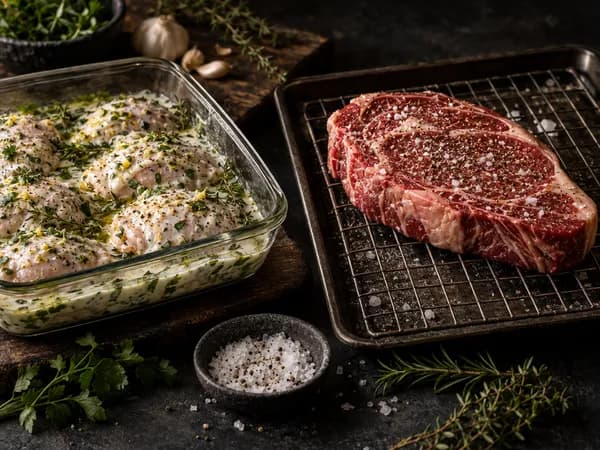
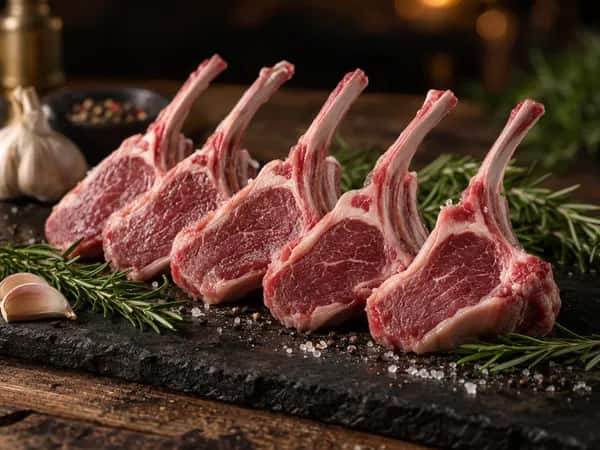
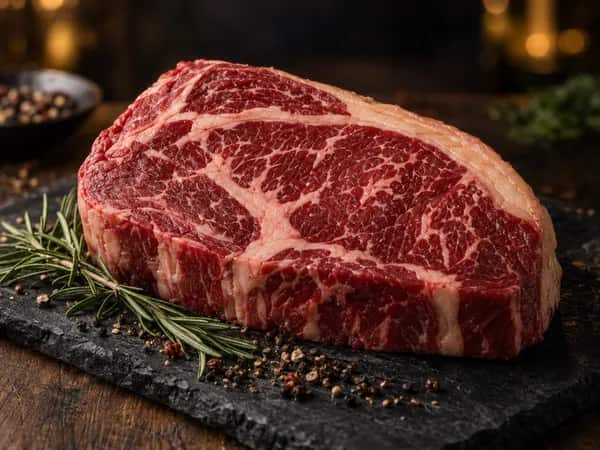
- Steaks and chops: about 5 minutes, or at least half the time they cooked.
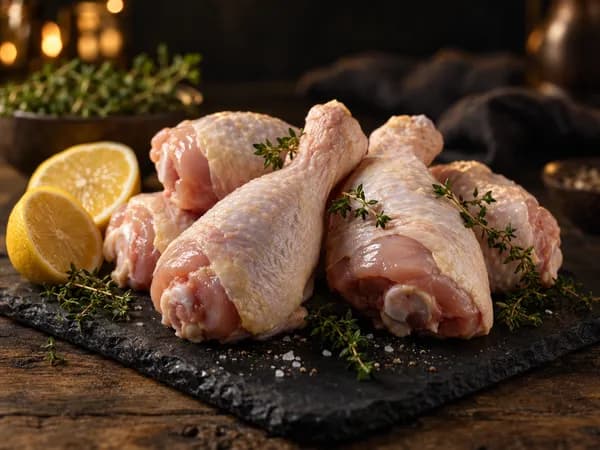
- Chicken pieces: about 5 minutes.
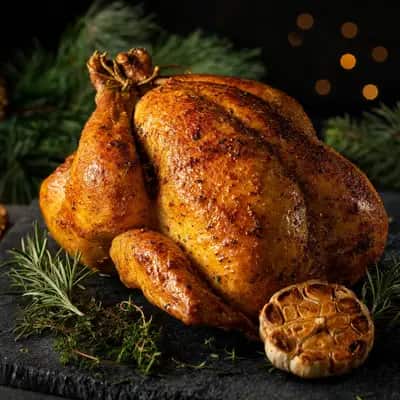
- A whole chicken: 10 to 15 minutes.
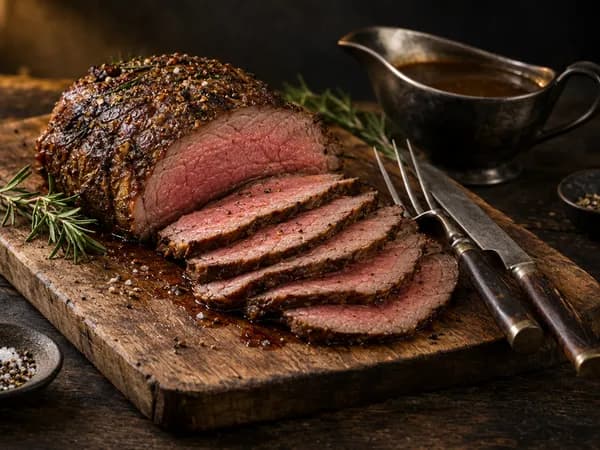
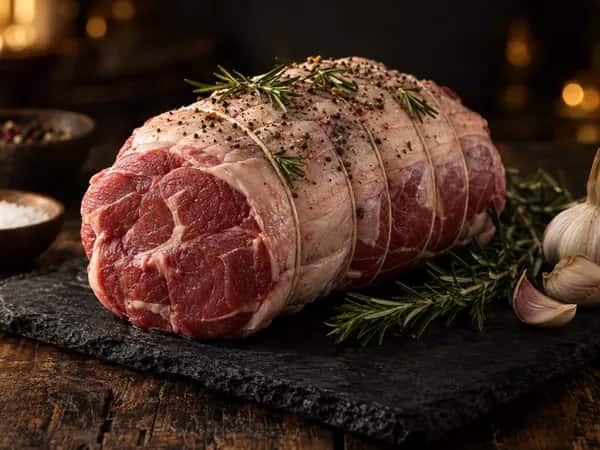
- Roasts of beef, lamb or pork: 15 to 20 minutes.
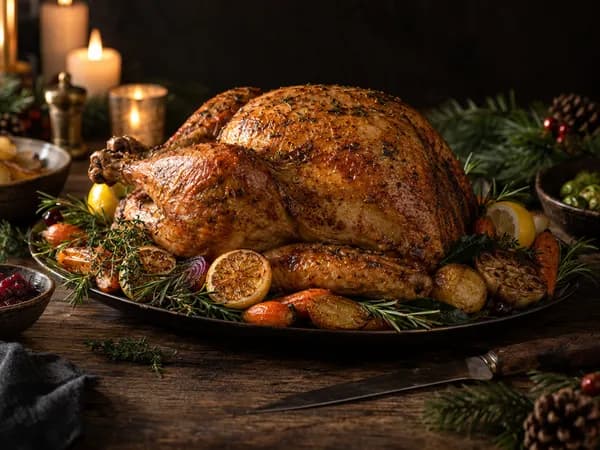
- A turkey or a large leg of lamb: 20 to 30 minutes.
- Slow-cooked brisket or pork shoulder: 30 minutes to an hour, wrapped.
A big roast will not go cold in that time. It holds its heat far longer than most people expect, which also frees up the oven for the potatoes.
How to Rest Meat
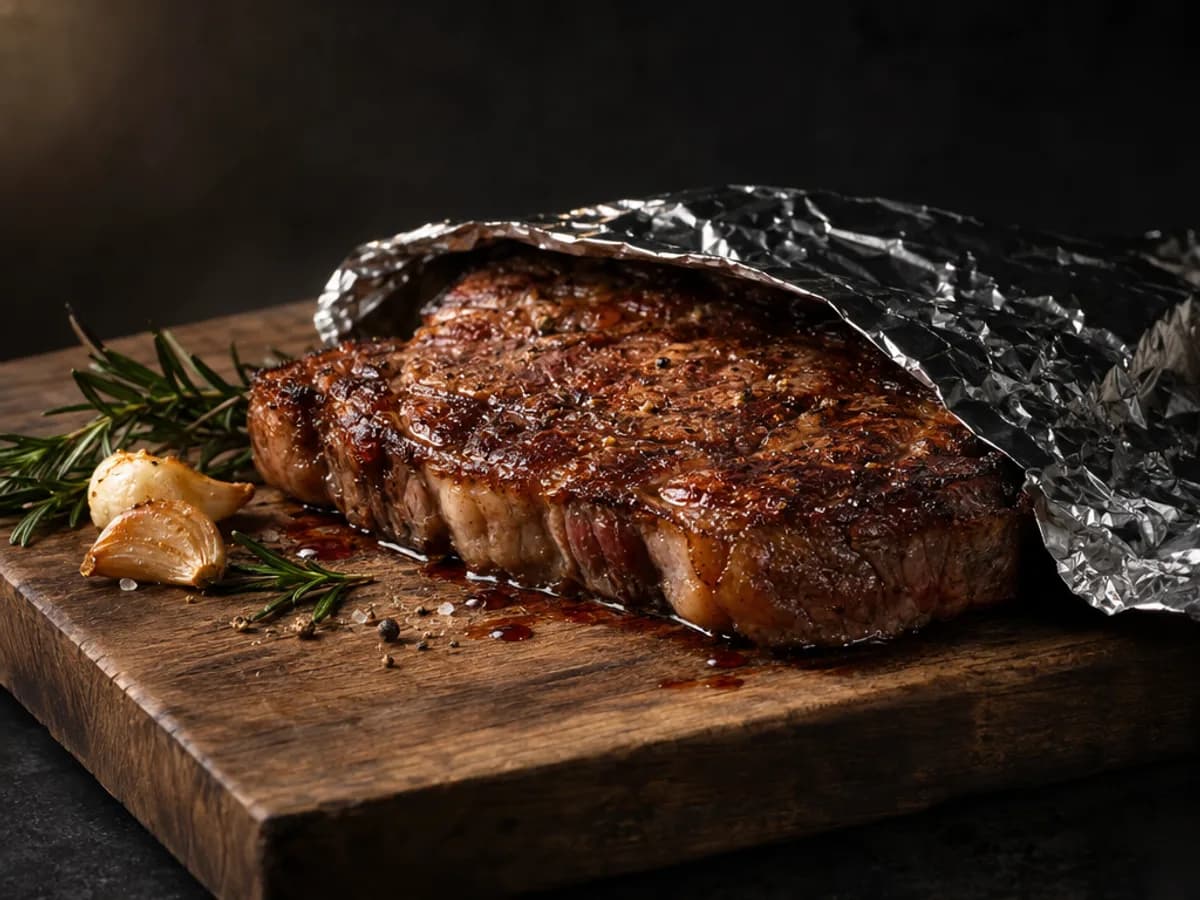
Move the meat to a warm board or plate. Cover it loosely with foil, like a tent, rather than wrapping it tightly. A tight wrap traps steam, and steam softens the crust you worked to build. For crackling or crisp chicken skin, leave it uncovered altogether.
Rest steaks on a small rack if you have one, so the underside does not sit in its own juice and go soggy.
Do Not Waste the Juices
Whatever collects on the board is pure flavour. Pour it back over the sliced meat, or stir it into your gravy or pan sauce.
The Exception
Thin cuts like minute steaks and stir-fry strips need little more than a moment, and meat served in a sauce or stew does its resting in the pot. For almost everything else, a short rest is the difference between good and great.
Not sure how long your cut needs? Ask at the counter and we'll talk you through it.