How to Freeze and Thaw Meat Safely
By The Dublin Butcher · · 3 min read
 Illustration
Buying in bulk, stocking up before a busy week, or saving half a roast for later: the freezer is a great friend to anyone who cooks meat. Done well, freezing keeps meat almost as good as fresh. Done badly, you get freezer burn, grey patches and a watery steak.
Freeze It Fresh
Freeze meat as soon as you can after buying it, ideally the same day. Freezing does not improve meat or kill bacteria. It simply pauses things, so the fresher it goes in, the better it comes out.
Wrap It Well
Air is what causes freezer burn, those dry, pale patches on the surface. To keep it out:
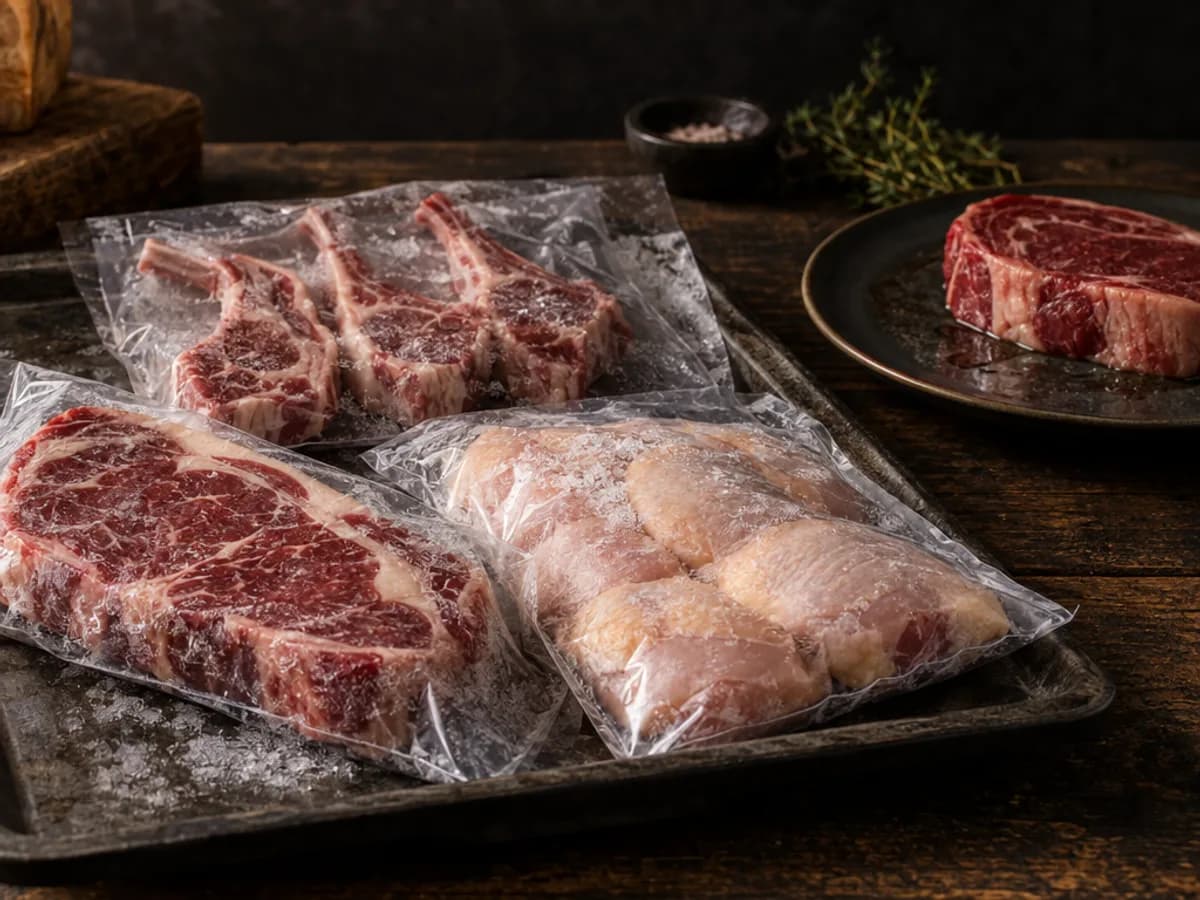
- Wrap meat tightly in freezer bags or plastic wrap, then a second layer of foil or a bag.
- Squeeze out as much air as you can before sealing.
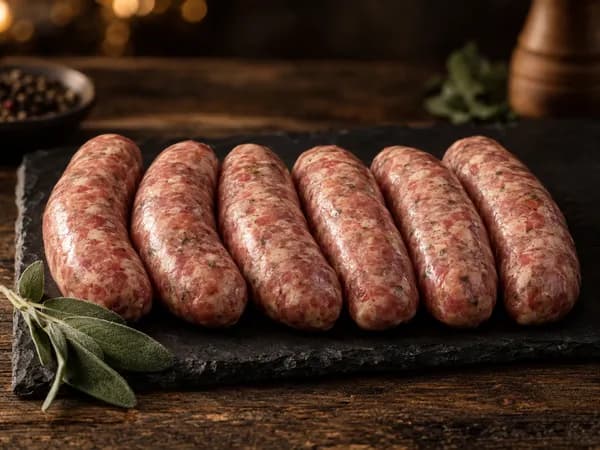
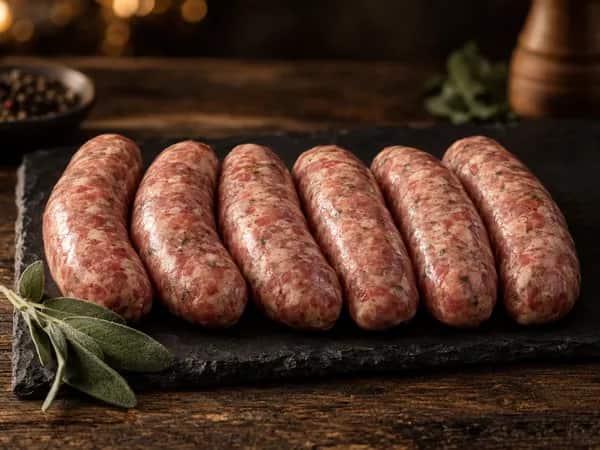
- Freeze steaks, chops, sausages and chicken pieces in single layers, flat, in portion sizes you will actually use. Flat packs freeze faster and thaw faster.
- Label every pack with what it is and the date.
Keep the Freezer Cold
Your freezer should be at -18°C or colder. Do not overload it with lots of room-temperature food at once, as it slows down freezing for everything.
How Long Does It Keep?
Frozen meat stays safe indefinitely at -18°C, but the quality slowly drops. For the best eating, use:
- Steaks, chops and roasts: within 6 to 12 months.
- Chicken pieces: within 6 to 9 months.
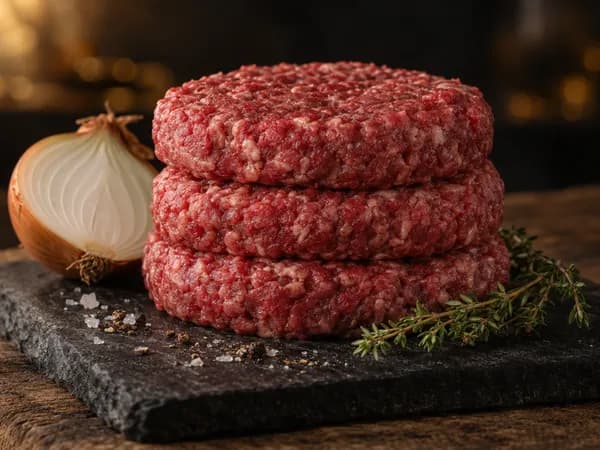
- Mince and sausages: within 2 to 3 months.
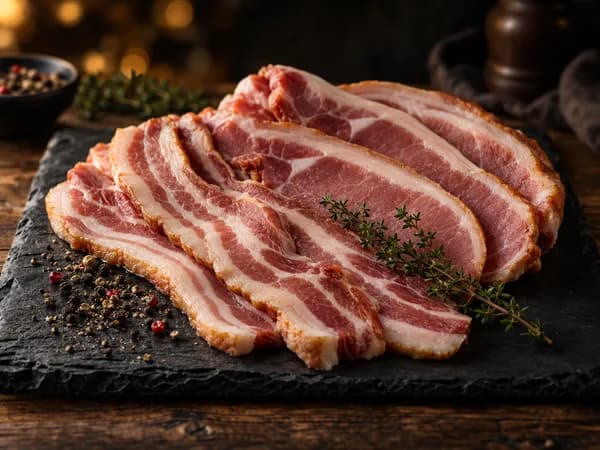
- Bacon and ham: within 1 to 2 months.
- Cooked meat, stews and casseroles: within 2 to 3 months.
Thaw It in the Fridge
The safest way to thaw meat is slowly, in the fridge, at 5°C or below. Put it on a plate or in a container on the bottom shelf, so no juices drip onto other food.
- Steaks, chops and mince: overnight.
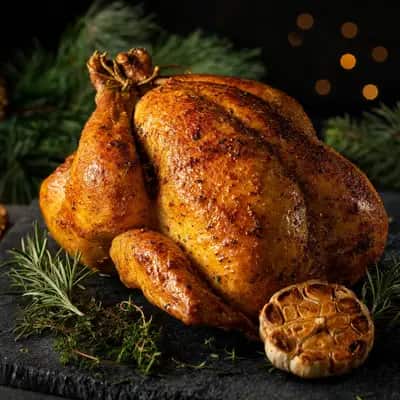
- Small roasts and whole chickens: about 24 hours.
- Large roasts and turkeys: allow about 24 hours for every 2 to 2.5kg.
In a Hurry
Sealed in a leak-proof bag, meat can be thawed in a sink of cold water. Change the water every 30 minutes and cook the meat as soon as it has thawed. A microwave on the defrost setting also works, but cook the meat straight away, as parts of it may have started to cook.
Never thaw meat on the kitchen bench or in warm water. The outside sits in the temperature range where bacteria grow fast while the centre is still frozen.
Can You Refreeze It?
- Raw meat that was thawed in the fridge can be refrozen, although the texture may suffer a little.
- Meat thawed in cold water or the microwave should be cooked before freezing again.
- Raw meat that was frozen, thawed and then cooked can be frozen once cooked.
Cooking From Frozen
Thin steaks, chops and sausages can be cooked from frozen. They take about half as long again. Do not cook large roasts or whole chickens from frozen, as the outside will overcook before the centre is safe, and never put frozen meat straight into a slow cooker.
Planning to fill the freezer? Ask at the counter and we'll portion and pack your order to suit.