The Full Irish Breakfast Explained
By The Dublin Butcher · · 3 min read
 Illustration
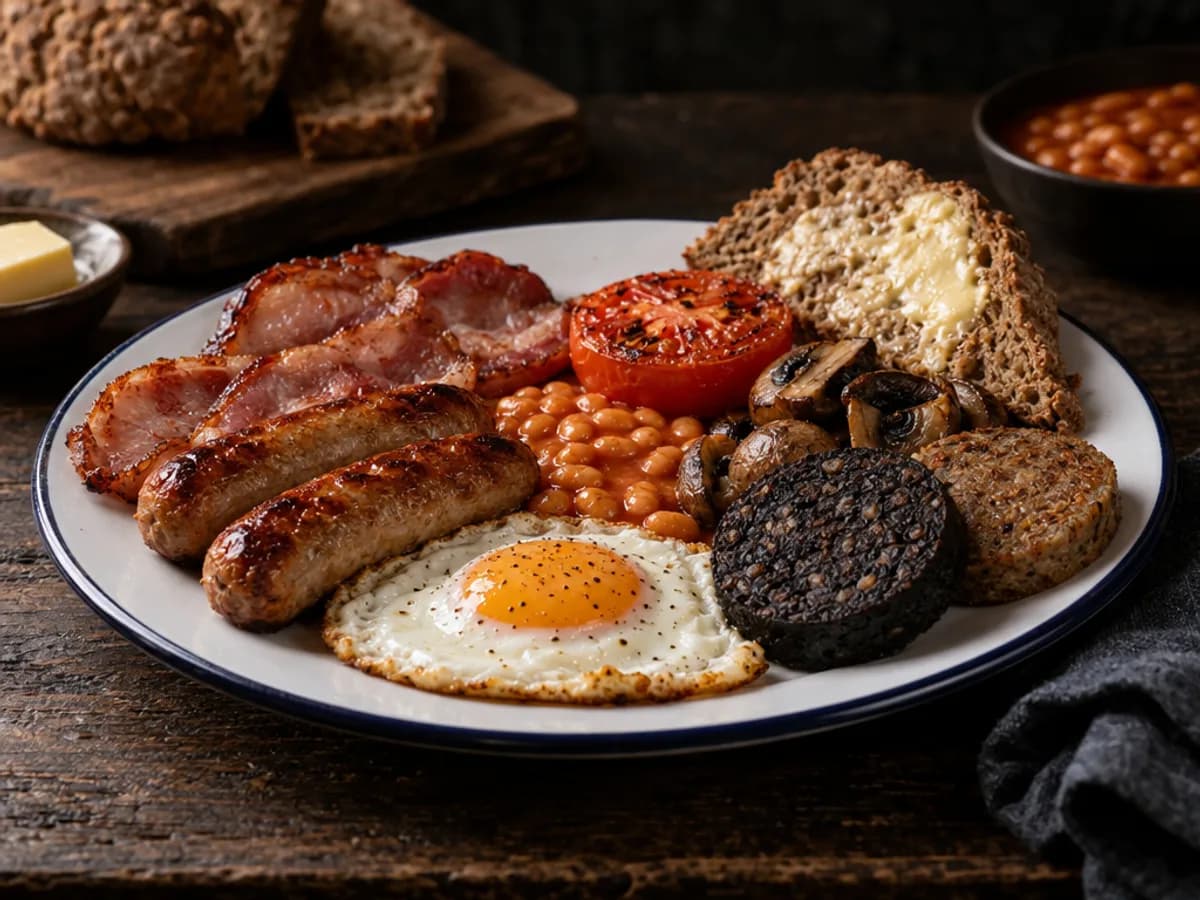
With a name like ours, we could hardly leave this one out. The full Irish is a weekend breakfast built for a long day, and every part of it has a reason to be on the plate.
Rashers
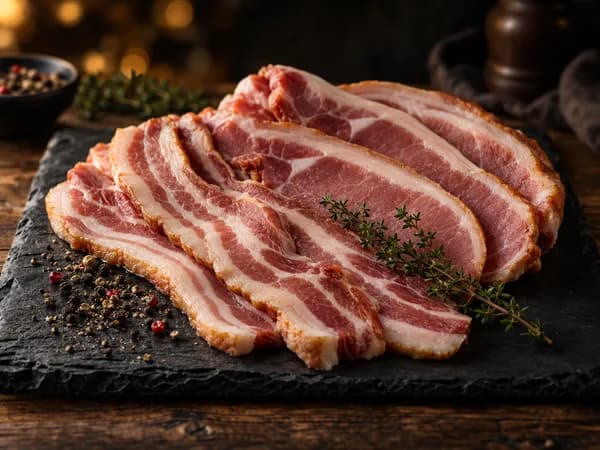
Irish rashers are back bacon. They are cut from the loin, with a round eye of lean meat and a tail of streaky belly attached, so you get meaty and crisp in the same slice. They are thicker and leaner than the streaky bacon many Australians grew up with. Fry them in a little oil or butter until the fat turns golden but the eye is still juicy.
Sausages
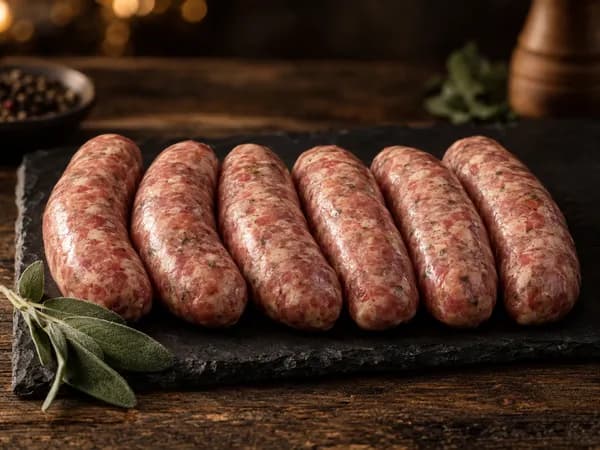
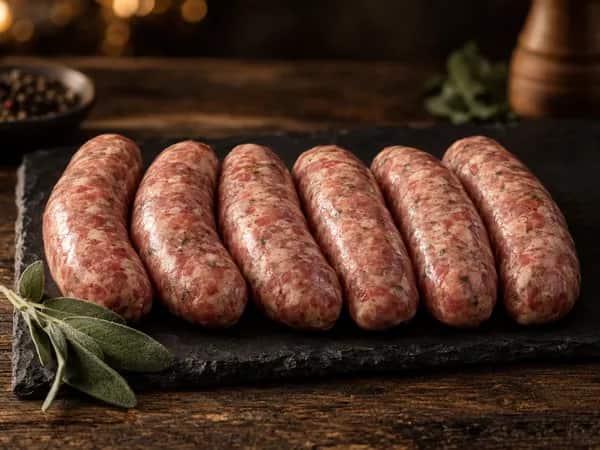
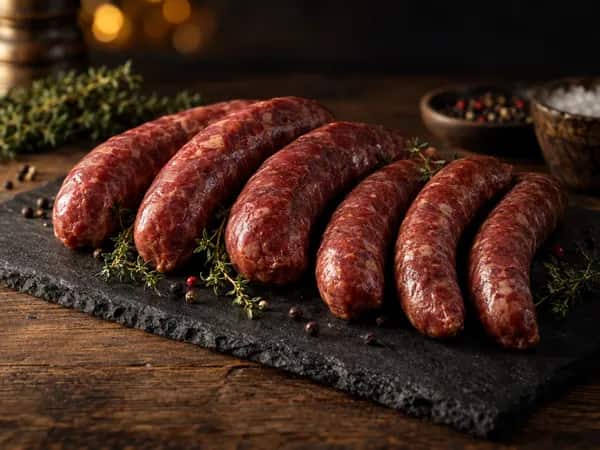
Irish breakfast sausages are pork sausages, usually fine-textured and gently seasoned with white pepper, nutmeg or herbs, with rusk or breadcrumb that keeps them soft. Cook them first and slowly, as they take the longest.
Black Pudding
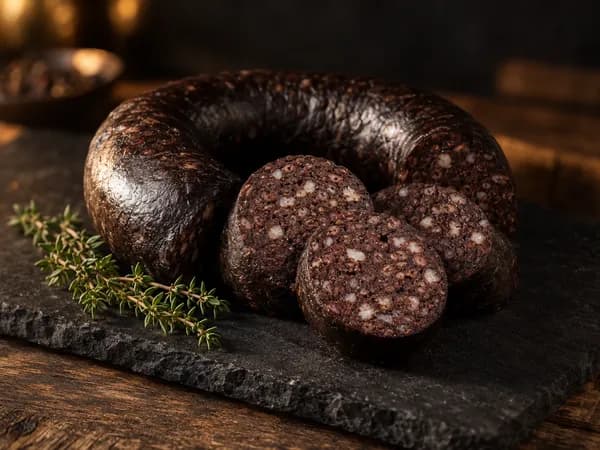
Black pudding is a blood sausage. It is made from pork blood and fat with oatmeal or barley, onion and spices, which gives it a dark colour, a crumbly texture and a rich, savoury, slightly peppery flavour. Slice it about 1cm thick and fry for 2 to 3 minutes a side until crisp at the edges. Most black pudding is sold already cooked, so you are crisping and warming it through.
White Pudding
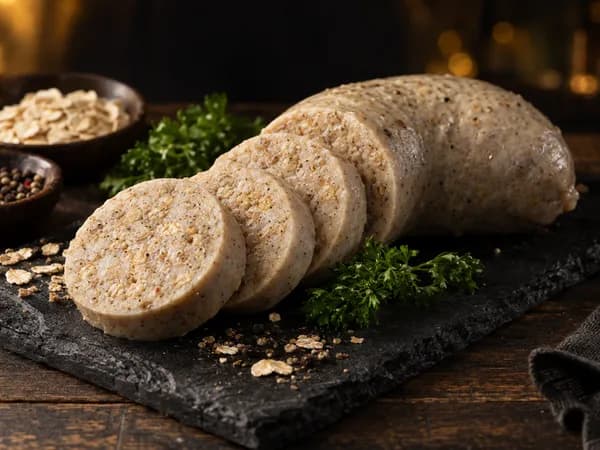
White pudding is black pudding's milder cousin: pork meat and fat with oatmeal and spices, but no blood. It is soft and peppery, like a cross between a sausage and stuffing. Cook it the same way as black pudding.
The Rest of the Plate
A fried egg, half a grilled tomato and some mushrooms cooked in the pan juices. Baked beans are optional and fiercely debated. Brown soda bread with plenty of butter is not optional, and neither is a strong cup of tea.
How to Cook It All in One Pan
The trick is timing, so everything is hot at the same moment:
- Start the sausages over medium-low heat with a little oil. Turn them often. They need 15 to 20 minutes.
- After 10 minutes, push them to one side and add the rashers.
- Add the sliced puddings, the mushrooms and the halved tomatoes cut side down.
- Keep everything warm in a low oven as it finishes.
- Fry the eggs last, in the fat left in the pan.
Sausages must be cooked through to 75°C in the centre, so give them the time they need. Our guide to cooking sausages without splitting them has more on that.
The Ulster Fry and Other Cousins
Across the border, an Ulster fry adds potato farls and soda bread fried in the pan. Every family has its own rules. The only real one is that nobody leaves hungry.
Planning a big breakfast? Ask at the counter about rashers and sausages for the pan.