Budget Cuts That Cook Beautifully
By The Dublin Butcher · · 3 min read
 Illustration
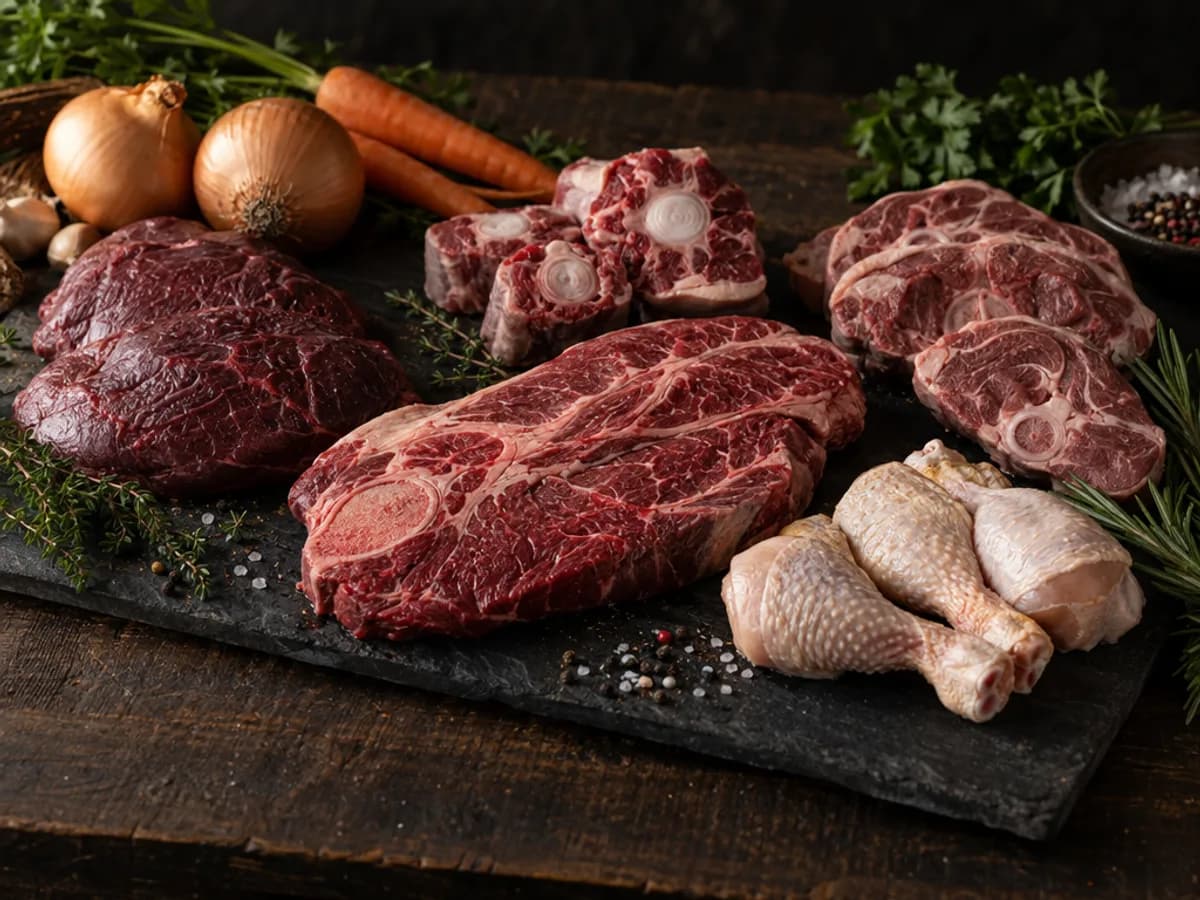
The most expensive cuts are the tender ones, and there are only so many of them on any animal. The rest of the animal is where a lot of the real flavour lives. These are the cuts that cost less per kilo than the prime steaks, and that butchers often take home themselves.
Beef
Chuck
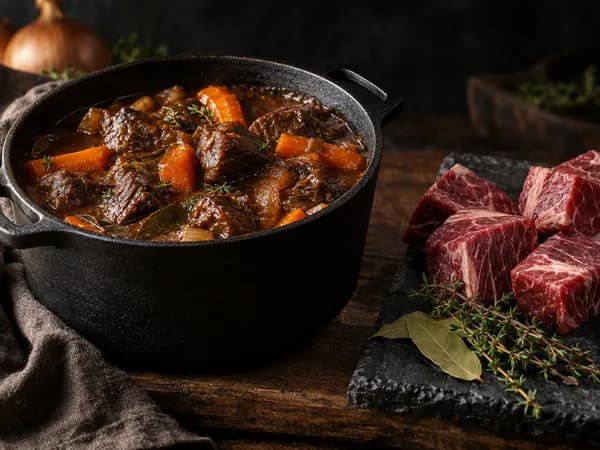
The classic stewing cut from the shoulder. Brown it well and braise it for 2½ to 3 hours for a rich, silky stew. Read more in our chuck steak guide.
Beef cheeks
Hard-working and full of connective tissue. Braised for 3 to 4 hours, they turn soft enough to cut with a spoon, with a glossy sauce to match.
Oxtail
Bony, but the bones give a braise incredible body. Perfect for a rich stew or a ragu over pasta.
Shin and osso buco
Cross-cut shin with the marrow bone in the middle. Braise it slowly with tomato and wine, and spread the marrow on toast.
Skirt and flank
Full of flavour and quick to cook. Marinate, sear hot and fast to medium-rare, and slice thinly across the grain. Great for tacos, steak sandwiches and stir-fries.
Oyster blade and flat iron
From the shoulder blade. Flat iron is cut either side of a central line of gristle and makes a surprisingly tender, well-marbled steak.
Lamb
Lamb neck
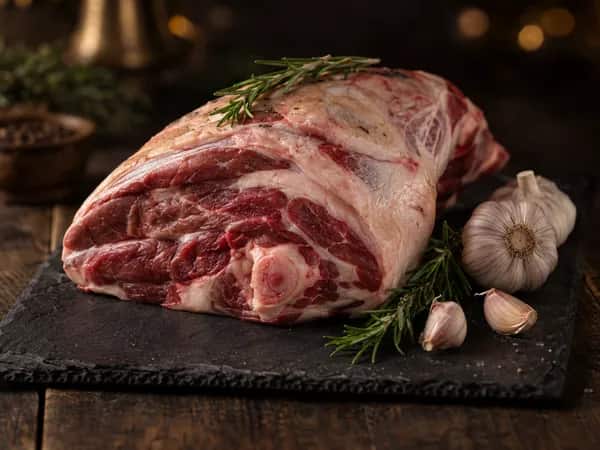
Rich, sweet and perfect for slow cooking. Neck chops or neck fillets make an excellent Irish stew.
Shoulder chops
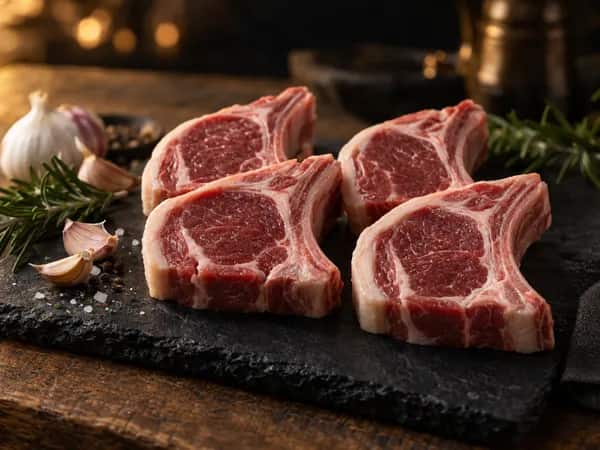
More flavour than loin chops for a fraction of the fuss. Grill them to medium, or braise them.
Lamb breast or flap
Fatty and full of flavour. Slow roast it until tender, then crisp it up under the grill.
Shanks
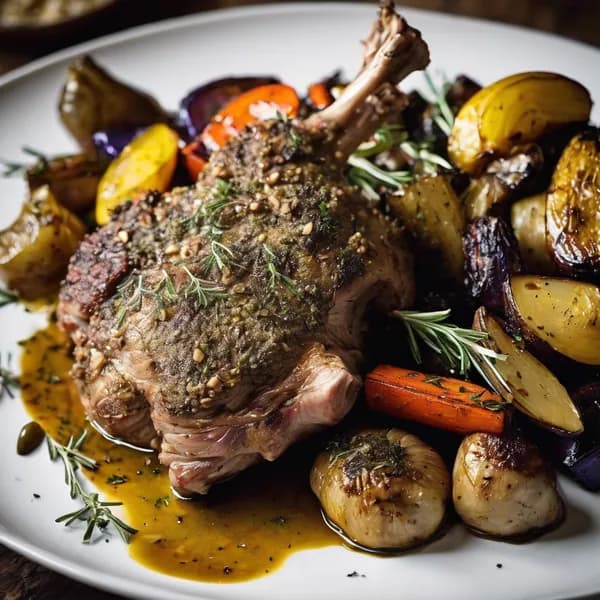
One per person, braised until falling off the bone. See how to braise lamb shanks.
Pork
Pork shoulder
Pulled pork, slow roasts and stews. One of the best value cuts there is.
Pork neck, or pork scotch fillet
Well marbled and juicy. Cut into thick steaks for the barbecue, or roast it whole.
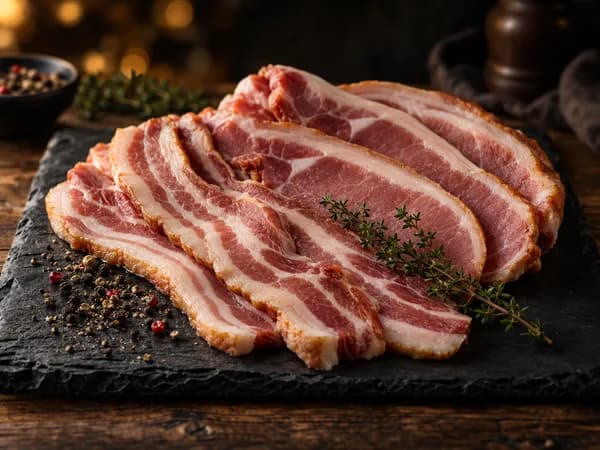
Pork belly
Rich, versatile, and the source of the best crackling.
Chicken
Thighs, drumsticks and wings
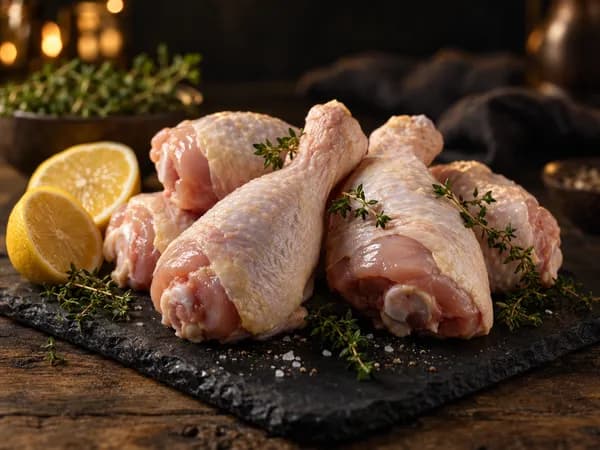
More flavour than breast, more forgiving, and lower in cost. Roast, grill or braise.
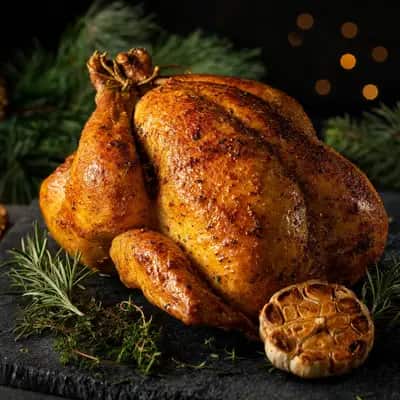
A whole chicken
Usually better value than buying the parts, and you get a carcass for stock. Learn to joint it and you are set.
The Secret to Cooking Them
Most of these cuts share one thing: they need time. Low heat, liquid and patience turn their connective tissue into gelatine, which gives you tender meat and a rich sauce. The rest, like skirt and flat iron, need the opposite: very hot and very quick, then sliced thinly.
Get those two methods right and you will eat beautifully without paying for the prime cuts. Browse the shop, or ask at the counter what's good for slow cooking this week.