Grass-Fed Beef: What It Is, Why It Matters, and How to Cook It
By The Dublin Butcher · · 2 min read
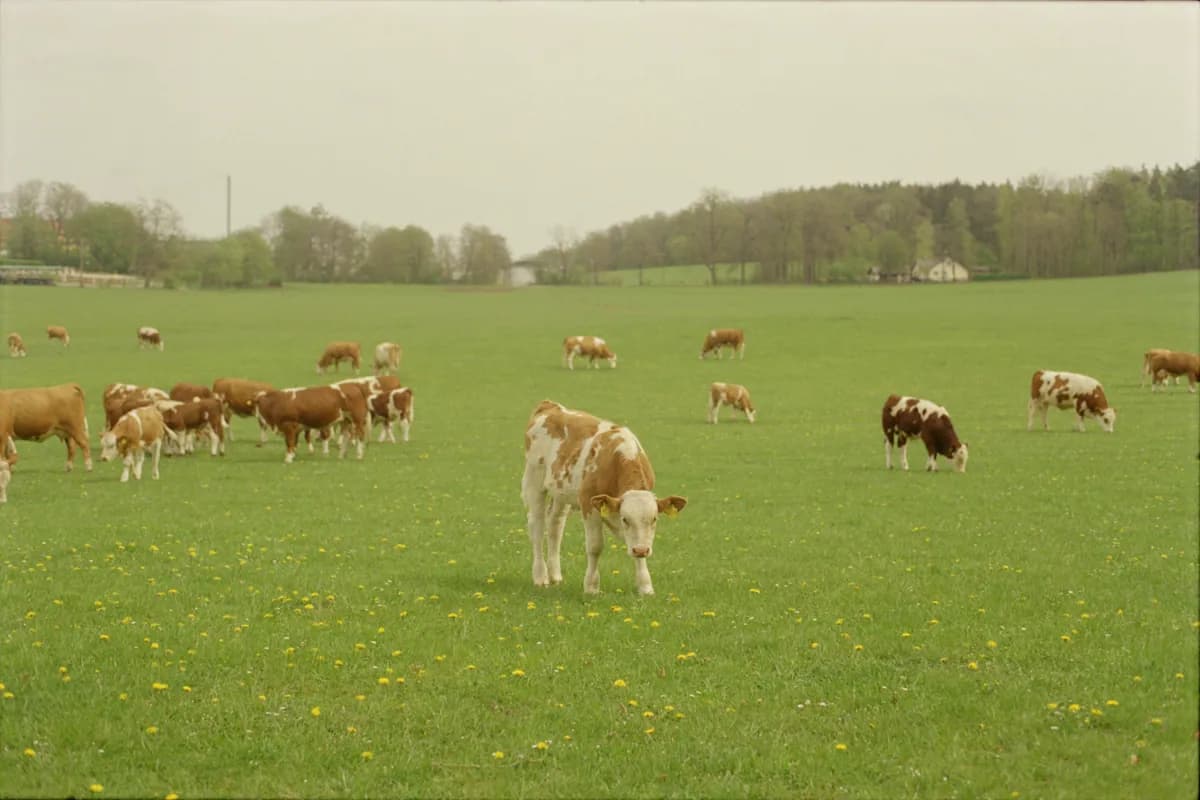
Grass-fed is one of the most common words on a beef label, and one of the least explained. Here is what it means, how it differs from grain-finished beef, and how to cook it well.
What Does Grass-Fed Actually Mean?
Grass-fed beef comes from cattle raised on pasture, eating grass and forage rather than being grain-finished in feedlots. In Australia, most beef is technically 'pasture-raised' at some point, but many animals are grain-finished for the last few months to increase weight quickly.
True grass-fed beef means the animal has spent its entire life on pasture. It takes longer, costs more, and requires more land, and many people find the flavour different from grain-finished beef.
Why Does It Taste Different?
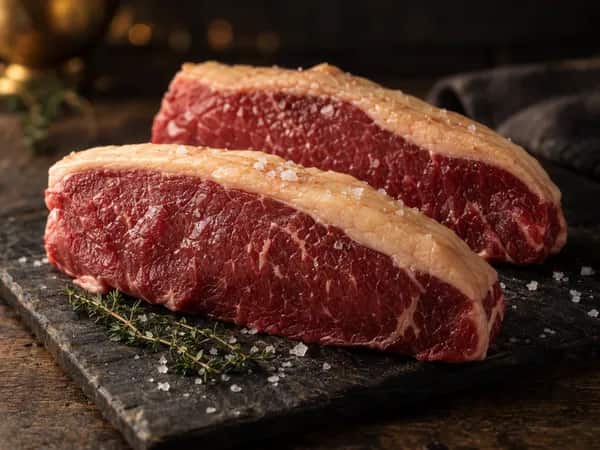
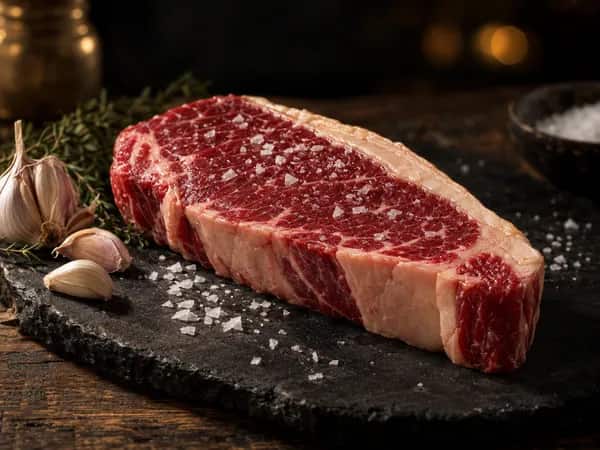
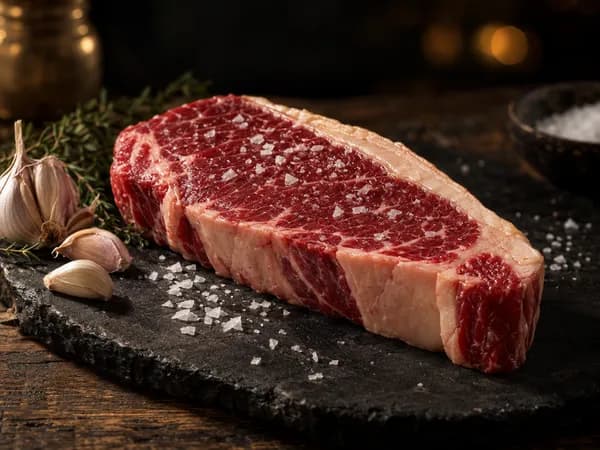
The flavour of beef is directly influenced by what the animal eats. Grass-fed beef is often described as having a more mineral-forward flavour. The fat is often yellower too, from the beta-carotene in grass.
Grain-finished beef tends to taste richer and sweeter. Neither is wrong: it comes down to what you like.
How to Cook Grass-Fed Beef
Grass-fed beef is typically leaner than grain-finished, which means it can cook a little faster and is more prone to drying out if overcooked. Cook it slightly less than you normally would: if you usually aim for medium, try medium-rare. Rest it properly after cooking. Use lower heat for longer cooking times to preserve moisture, and a little butter basting in the final minute does wonders.
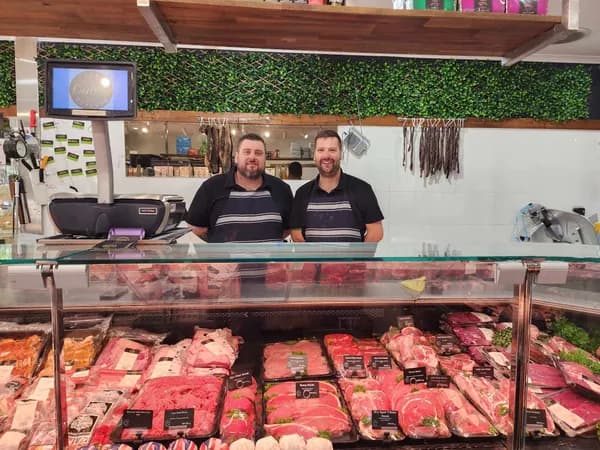
Ask at the Counter
If you want to know where a cut comes from and how it was raised, just ask our team. We'll tell you what we know and help you pick the right cut for what you're cooking.