What We Look for in Every Cut at the Counter
By The Dublin Butcher · · 3 min read
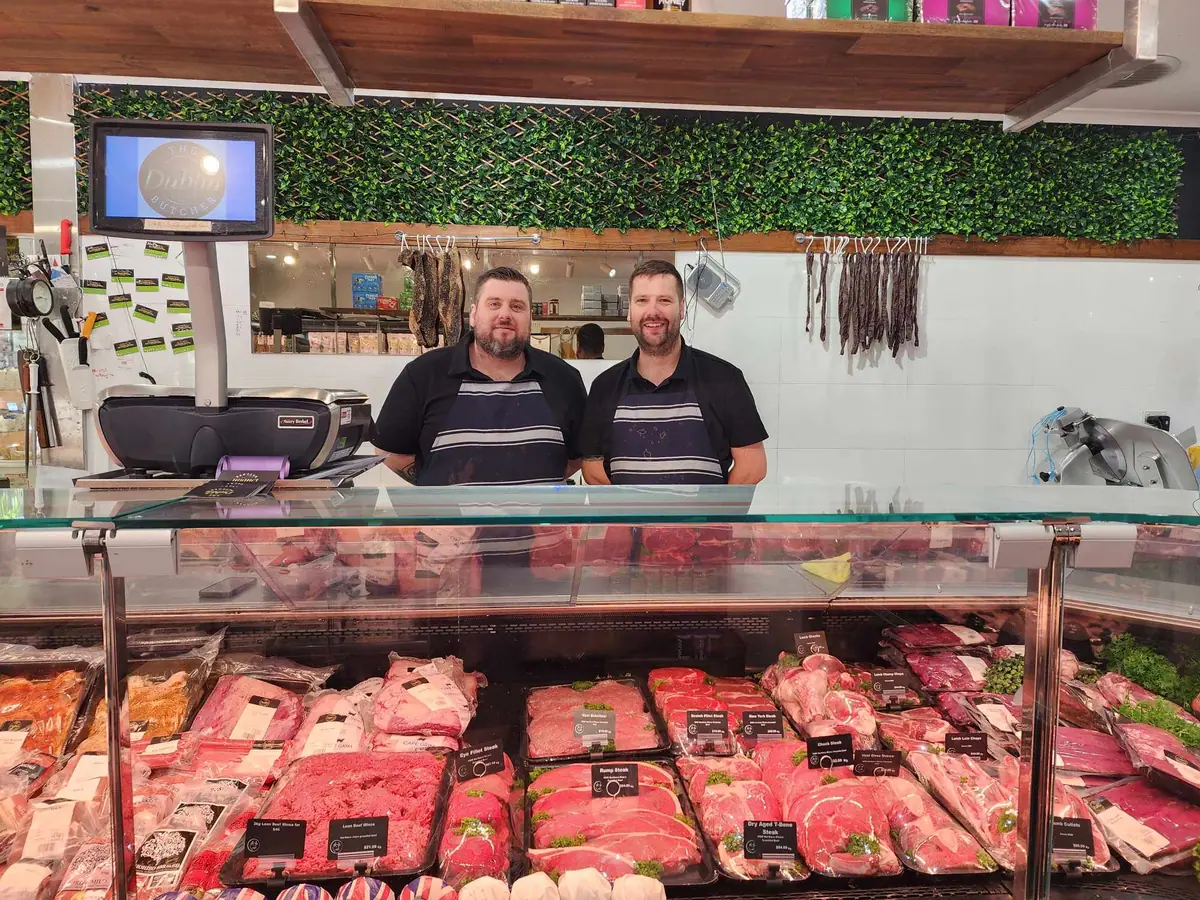
There is a moment, just after you walk into a butcher shop, when you know you are in the right place. The cabinet is full, the colours are right, and something looks different from the supermarket down the road. That difference is not accidental. It is the result of decisions made long before the meat ever reaches the glass.
At The Dublin Butcher, we spend a lot of time thinking about what we stock and why. Here is what actually goes through our minds when we are choosing what comes into the shop.
Colour Is the First Indicator
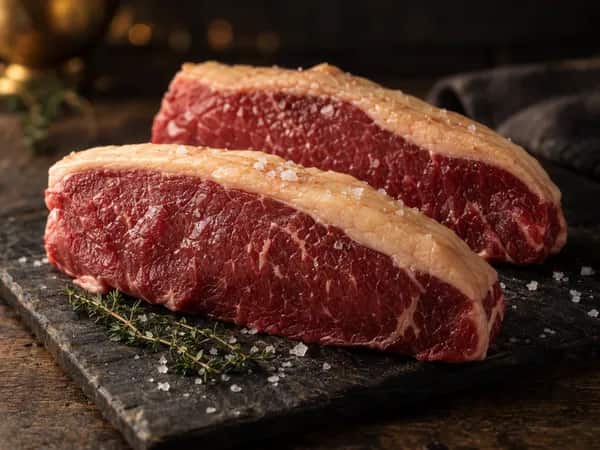
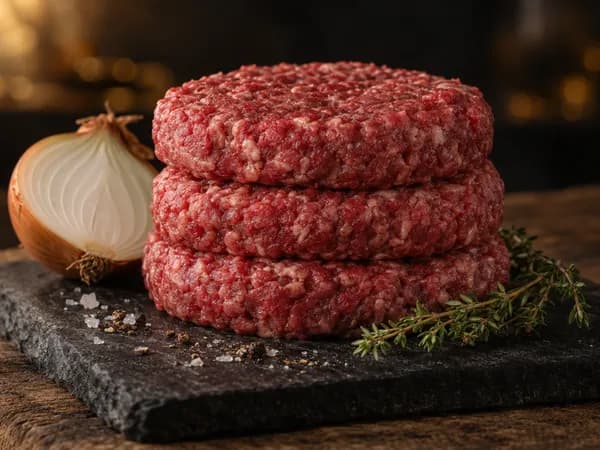
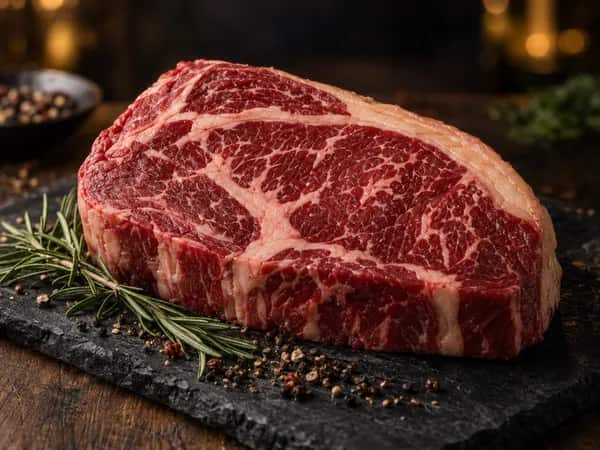
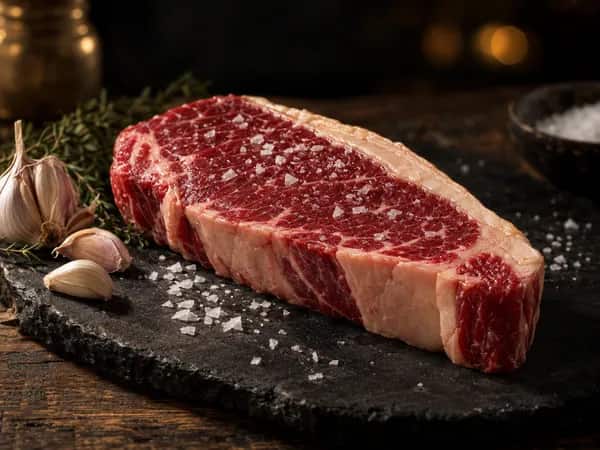
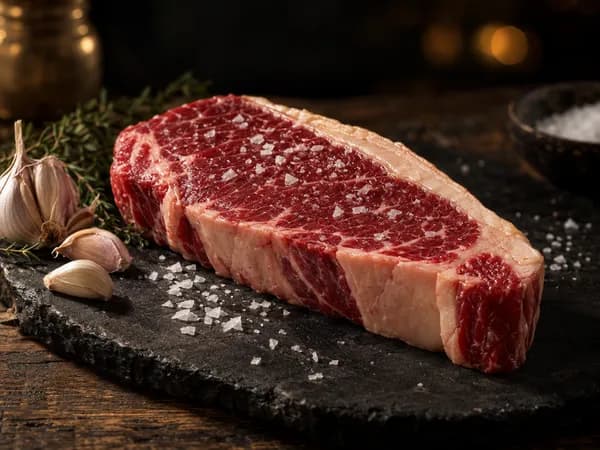
Fresh, high-quality beef should be a deep, rich red. Not bright red from artificial atmosphere packaging, and not brown from age. A vibrant, natural colour signals healthy animals, proper handling, and appropriate ageing. We refuse cuts that do not meet this standard.
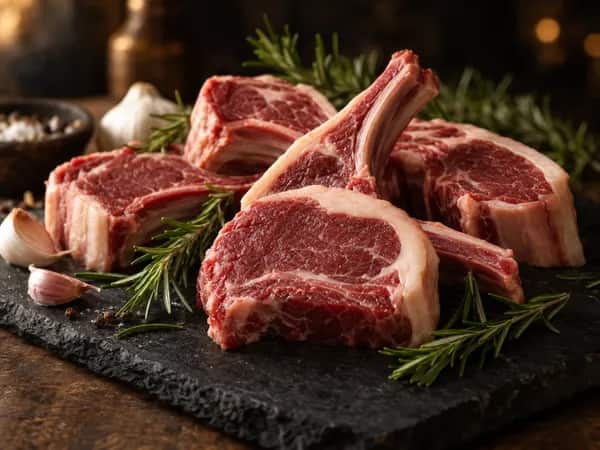
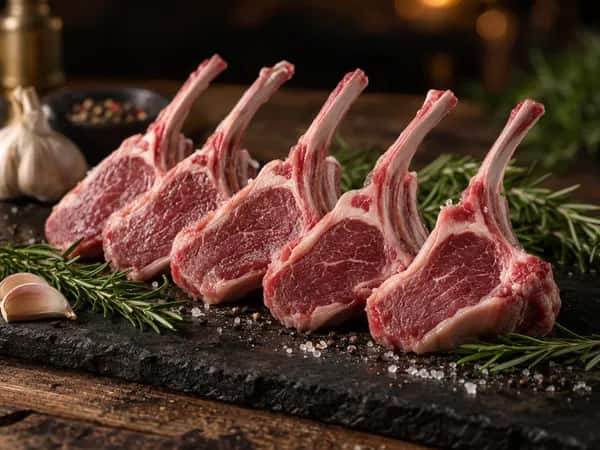
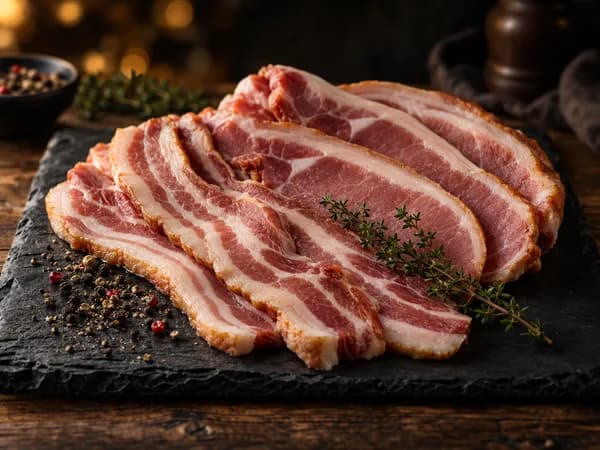
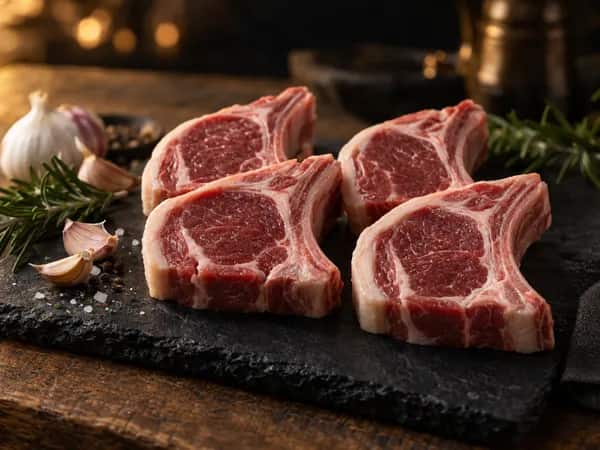
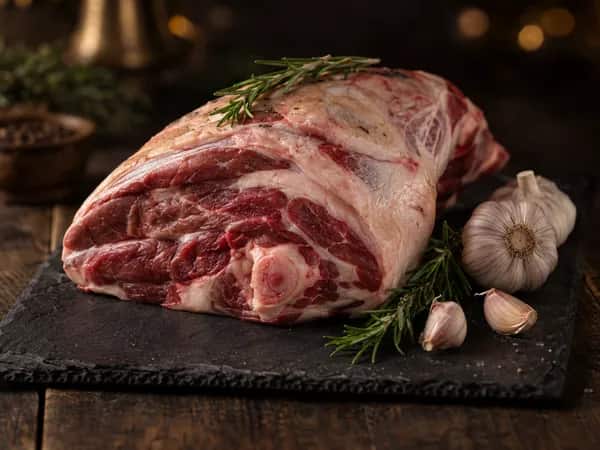
Lamb should be a consistent rose-pink to deeper red depending on the age of the animal. Pork should be pale pink with firm, white fat. If the fat is yellow or greasy, or the meat is wet and pale, the answer is no.
Fat Quality Matters as Much as Meat Quality
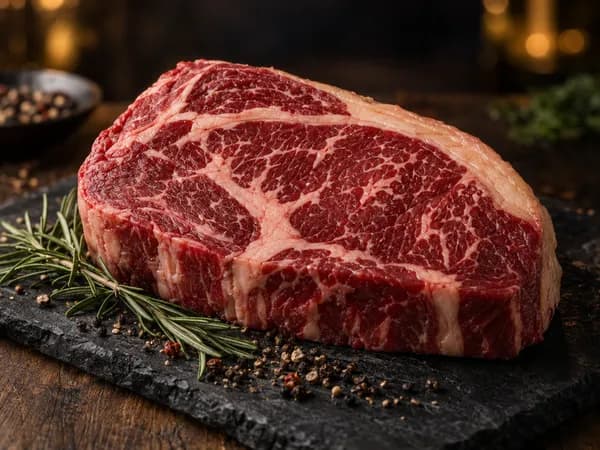
Fat is flavour. We look for fat that is firm, white or cream, and well distributed. In beef, we pay close attention to marbling: the fine threads of intramuscular fat that melt during cooking and carry flavour through every bite. A piece of beef with good marbling does not need much help from the cook.
Good fat also tells you something about how the animal was raised and fed, which is one more reason we look closely at it before anything goes in the cabinet.
How the Meat Was Handled
From the farm to our counter, how meat is handled at every stage matters enormously. Temperature, humidity, hygiene, and the care taken during butchering all affect the final product. We work with suppliers and processors we trust, and we do not compromise on this.
Resting and ageing meat properly is part of good handling too. It takes time and the right conditions, and it is one of the questions we are always happy to answer at the counter.
The Smell Test
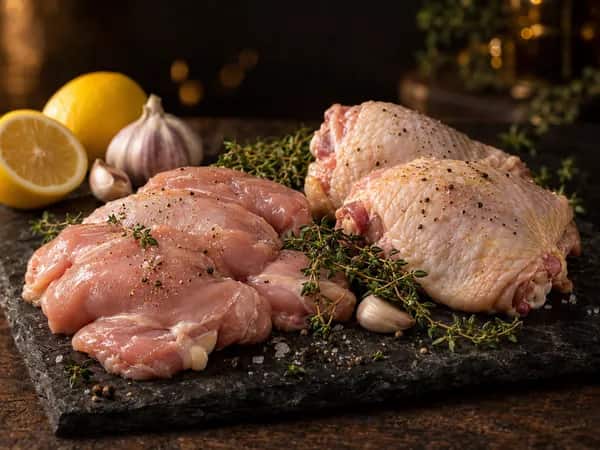
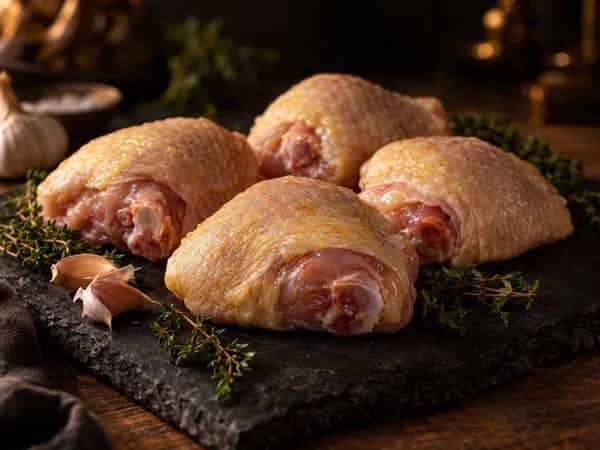
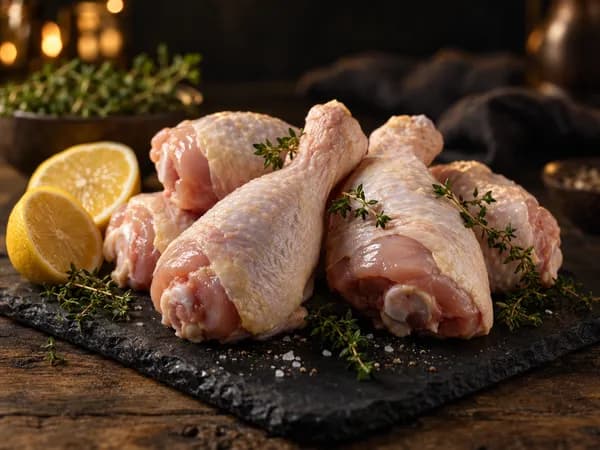
Fresh meat should smell clean: faintly iron-rich for beef, and neutral for pork and chicken. Any off note, anything sour or sharp, means the answer is no. This sounds simple, but it is one of the most reliable quality checks in the shop.
We Buy Less and Buy Better
One principle that guides everything we do is this: we would rather have a smaller range of excellent products than a wide range of mediocre ones. We have turned away suppliers who could not meet our standards, and we have maintained relationships with farmers for years because the quality they deliver is consistent.
When you pick up a piece of meat from our cabinet, you are picking up something we stood behind before you ever walked through the door. That is the job, and we take it seriously. If you want to know more about where a specific cut comes from or how it was raised, just ask. That is exactly what we are here for.