The Butcher's Guide to Cooking the Perfect Steak at Home
By The Dublin Butcher · · 2 min read
We get asked about steak more than anything else. And while cooking a great steak is genuinely simple, there are a handful of things that separate a good result from a great one. Here's everything we know.
Choose the Right Cut
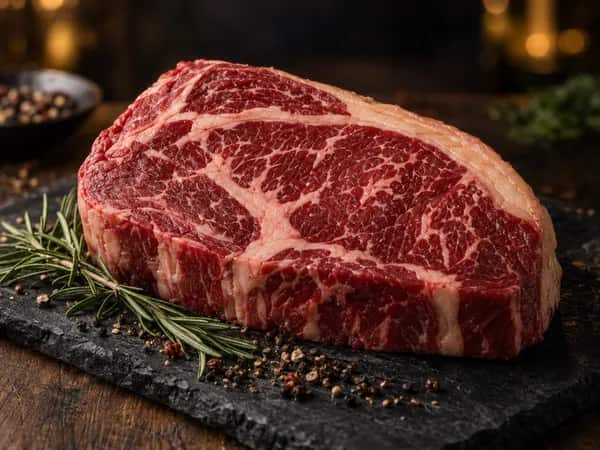
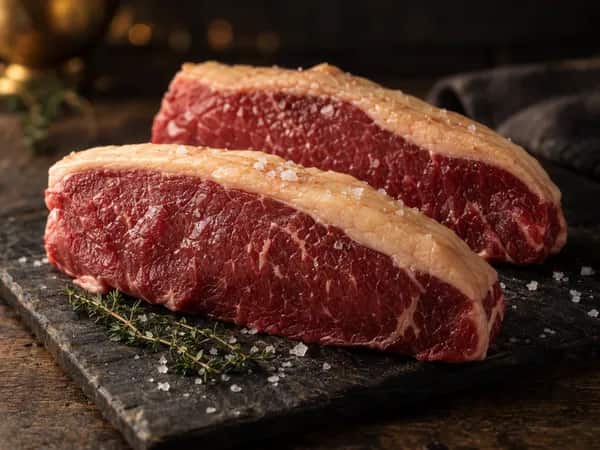
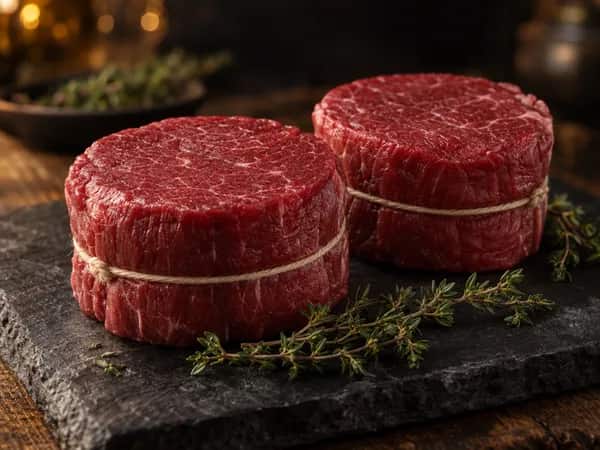
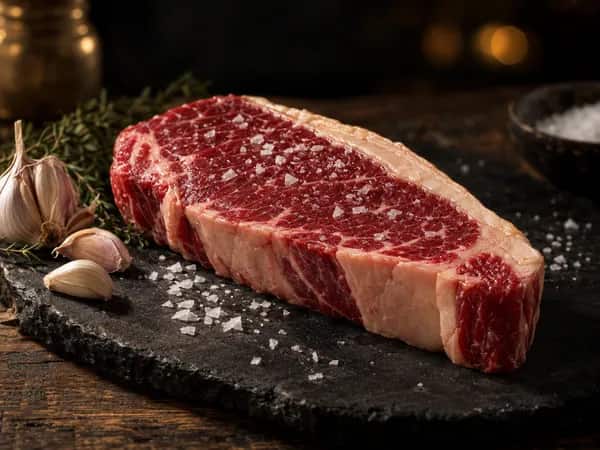
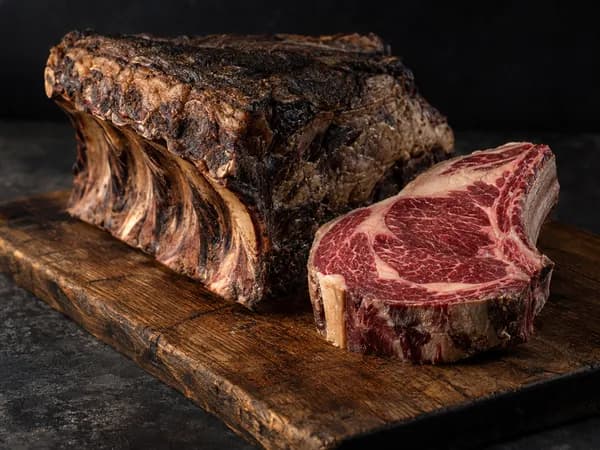
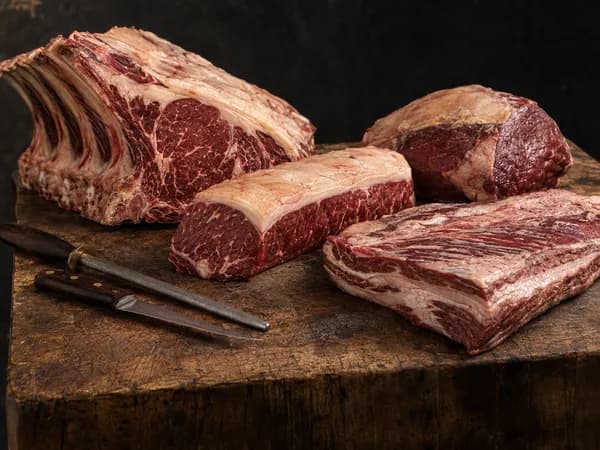
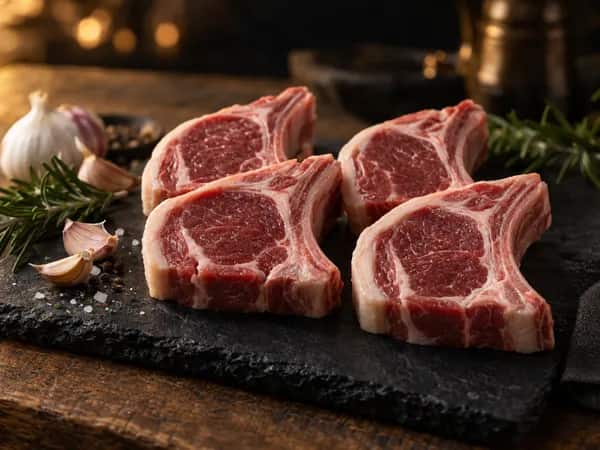
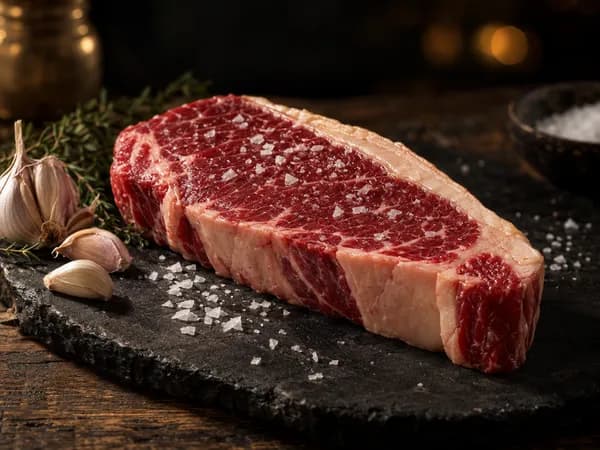
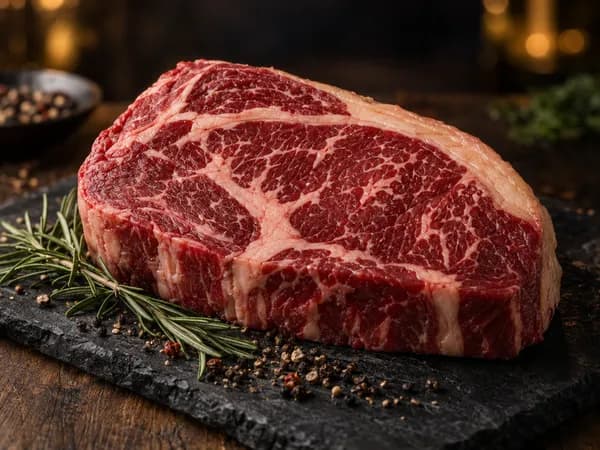
Different cuts suit different situations. The ribeye is richly marbled and deeply flavoursome, ideal for a big occasion. The sirloin has great flavour with a leaner profile and a satisfying chew. The eye fillet is the most tender cut, with a milder flavour. The rump has excellent flavour at a great price point; it just needs a little longer rest to relax.
For most people, most of the time, we recommend the ribeye. The marbling is what makes a steak extraordinary.
Preparation
Take your steak out of the fridge 30 to 45 minutes before cooking. Season generously with salt just before cooking, not earlier, as salt draws moisture out if left too long. Pat the surface dry with paper towel for maximum crust development.
Cooking
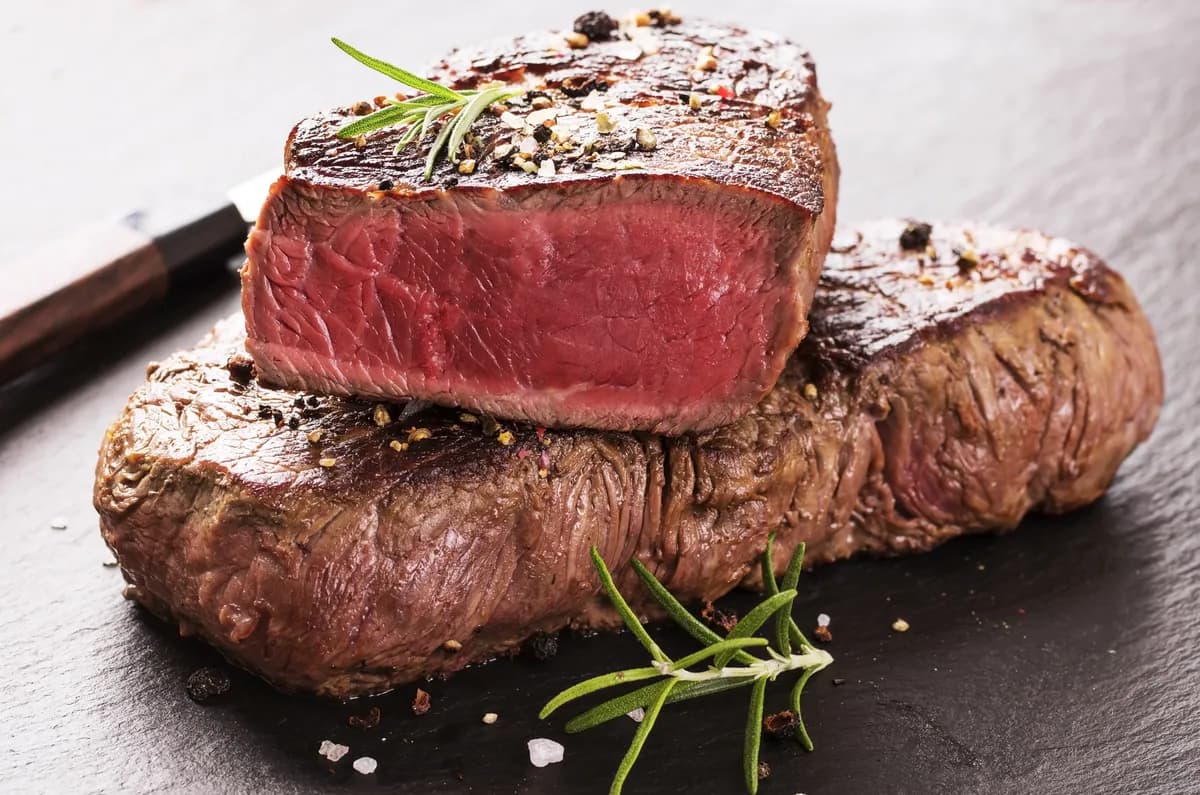
Get your pan, ideally cast iron, screaming hot before the steak goes in. Add a neutral oil with a high smoke point. Place the steak in and don't move it. Let it develop a crust for two to three minutes, then turn once. In the last minute, add a generous knob of butter, a crushed garlic clove, and a sprig of thyme, and baste continuously.
For a 2.5cm ribeye: two to three minutes each side for medium rare. Use a thermometer if unsure: 52 to 55°C for medium rare, 60°C for medium.
The Rest
Rest your steak for at least half the time it cooked. A three-minute steak needs at least 90 seconds of rest, loosely tented with foil in a warm spot. This step is non-negotiable. A rested steak is a fundamentally different experience from one cut immediately.
Come and see us. Tell us what occasion you're cooking for and we'll put the perfect steak in your hands.