Meat Thermometer Temperatures: A Butcher's Cheat Sheet
By The Dublin Butcher · · 3 min read
 Illustration
Poking, pressing and cutting into meat to see if it is done all work some of the time. A digital probe thermometer works every time. It is the cheapest way to cook more confidently, and the safest.
Beef and Lamb: Steaks, Chops and Roasts
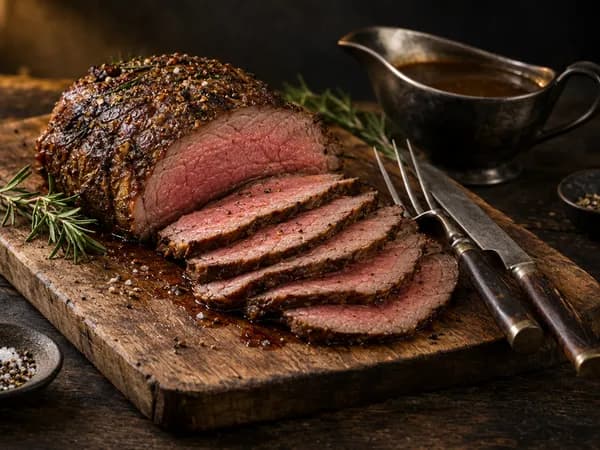
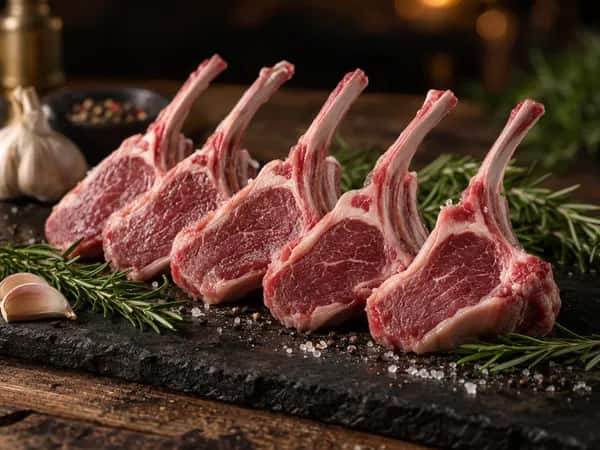
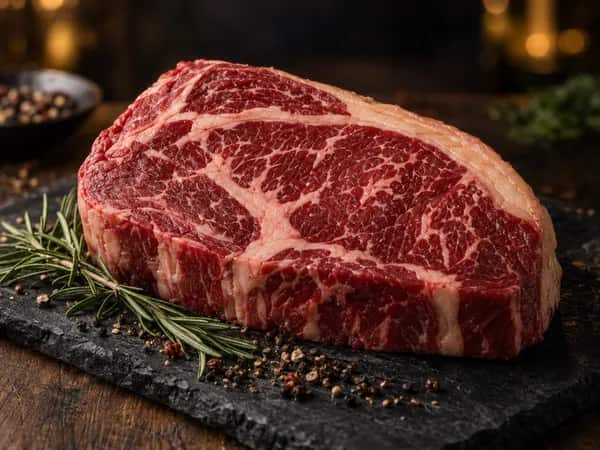
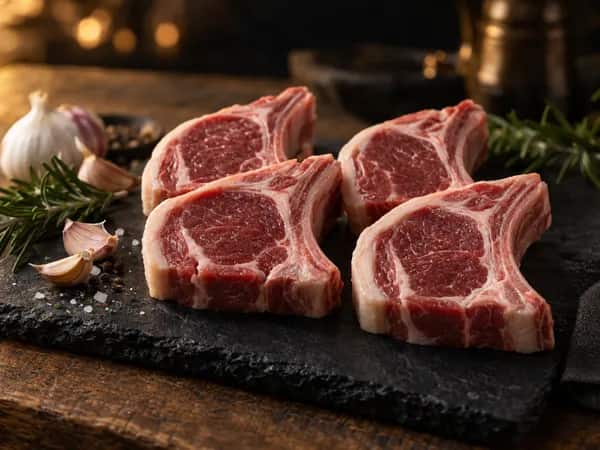
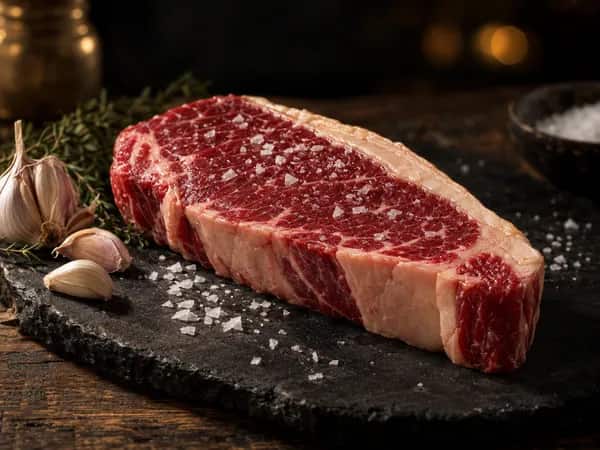
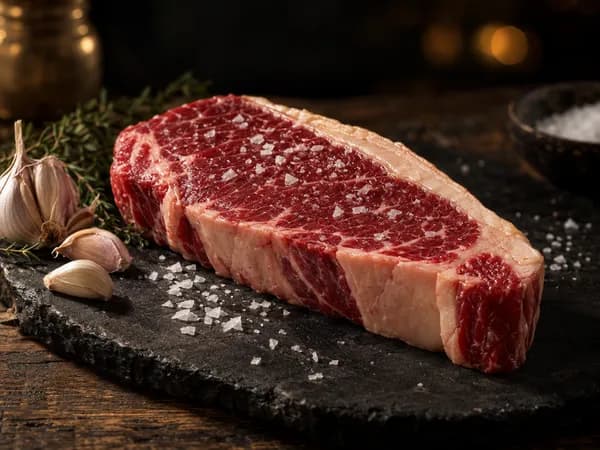
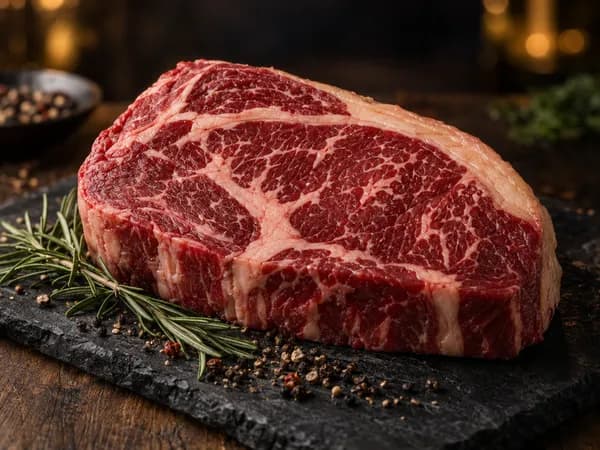
Whole cuts of beef and lamb can be served pink, because any bacteria sit on the outside surface, which gets plenty hot. Measure in the centre:
- Rare: about 50°C
- Medium-rare: 52 to 55°C
- Medium: about 60°C
- Medium-well: about 65°C
- Well done: 70°C and over
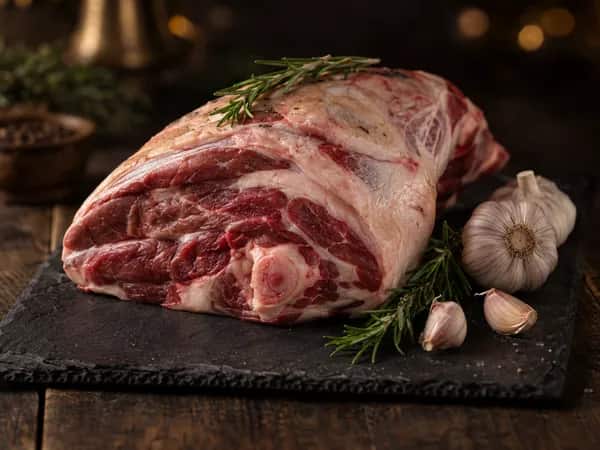
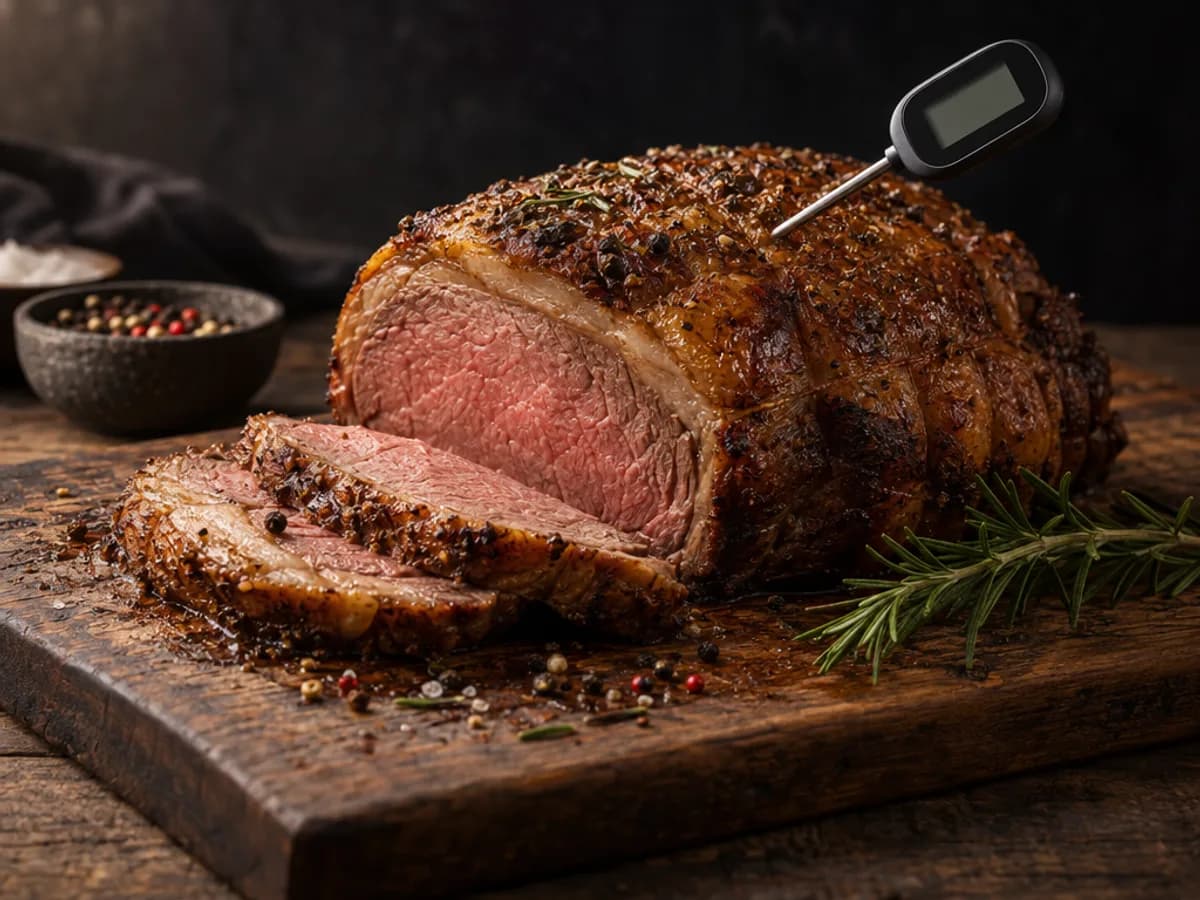
For roasts, take the meat out of the oven 3 to 5°C before your target. It will keep climbing while it rests.
Pork
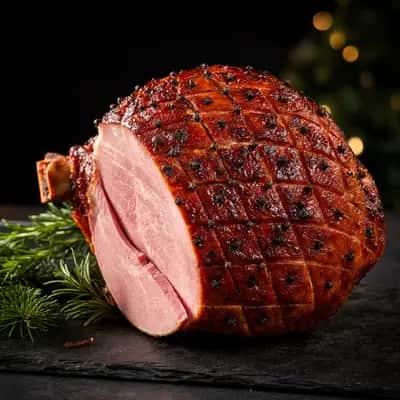
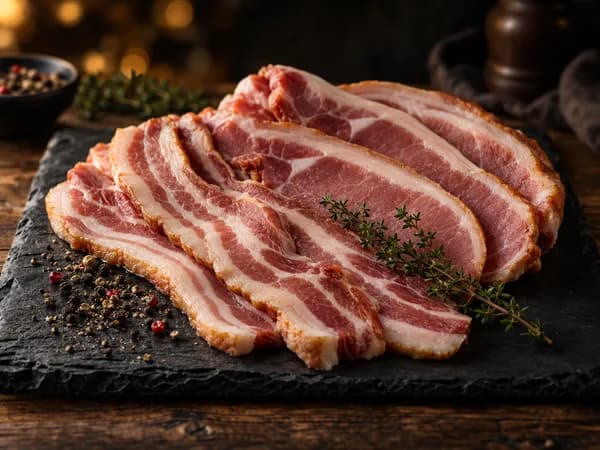
Pork chops, loin and roasts are cooked at about 70°C in the centre. At that point they are safe and still juicy, with a hint of blush. Pork shoulder and belly are cooked well past this for tenderness, as below.
Chicken and Turkey
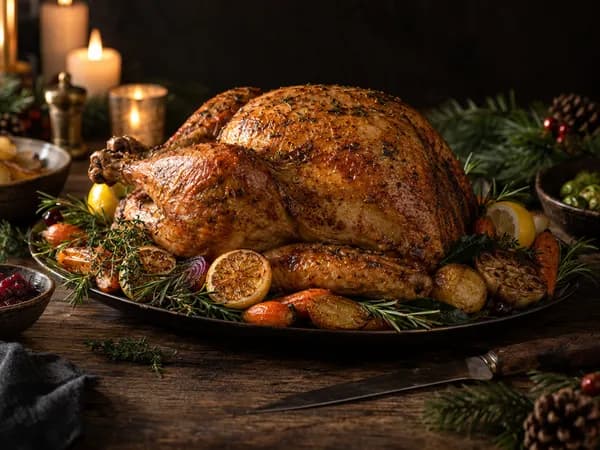
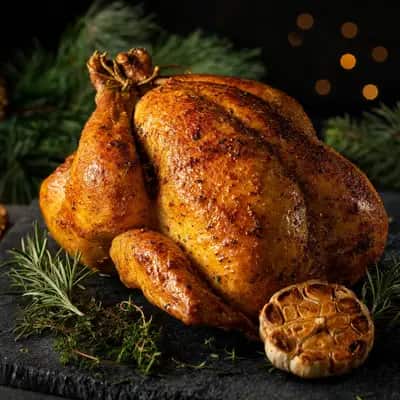
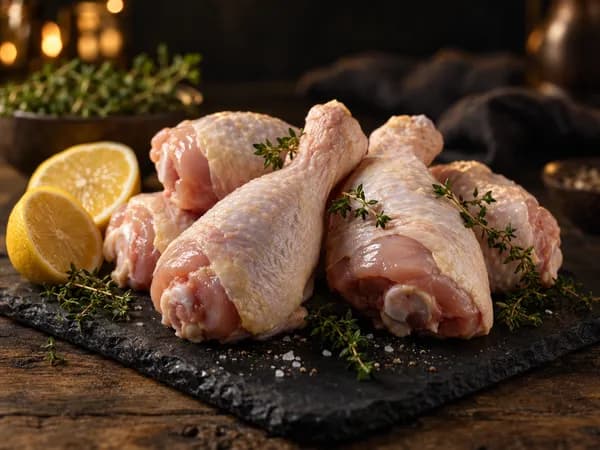
All poultry must reach 75°C in the thickest part, which for a whole bird is the thigh, away from the bone. Check the breast too. If the stuffing is inside the bird, the stuffing must reach 75°C as well.
Mince, Sausages, Burgers and Rolled Roasts
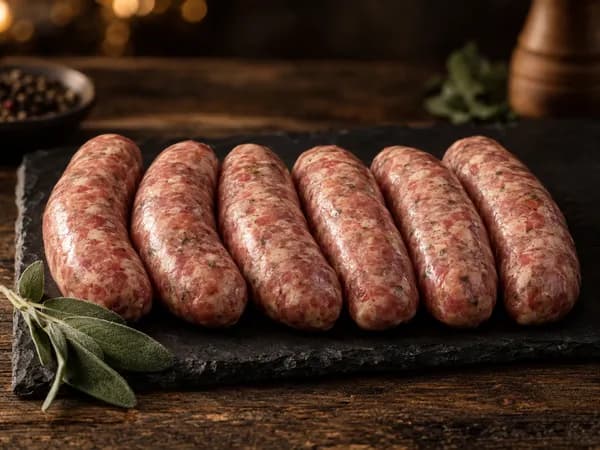
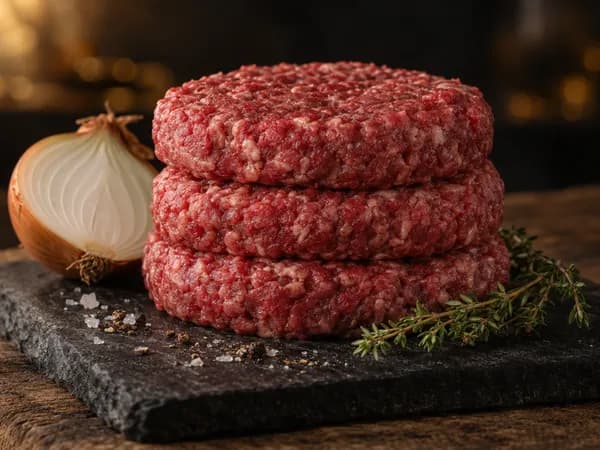
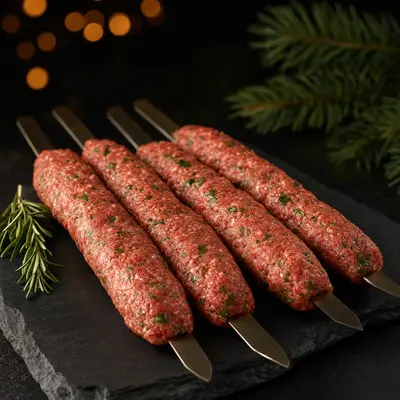
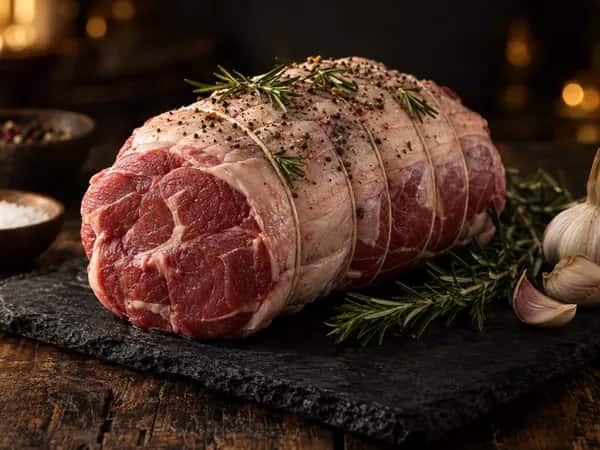
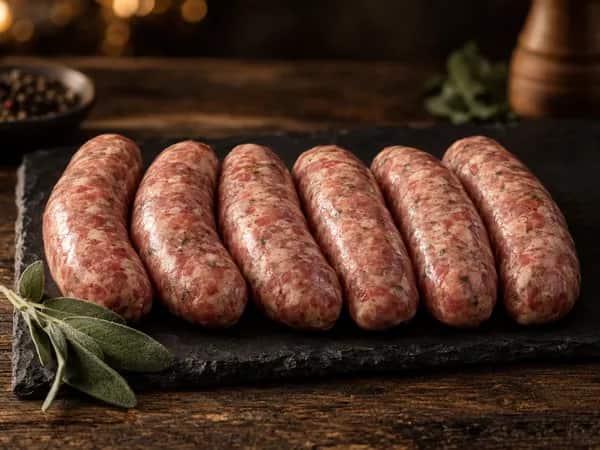
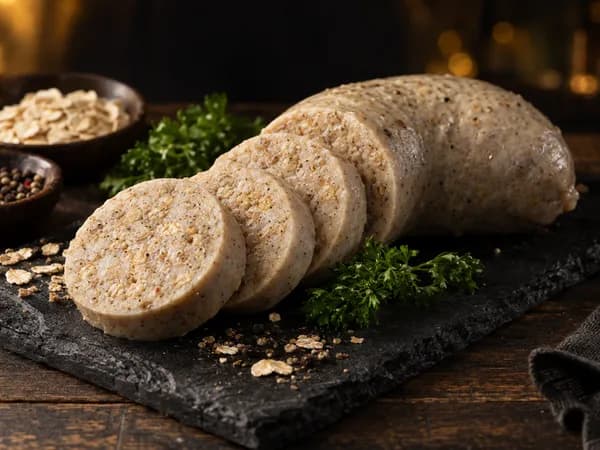
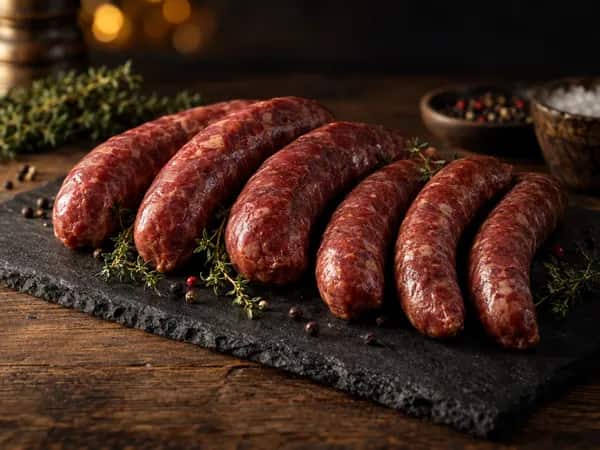
When meat is minced, rolled or stuffed, the outside surface gets mixed or folded into the middle. That is why mince, sausages, burgers, rolled roasts and stuffed meats need to reach 75°C in the centre, with no pink left. This is the standard Australian food safety advice, and it applies to beef and lamb as well.
Slow-Cooked Cuts
Brisket, pork shoulder for pulling, beef cheeks and short ribs are safe long before they are tender. Cook them on to about 90 to 95°C, when the collagen has melted and a probe slides in with almost no resistance.
Leftovers
Reheat cooked meat until it is steaming hot all the way through, 75°C or above in the centre, and only reheat it once.
How to Use a Thermometer
- Push the probe into the thickest part of the meat, through the side for a steak, so the tip sits in the centre.
- Keep it away from bone and fat, which read differently.
- On a roast, check in more than one spot.
- Test the thermometer now and then in a glass of iced water. It should read 0°C.
Keep It Cold, Too
Temperature matters before cooking as well. Keep your fridge at 5°C or below, keep raw meat on the bottom shelf, and do not leave cooked meat out for more than two hours.
The free Steak Guide and Roast and Christmas Guide have these numbers in printable form. Stick one on the fridge.