Free cooking guide
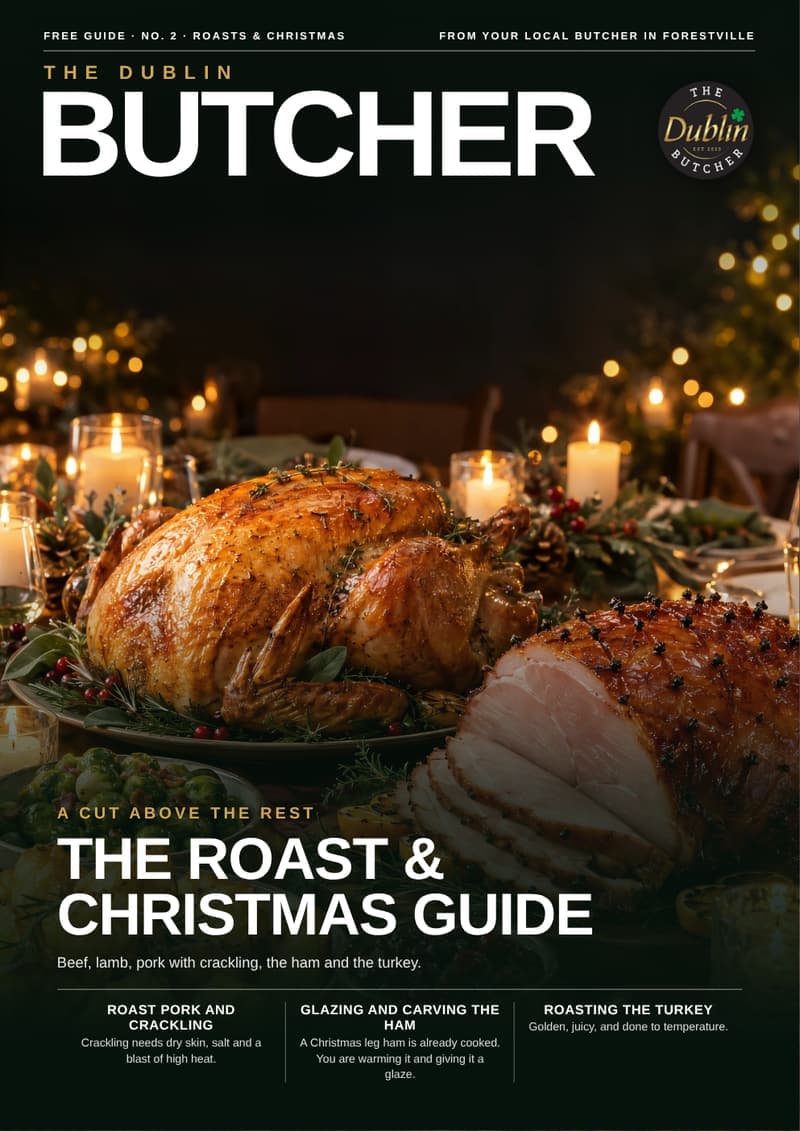
The Roast & Christmas Guide
Beef, lamb, pork with crackling, the ham and the turkey.
A roast is easier than it looks, and it is very hard to get wrong if you cook it by temperature rather than the clock. Times per kilo are only a rough guide: ovens vary and so does the shape of a joint. Use them to plan, and a thermometer to decide.
Get the printable PDF
The whole guide, designed to print or keep on your phone. Pop in your email and we'll send you the link.
 Illustration
Part 1
The roasting basics
- Take the roast out of the fridge 30 to 45 minutes before it goes in.
- Pat it dry and season well. Rub a little oil over the outside.
- Start hot to brown the outside, then turn the oven down to cook it through gently.
- Push a thermometer into the thickest part, away from the bone, and start checking well before the time is up.
- Rest it, loosely covered with foil, for 15 to 20 minutes. It keeps cooking and the juices settle.
- Carve across the grain, in slices about as thick as a pencil.
Part 2
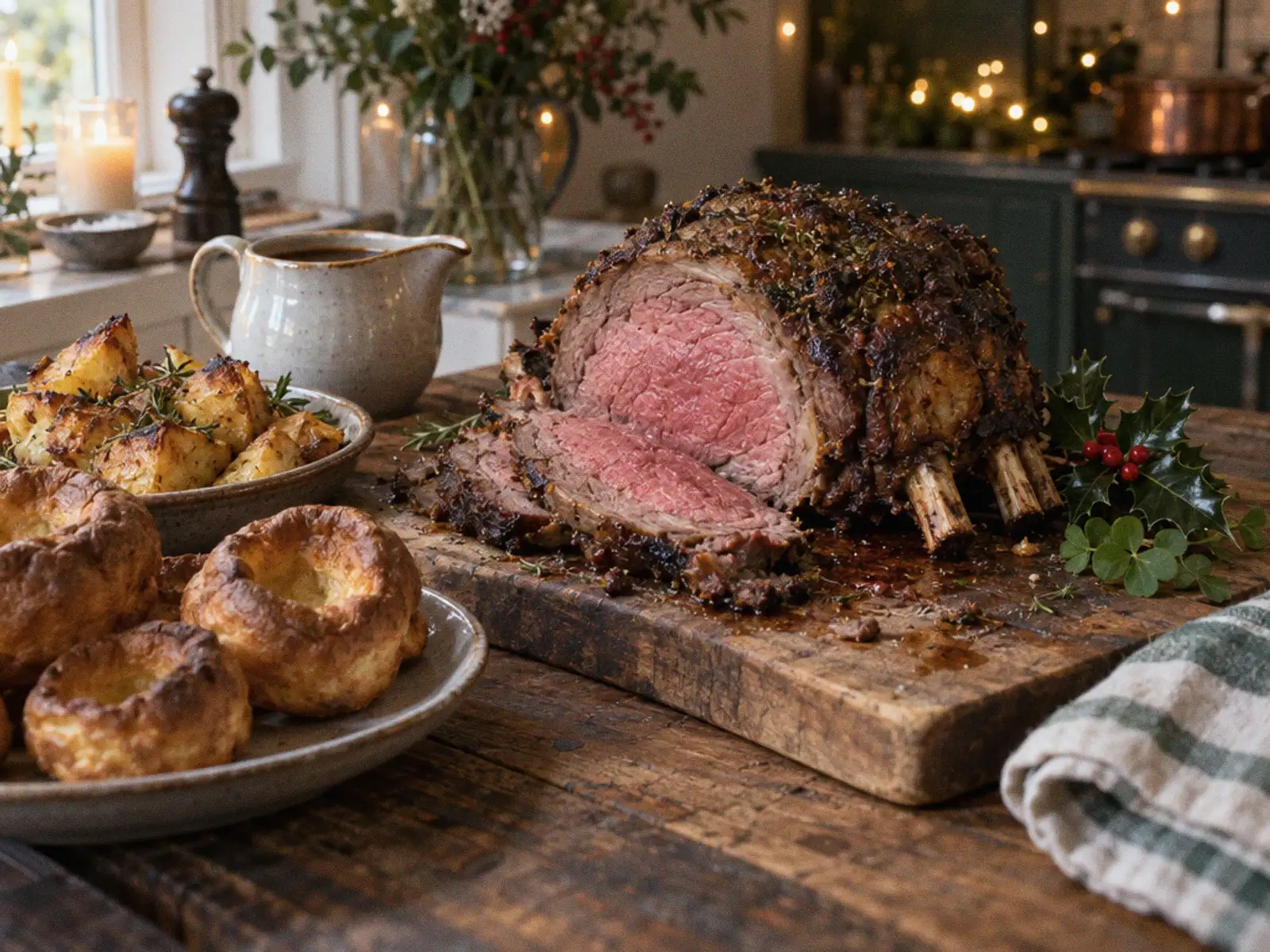
Roast beef
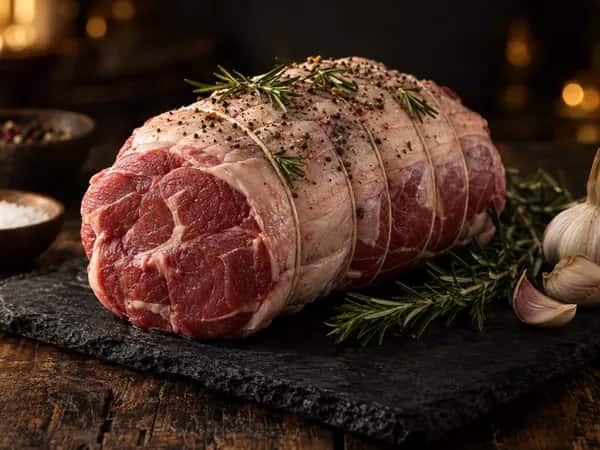
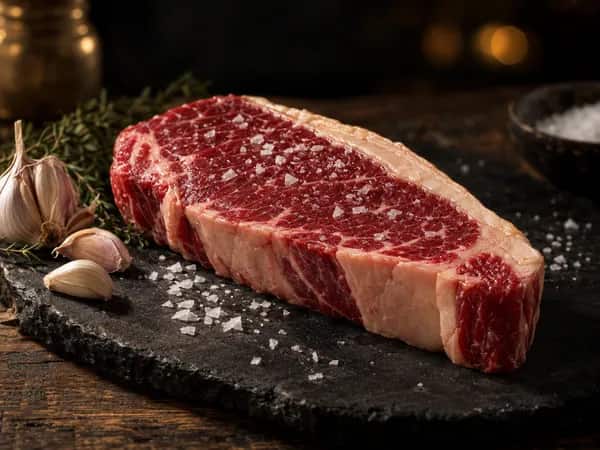
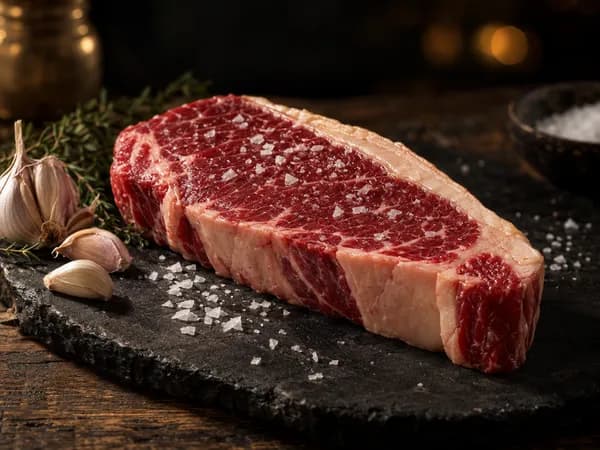
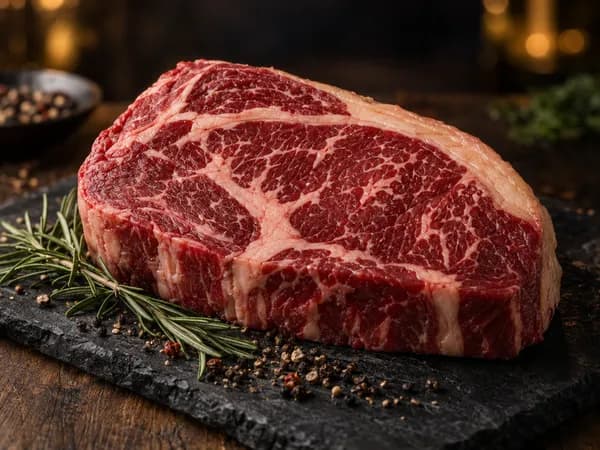
Good for a roast: rib roast on the bone, scotch fillet, sirloin, rump or eye fillet. Ask us for the right size for your table.
| Doneness | Take it out at | Rough guide per kg |
|---|---|---|
| Rare | 50°C | About 40 minutes |
| Medium-rare | 55°C | About 45 minutes |
| Medium | 60°C | About 50 minutes |
| Well done | 70°C | About 60 minutes |
Brown it first: 15 minutes at 220°C, then down to 180°C. A rough guide; go by temperature.
 Illustration
Part 3
Roast lamb
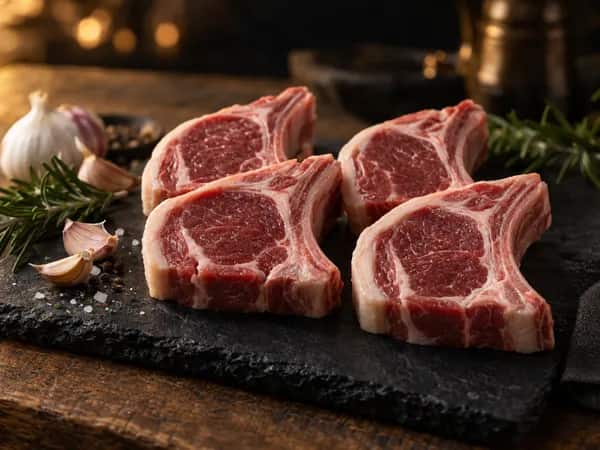
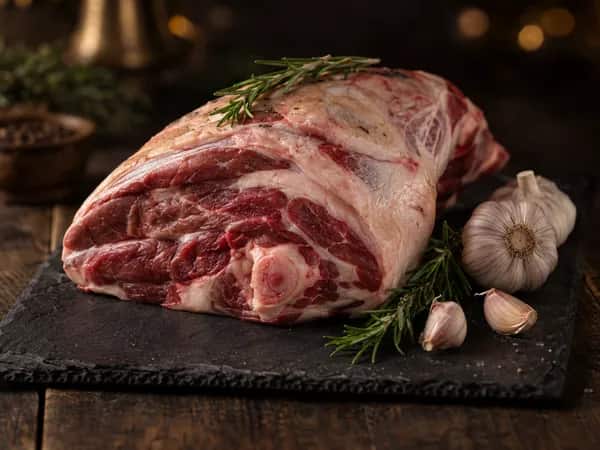
A leg for slicing, a shoulder for slow roasting and pulling apart.
| Doneness | Take it out at | Rough guide per kg |
|---|---|---|
| Medium-rare | 55°C | About 45 minutes |
| Medium | 60°C | About 55 minutes |
| Well done | 70°C | About 65 minutes |
Stud it with garlic and rosemary. A rough guide; go by temperature.
A lamb shoulder is different: it is at its best cooked long and slow until it falls apart. Cover it and roast at 160°C for 3½ to 4 hours, then uncover for the last 30 minutes to brown. There is a full recipe on the Recipe Cards.
Part 4
Roast pork and crackling
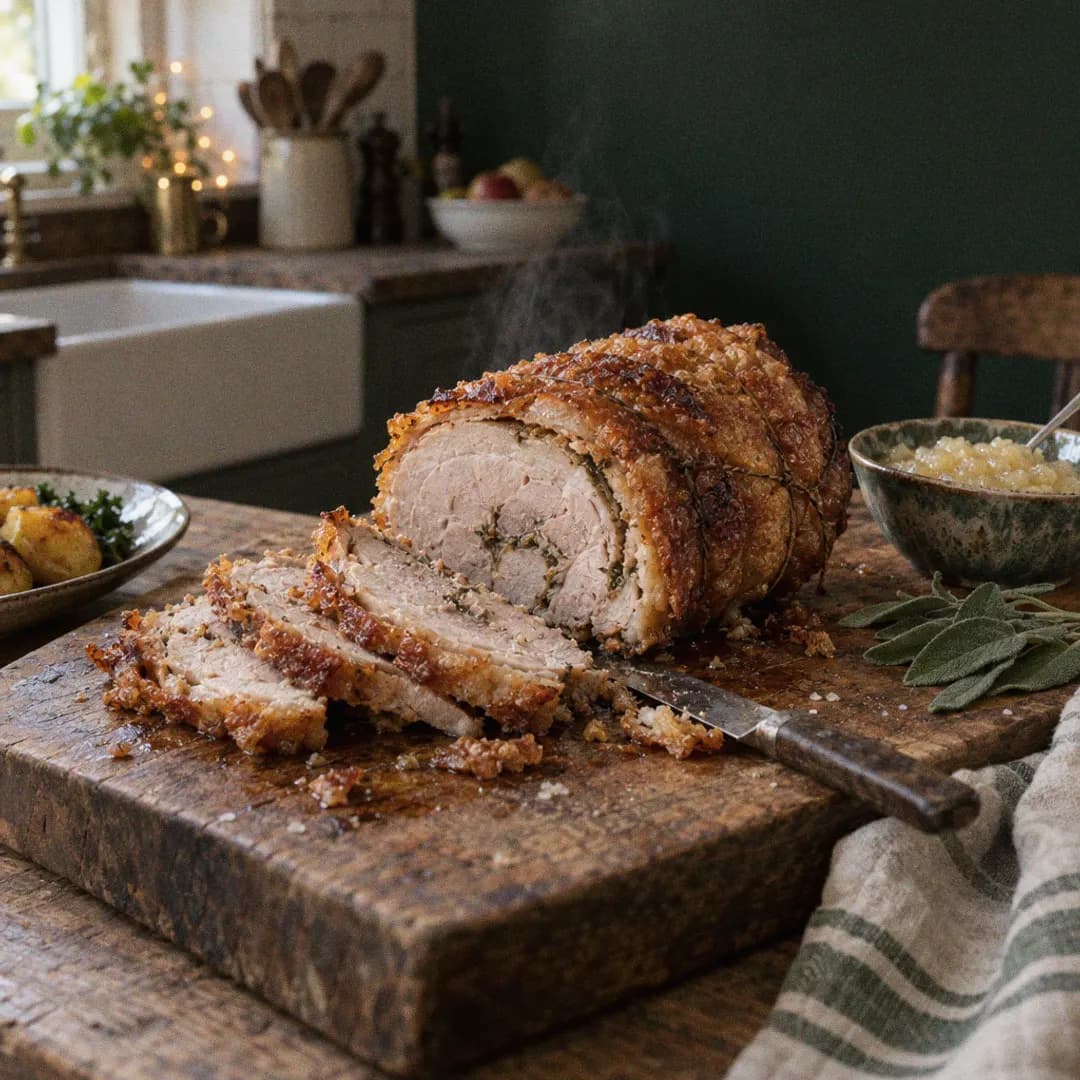
Crackling needs dry skin, salt and a blast of high heat.
Crackling that crackles
- Step 1: Ask us to score the rind for you, or score it yourself with a sharp blade, about 1cm apart, through the skin but not into the meat.
- Step 2: Pat the rind completely dry. Leave it uncovered in the fridge overnight if you can: the drier the skin, the better the crackling.
- Step 3: Before cooking, rub the rind with a little oil and plenty of salt, working it into the cuts.
- Step 4: Roast at 230°C for 25 to 30 minutes until the rind blisters and bubbles.
- Step 5: Turn the oven down to 180°C and roast for about 50 to 60 minutes per kg, until the centre reaches about 70°C.
- Step 6: Rest it uncovered for 15 minutes, so the crackling stays crisp. Covering it softens the crackling.
 Illustration
Part 5
Glazing and carving the ham
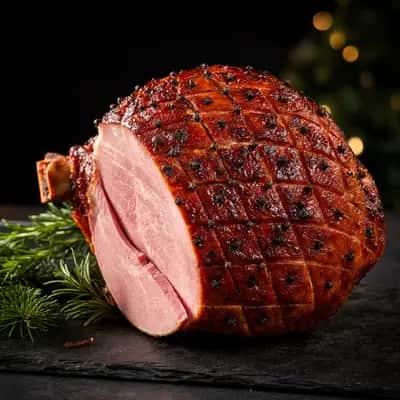
A Christmas leg ham is already cooked. You are warming it and giving it a glaze.
Glazing a ham
- Step 1: Heat the oven to 180°C. Line a roasting tin with baking paper, as the glaze will catch.
- Step 2: Run a knife under the rind around the shank, leaving a collar of rind, then ease the rind off with your fingers, keeping the layer of fat on the ham.
- Step 3: Score the fat in a diamond pattern, about 1cm deep. Stud each diamond with a clove if you like.
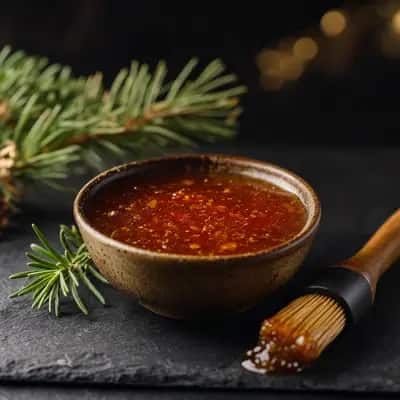
- Step 4: Brush on half the glaze. A simple glaze: 1 cup of brown sugar, ¼ cup of orange juice, 2 tablespoons of Dijon mustard and a little honey, warmed together.
- Step 5: Bake for about 45 minutes to 1 hour, brushing on more glaze every 15 minutes, until golden and sticky.
- Step 6: Serve it warm or cold. If you cover the shank with foil, it is easier to hold while carving.
Carving a leg ham
- Step 1: Stand the ham on a board with a damp cloth underneath so it does not slide. Hold the shank with a cloth.
- Step 2: Cut a wedge out near the shank end, down to the bone.
- Step 3: Slice from the wedge towards the wide end, in thin slices, cutting down to the bone.
- Step 4: Run the knife along the bone to free the slices.
- Step 5: When one side is done, turn the ham over and carve the other side the same way.
Part 6
Roasting the turkey
A golden, juicy turkey
- Step 1: If the turkey is frozen, thaw it in the fridge, never on the bench. Allow about 24 hours for every 2 to 2.5kg.
- Step 2: Take it out of the fridge an hour before roasting. Remove the giblets, pat it dry inside and out.
- Step 3: Rub the skin with soft butter and season well. Tuck a lemon, an onion and herbs into the cavity, or cook the stuffing separately in a dish, which cooks more evenly.
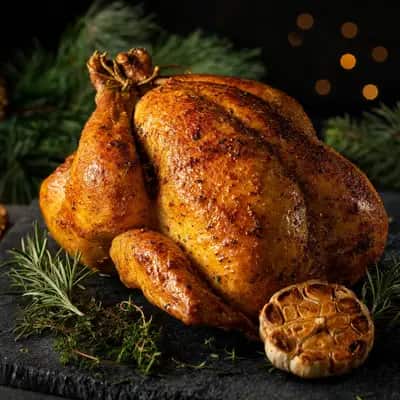
- Step 4: Roast at 180°C for about 40 minutes per kg for an unstuffed bird, longer if stuffed. Cover the breast loosely with foil if it browns too fast.
- Step 5: It is done when a thermometer in the thickest part of the thigh, away from the bone, reads 75°C, and the juices run clear.
- Step 6: Rest it, loosely covered, for 20 to 30 minutes before carving. It stays hot for a long time.
Part 7
Keeping leftover ham
The ham bag
- Step 1: Take the ham out of its plastic wrap as soon as you get it home.
- Step 2: Soak a ham bag, or a clean cotton pillowcase, in water with a splash of vinegar (about 1 litre of water to 2 tablespoons of vinegar). Wring it out well.
- Step 3: Put the ham in the damp bag and keep it in the coldest part of the fridge.
- Step 4: Rinse the bag and dampen it again in the water and vinegar every few days, or whenever it dries out.
- Step 5: Slice from the cut face each time, and cover the cut face with baking paper or the bag to stop it drying out.
Keep it in the kitchen
The Roast & Christmas Guide as a printable PDF, free. We'll email you a link to download it.
More free guides
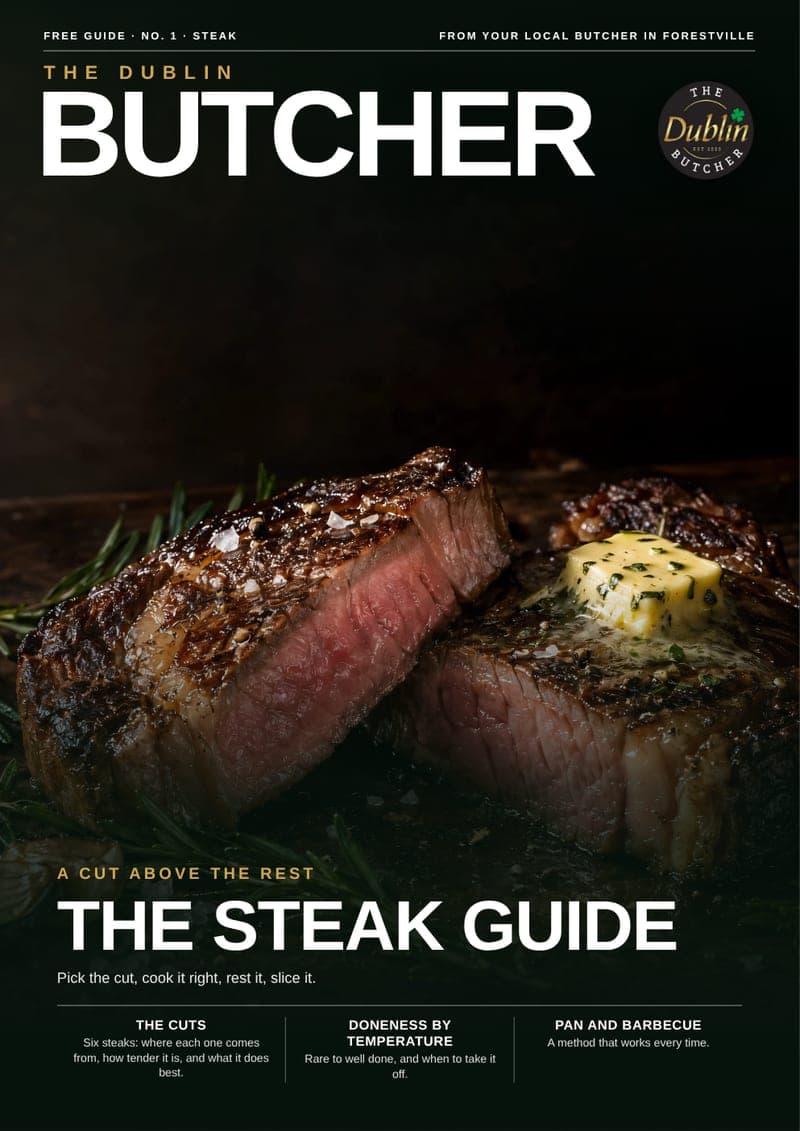 The Steak GuidePick the cut, cook it right, rest it, slice it.
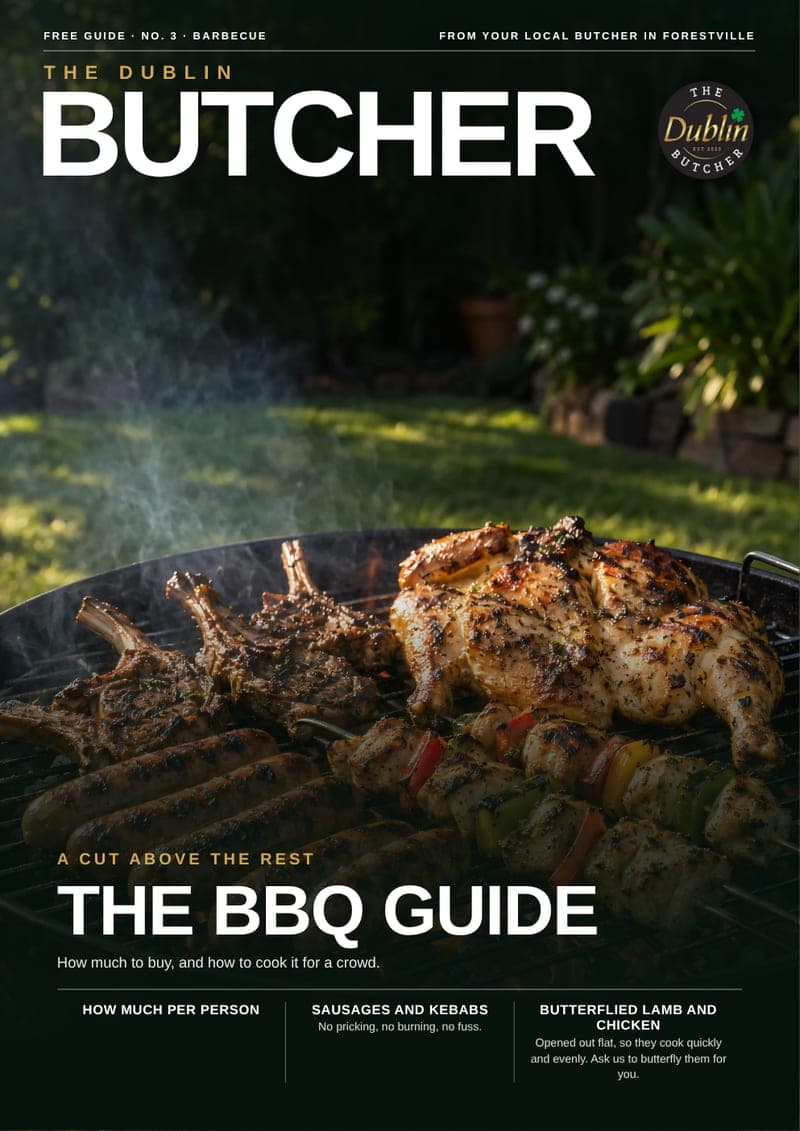 The BBQ GuideHow much to buy, and how to cook it for a crowd.
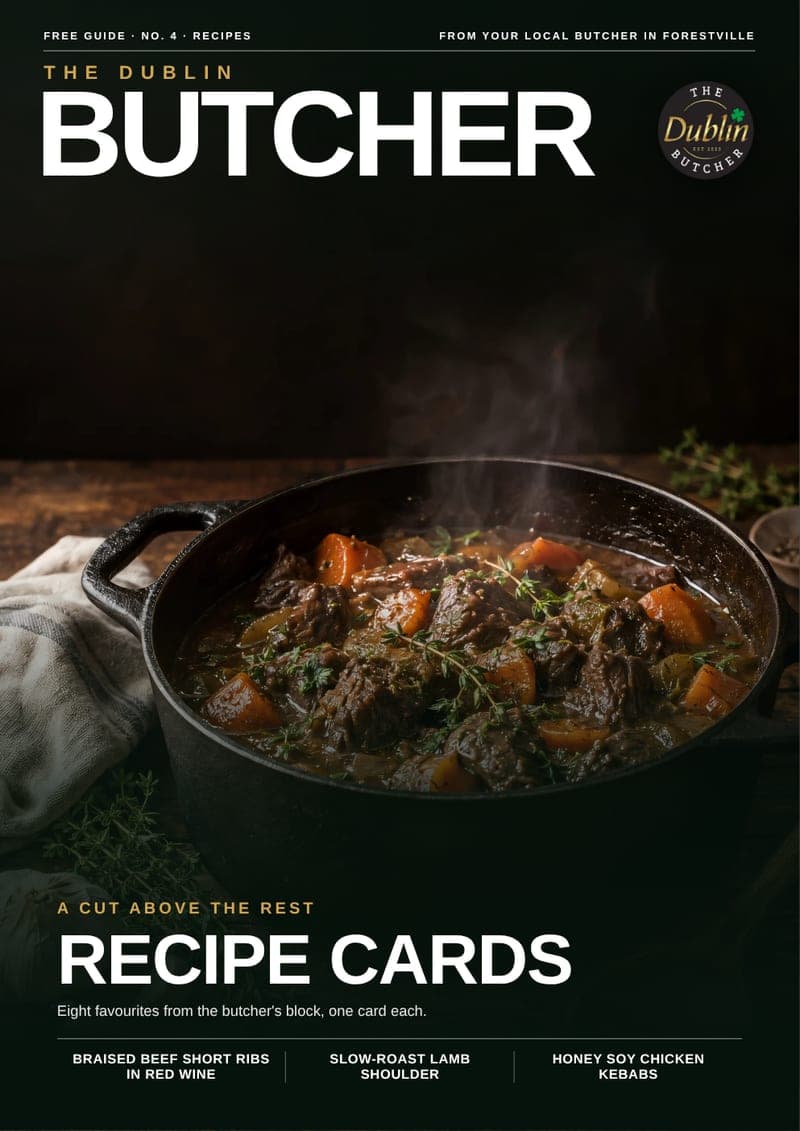 Recipe CardsEight favourites from the butcher's block, one card each.
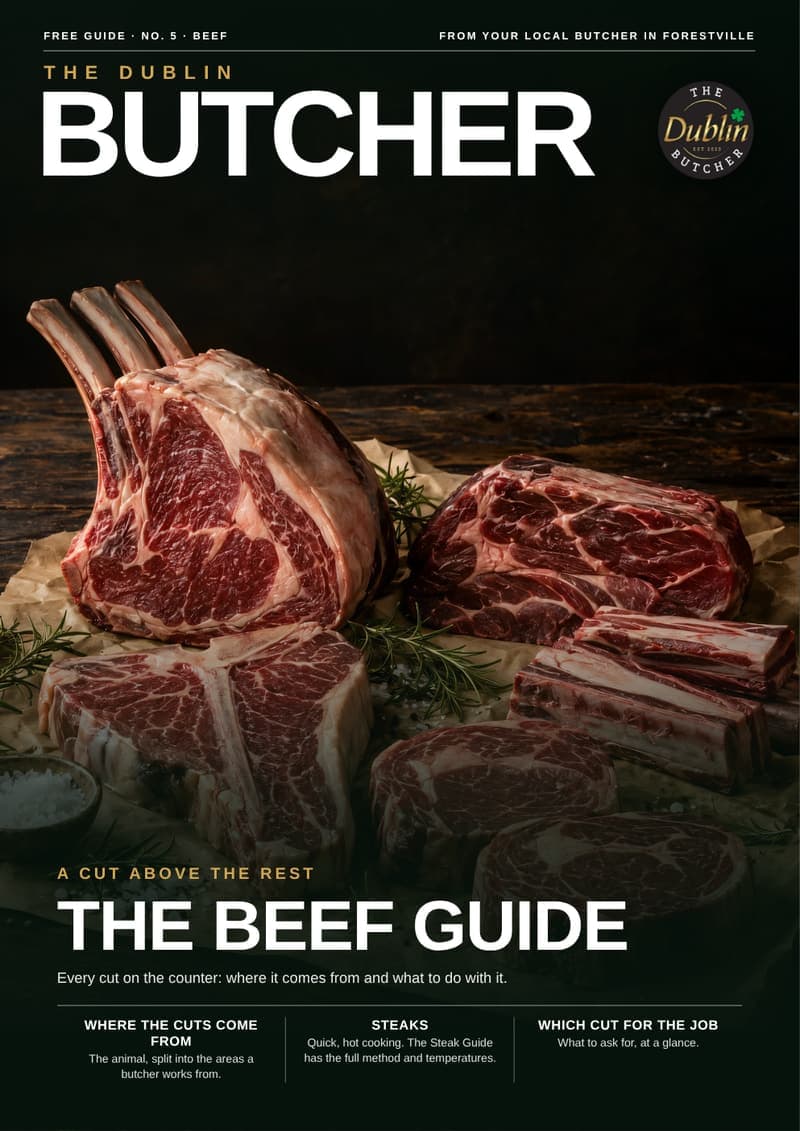 The Beef GuideEvery cut on the counter: where it comes from and what to do with it.
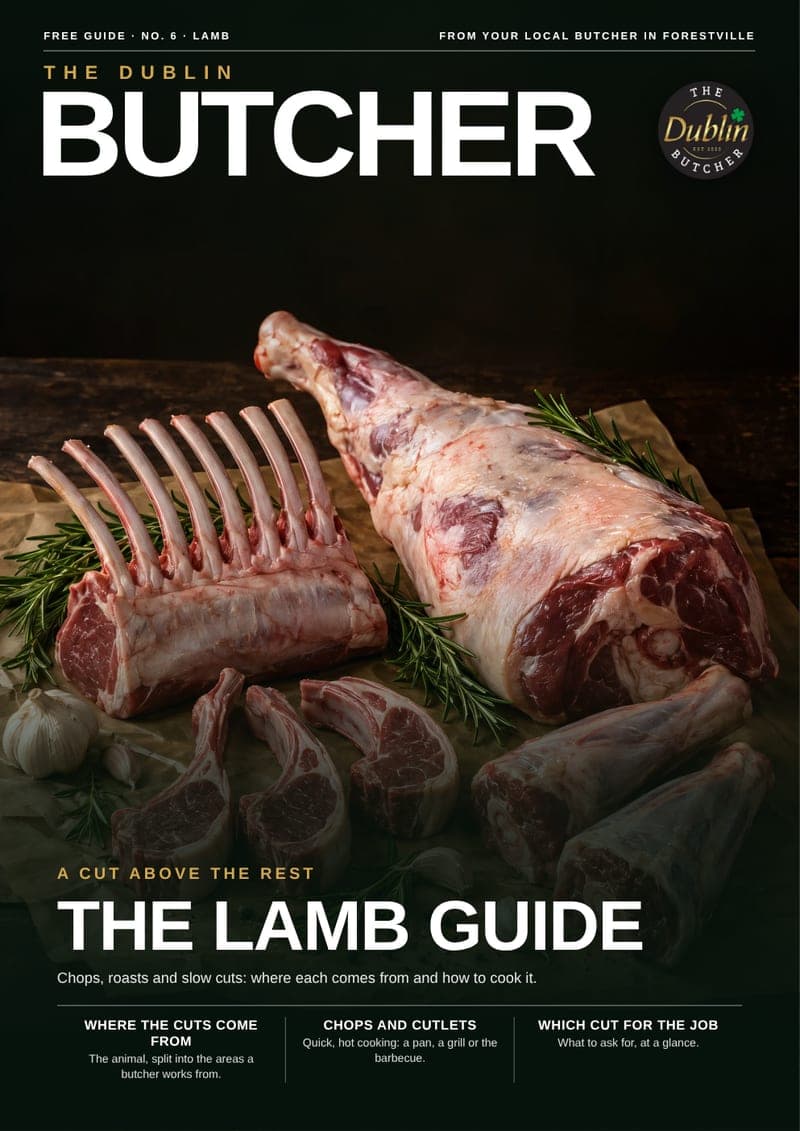 The Lamb GuideChops, roasts and slow cuts: where each comes from and how to cook it.
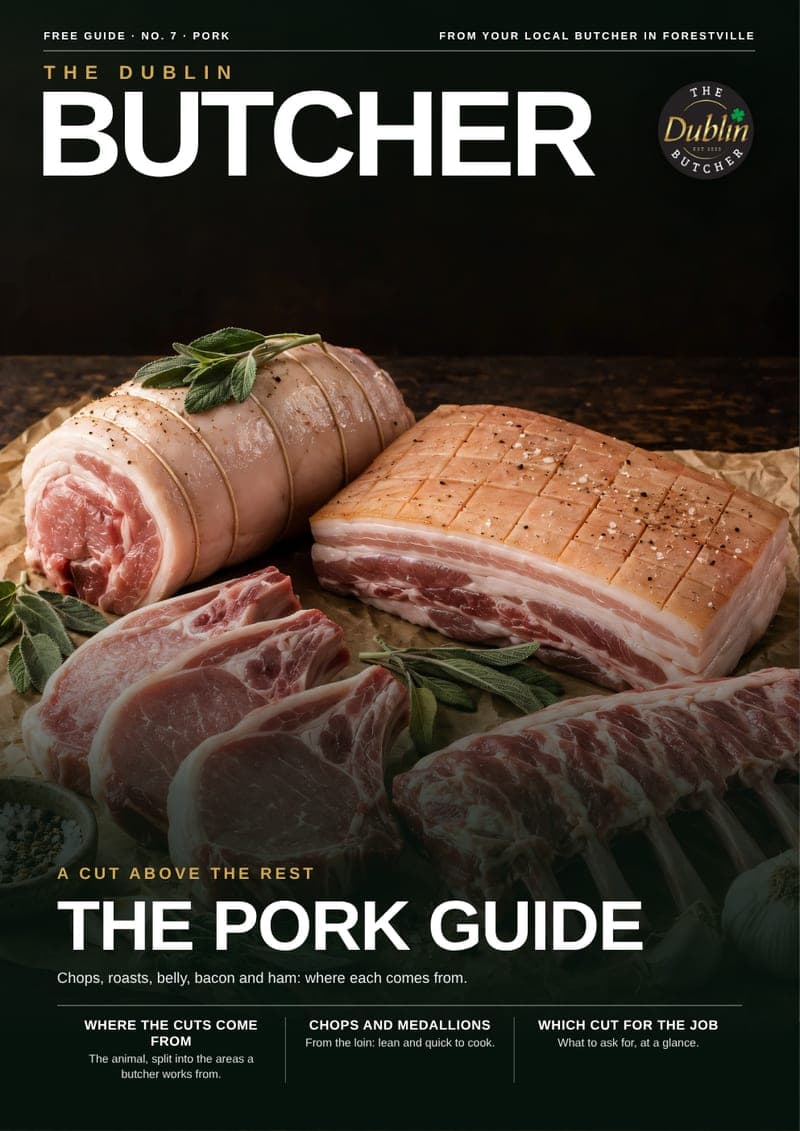 The Pork GuideChops, roasts, belly, bacon and ham: where each comes from.
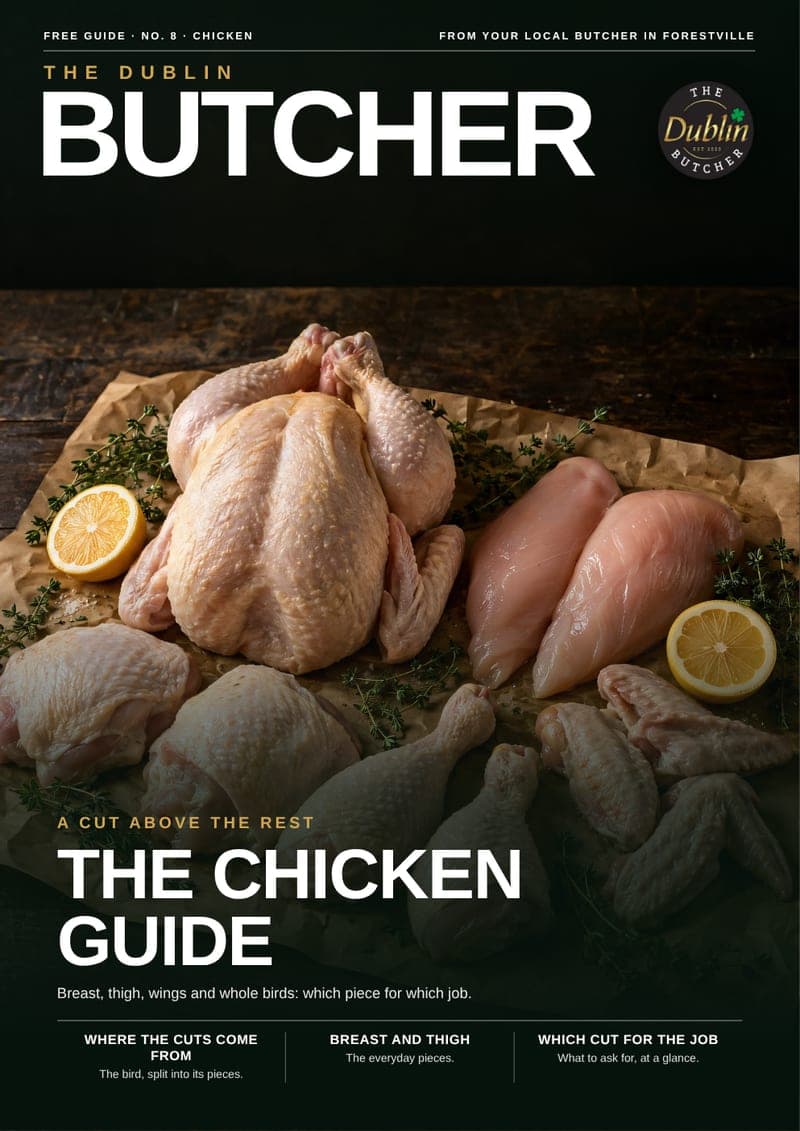 The Chicken GuideBreast, thigh, wings and whole birds: which piece for which job.