Free cooking guide
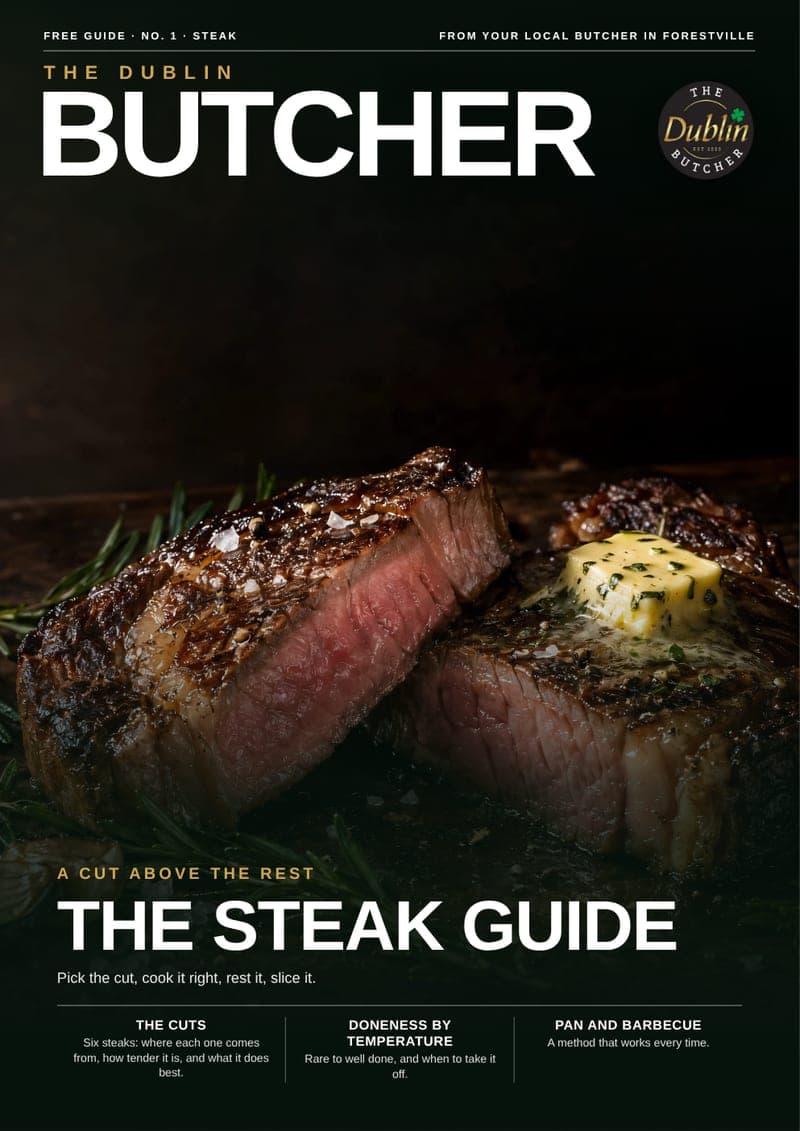
The Steak Guide
Pick the cut, cook it right, rest it, slice it.
A good steak needs three things: the right cut for the job, plenty of heat, and a few minutes of rest. This guide covers all three, with the temperatures we use ourselves. A meat thermometer is the best few dollars you will spend in the kitchen.
Get the printable PDF
The whole guide, designed to print or keep on your phone. Pop in your email and we'll send you the link.
 Illustration
Part 1
The cuts
Six steaks: where each one comes from, how tender it is, and what it does best.
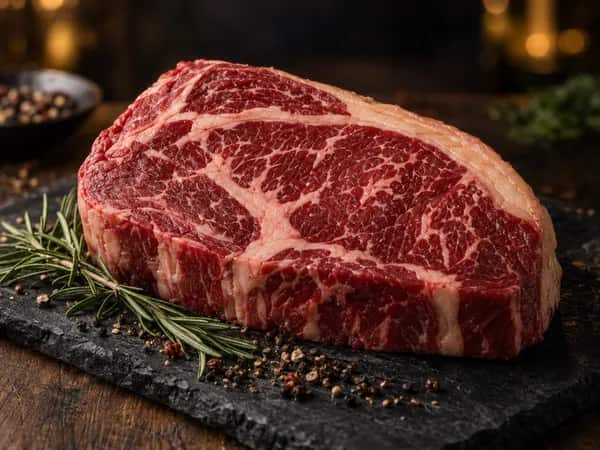
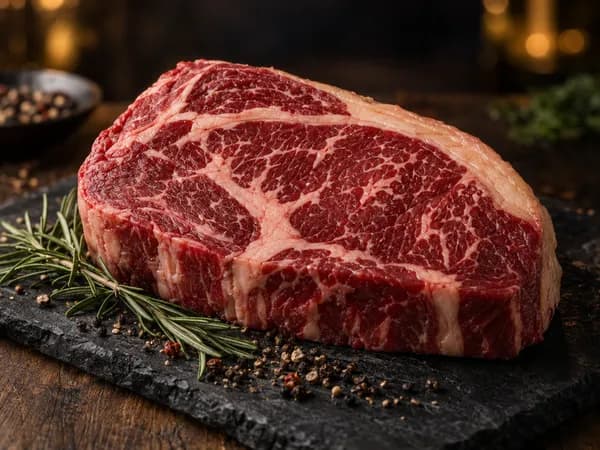
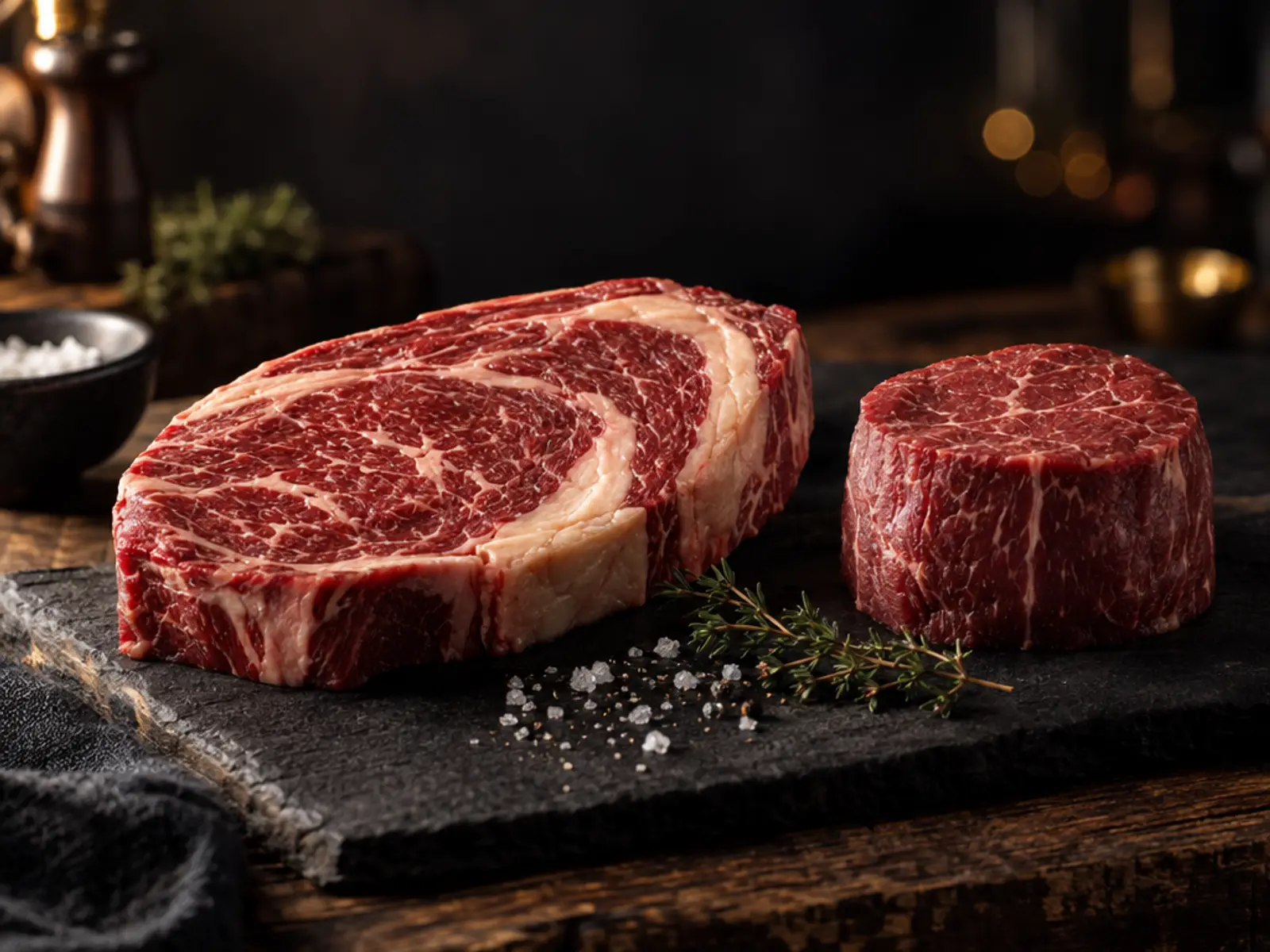
Scotch fillet
Also called ribeye (off the bone)
From The rib section, along the top of the back just behind the shoulder.
TendernessVery tender
FatRich, well marbled
- Best for
- Rich flavour and a forgiving cook. The all-rounder.
- How to cook it
- Hot pan or barbecue. Medium-rare to medium lets the marbling melt through the meat.
Rump
From The rump, at the top of the back leg, where the back meets the hip.
TendernessTender
FatSome fat
- Best for
- Big beefy flavour with a little more chew. Great value for a crowd.
- How to cook it
- Pan or barbecue, then slice thinly across the grain. Lovely with a marinade. Best no further than medium.
Eye fillet
Also called tenderloin
From The tenderloin, a long muscle tucked under the backbone in the loin. It does almost no work, so it is very tender.
TendernessThe most tender
FatLean
- Best for
- The most tender steak, lean and mild. A special occasion steak.
- How to cook it
- A short, very hot sear. Baste with butter for flavour. Take it off at medium-rare or medium.
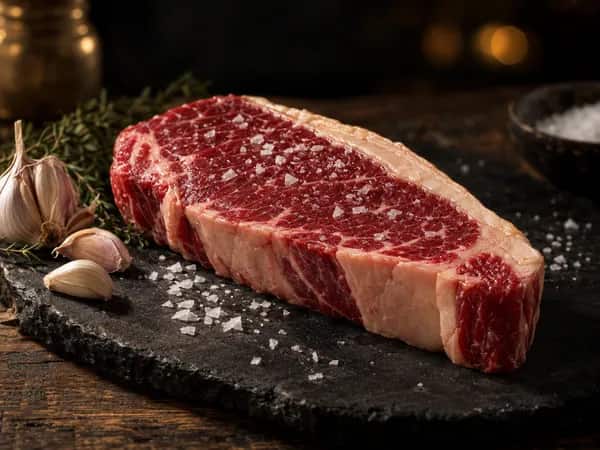
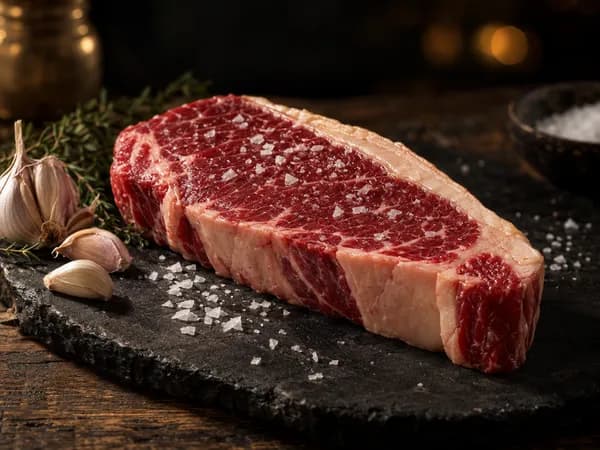
New York
Also called sirloin or porterhouse
From The sirloin (striploin), along the middle of the back in the loin.
TendernessVery tender
FatSome fat
- Best for
- A firm, fine texture with a strip of fat along one edge.
- How to cook it
- Stand it on its fat edge in the pan first to render and crisp the fat, then cook the faces.
T-bone
From The loin, cut across the backbone, so it has sirloin on one side and fillet on the other.
TendernessVery tender
FatSome fat
- Best for
- Two steaks in one: sirloin on one side of the bone, a little fillet on the other.
- How to cook it
- The fillet side cooks faster, so keep it towards the cooler part of the pan or grill.
Rump cap
Also called picanha
From The top of the rump, the muscle that sits under the thick layer of fat.
TendernessTender
FatRich, well marbled
- Best for
- Juicy, full of flavour, with a thick cap of fat. Made for the barbecue.
- How to cook it
- Score the fat, cook it whole fat side down first, then slice into steaks. Or cut into thick slices first and skewer.
 Illustration
- 1Neck and chuck (shoulder)
- 2RibScotch fillet
- 3Loin (sirloin and fillet)Eye fillet, New York, T-bone
- 4RumpRump, Rump cap
- 5Leg (topside, silverside)
- 6Brisket
- 7Short ribs, plate and flank
- 8Shin (osso buco)
Part 2
Doneness by temperature
Push a thermometer into the thickest part, from the side.
When to take it off the heat
- 50°CRareRed, cool centre. Soft to the touch.
- 55°CMedium-rareWarm red centre. The pick for most steaks.
- 60°CMediumPink right through. Firmer, still juicy.
- 65°CMedium-wellA touch of pink in the middle.
- 70°C+Well doneNo pink. Cook gently so it stays moist.
These are the temperatures to take the steak off the heat. It keeps cooking while it rests for 5 minutes, rising a few degrees.
No thermometer? Press the centre of the steak with a fingertip. Rare feels soft, like the fleshy base of your thumb with your hand relaxed. The firmer it feels, the more done it is. It takes practice, so a thermometer is the surer bet.
Part 3
In the pan
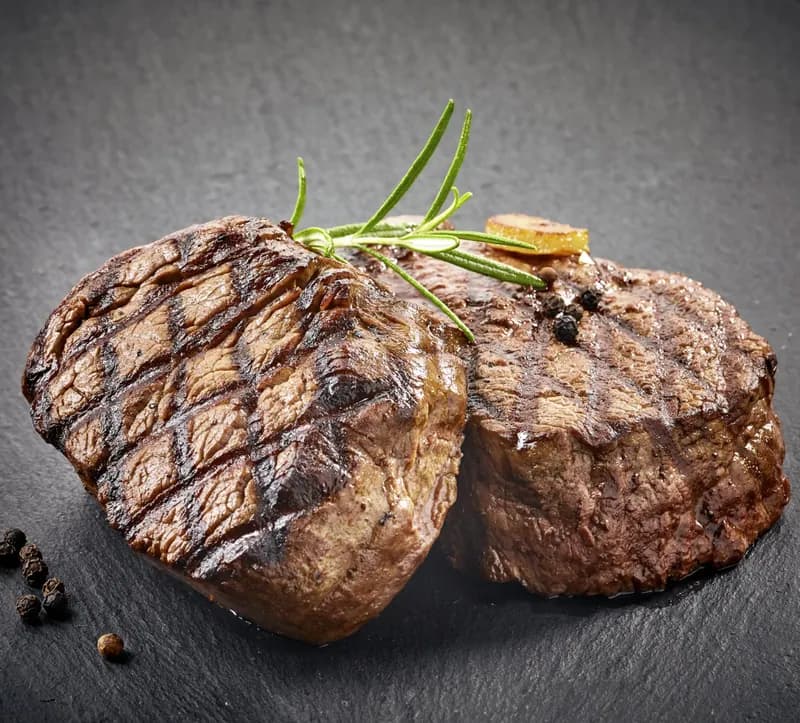
Pan-fried steak
- Step 1: Take the steak out of the fridge about 30 minutes before cooking and pat it dry with paper towel.
- Step 2: Heat a heavy frying pan over high heat until it is smoking hot.
- Step 3: Rub the steak with a little oil and season well with salt just before it goes in. Oil the steak, not the pan.
- Step 4: Lay it in the pan away from you and leave it for a minute to start the crust.
- Step 5: Turn it every minute or so for an even crust and even cooking. Stand a sirloin on its fat edge first.
- Step 6: For the last couple of minutes, add a knob of butter, a crushed garlic clove and some thyme, and spoon the foaming butter over the steak.
- Step 7: Check the temperature and take it off a few degrees early, using the table above.
- Step 8: Rest it on a warm plate, loosely covered, for 5 minutes. Pour the resting juices back over it.
Part 4
On the barbecue
Barbecued steak
- Step 1: Heat the barbecue well, with the lid down, for 10 to 15 minutes.
- Step 2: Set up two zones: one side on high, the other on low. The cooler side is your safety net.
- Step 3: Clean the grill and wipe it with an oiled cloth. Oil and salt the steak.
- Step 4: Sear over the hot side, turning every minute or two, until it is well browned.
- Step 5: Move thick steaks to the cooler side to finish gently, with the lid down if you like.
- Step 6: Take it off a few degrees early and rest it for 5 minutes before slicing.
Part 5
Resting and slicing
Resting lets the juices settle back through the meat, so they stay in the steak and not on the board. Five minutes is enough for most steaks. Keep it somewhere warm and cover it loosely with foil, without wrapping it tight or the crust will steam.
Look for the lines running along the meat: that is the grain. Slice across those lines, not along them, so every slice is short-fibred and tender. This matters most for rump, rump cap and skirt.
- Season with salt just before cooking, or at least 40 minutes before. In between draws moisture to the surface.
- Do not crowd the pan. Cook two at a time if you need to.
- Press only to test, never to flatten: pressing pushes the juices out.
- A sharp knife and a board with a groove keep the juices for the plate.
Keep it in the kitchen
The Steak Guide as a printable PDF, free. We'll email you a link to download it.
More free guides
 The Roast & Christmas GuideBeef, lamb, pork with crackling, the ham and the turkey.
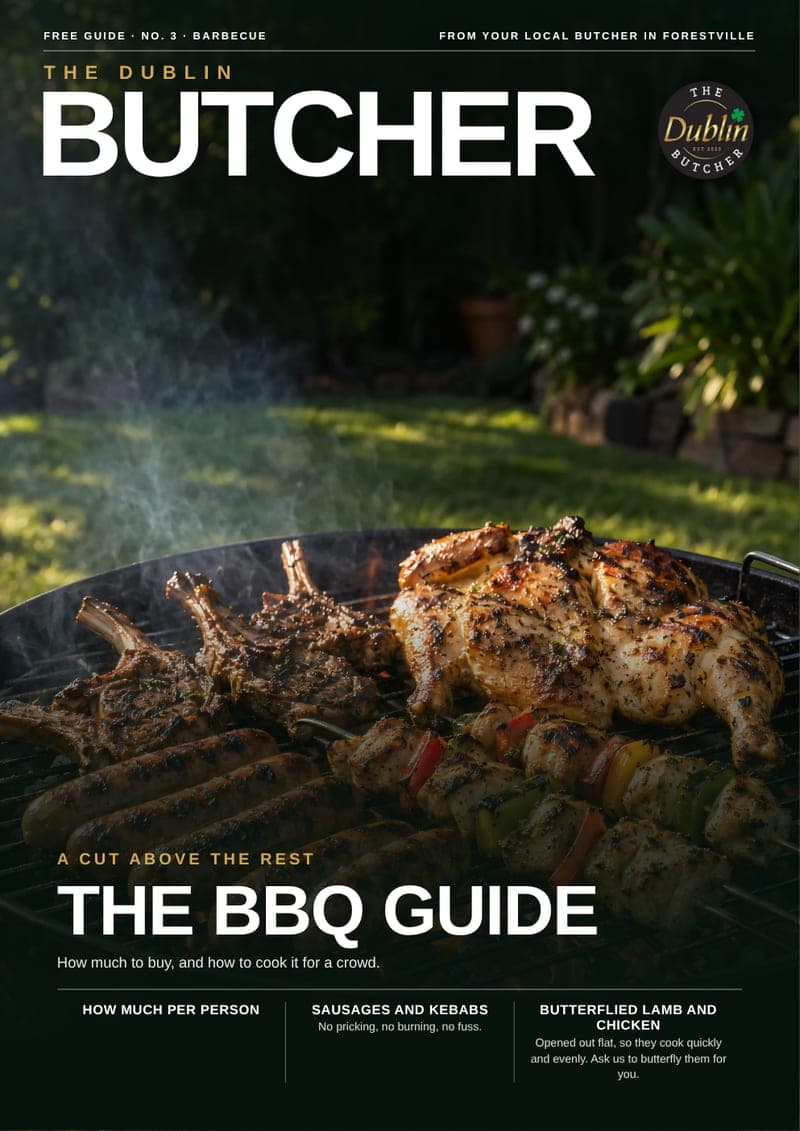 The BBQ GuideHow much to buy, and how to cook it for a crowd.
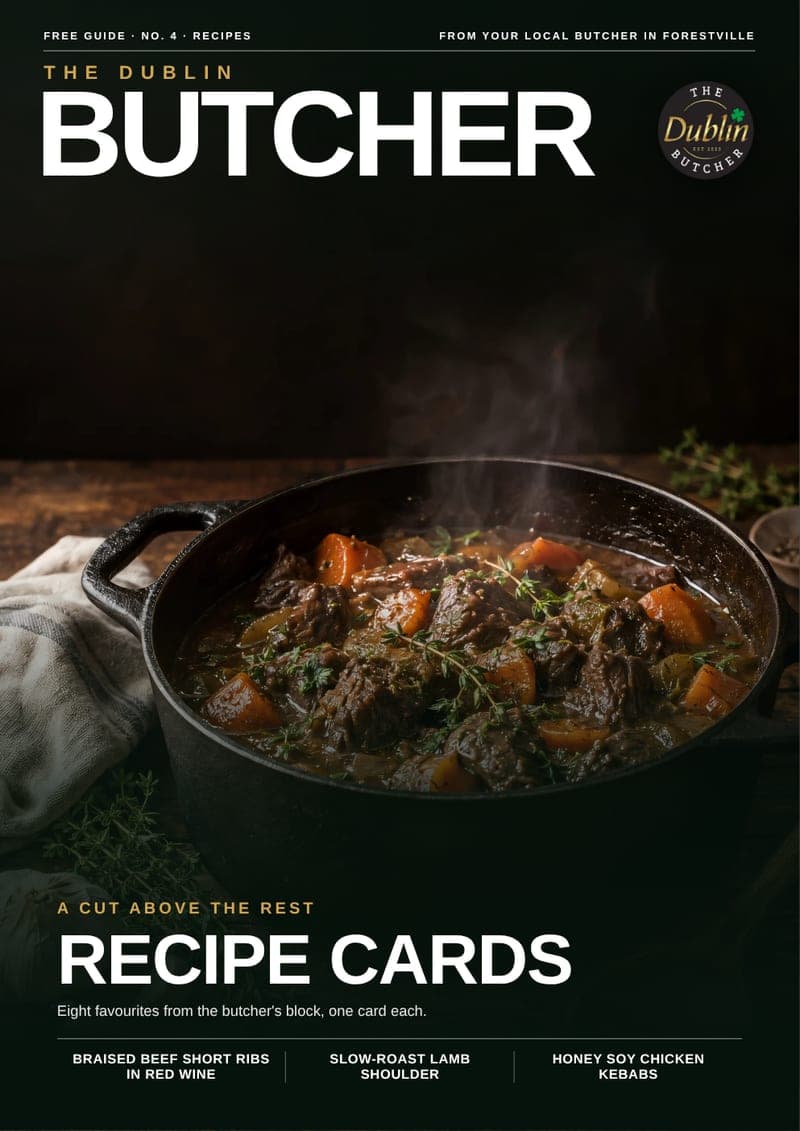 Recipe CardsEight favourites from the butcher's block, one card each.
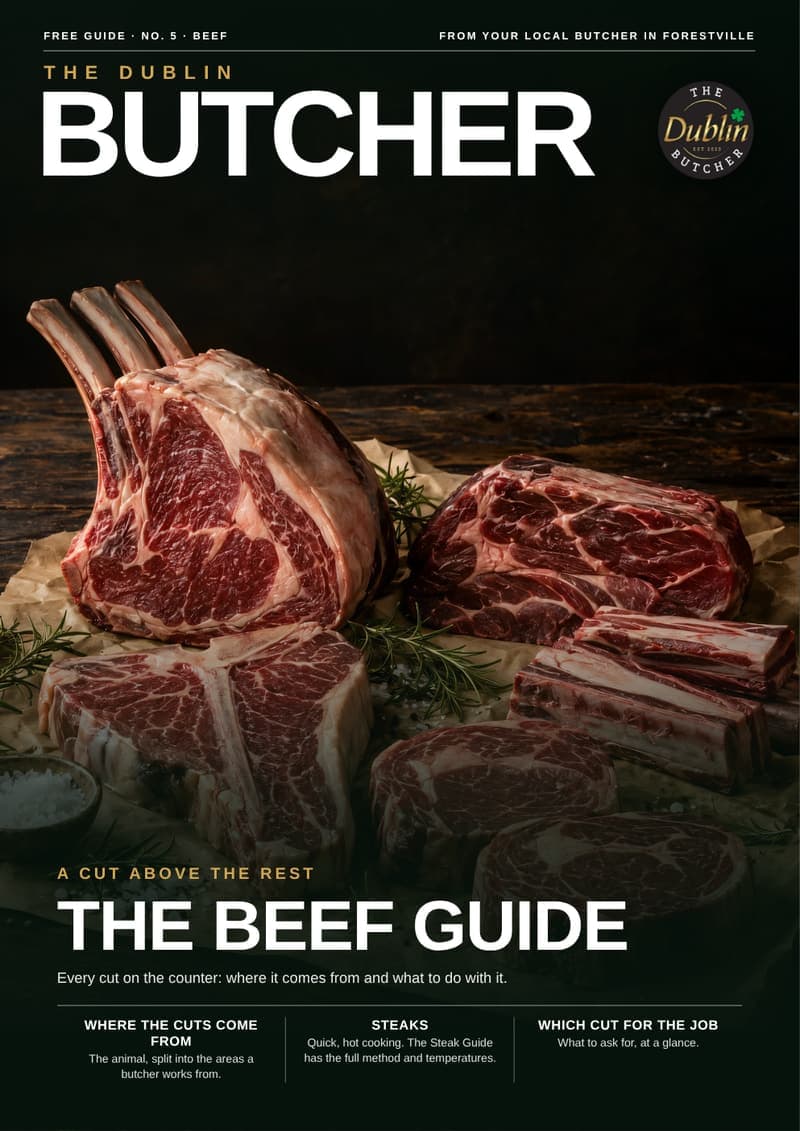 The Beef GuideEvery cut on the counter: where it comes from and what to do with it.
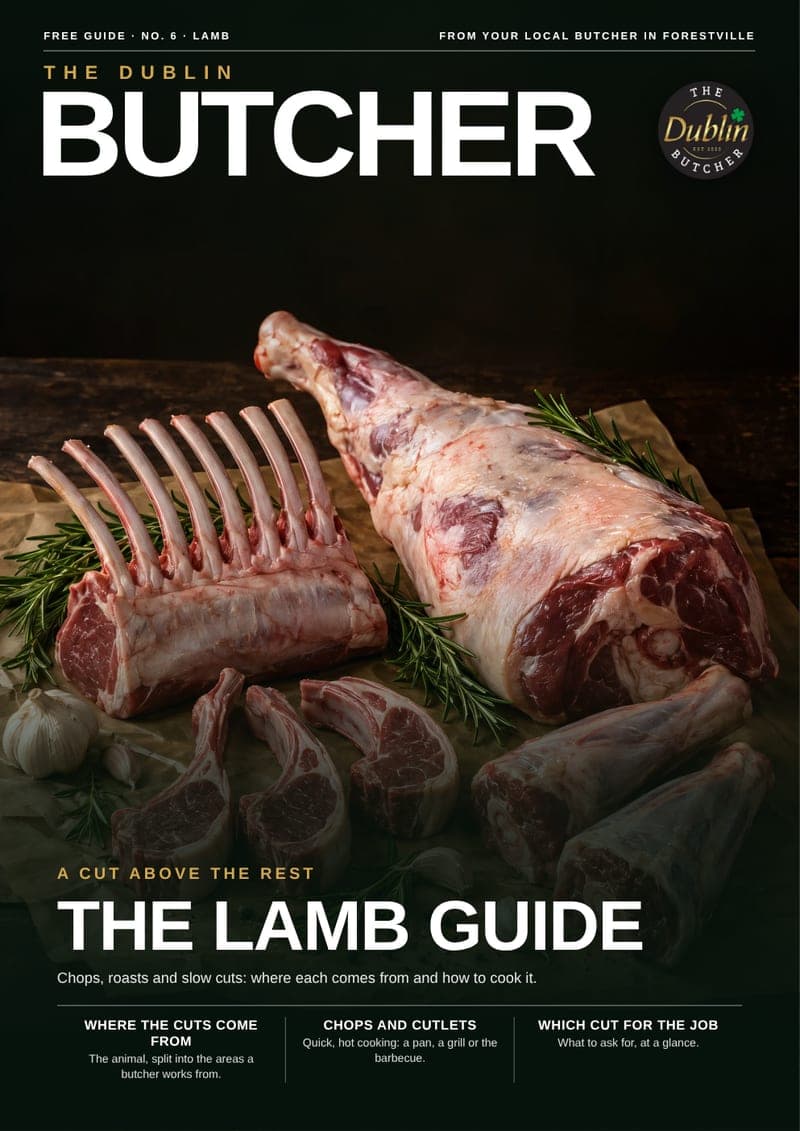 The Lamb GuideChops, roasts and slow cuts: where each comes from and how to cook it.
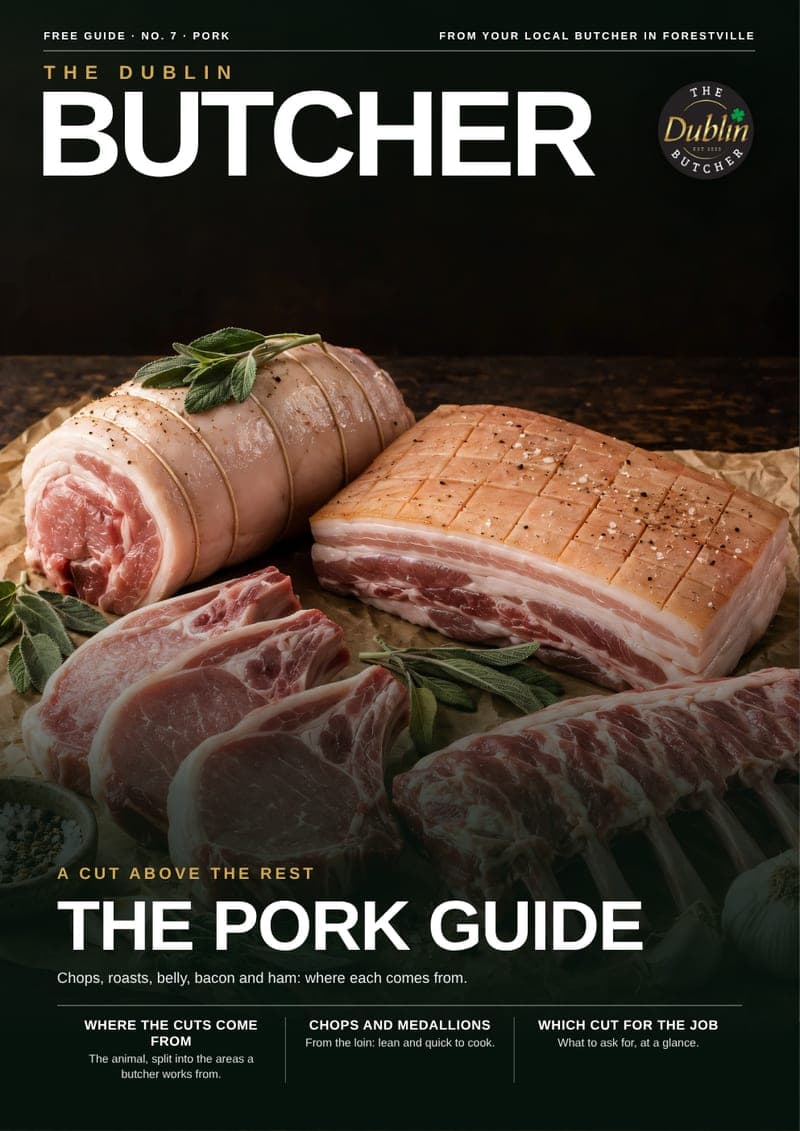 The Pork GuideChops, roasts, belly, bacon and ham: where each comes from.
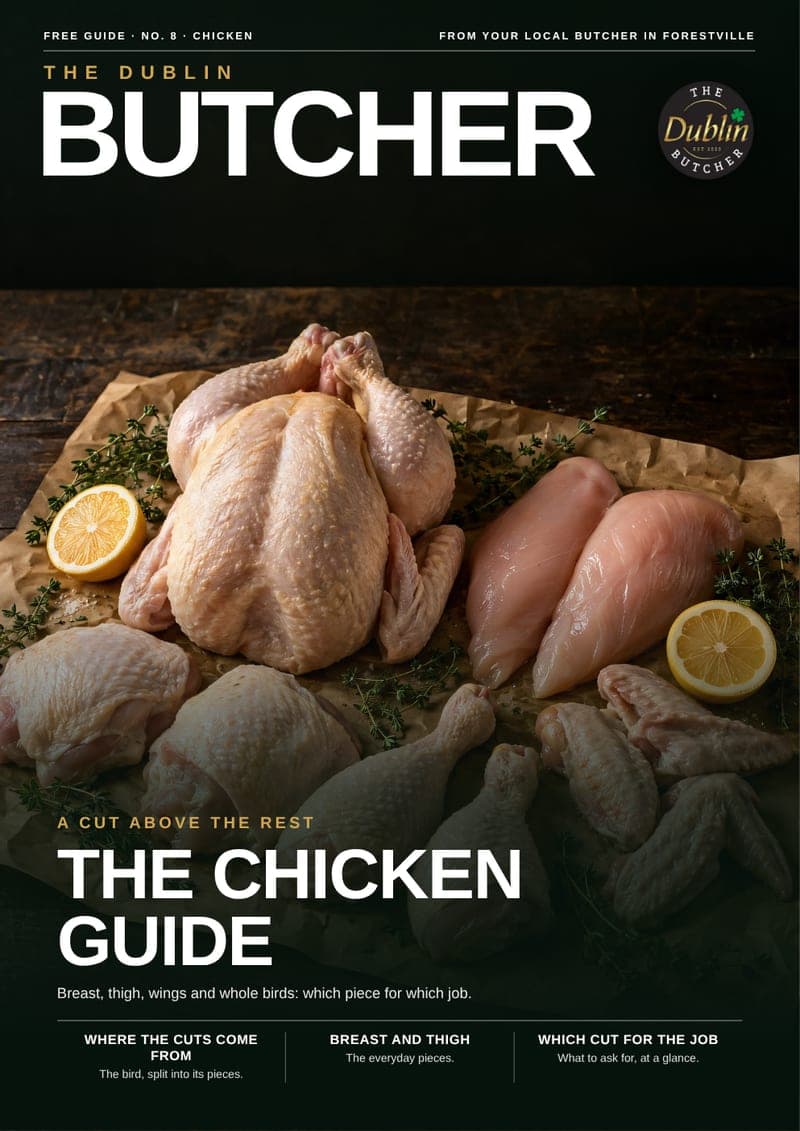 The Chicken GuideBreast, thigh, wings and whole birds: which piece for which job.