Reverse Searing: The Easiest Way to Cook a Thick Steak
By The Dublin Butcher · · 3 min read
 Illustration
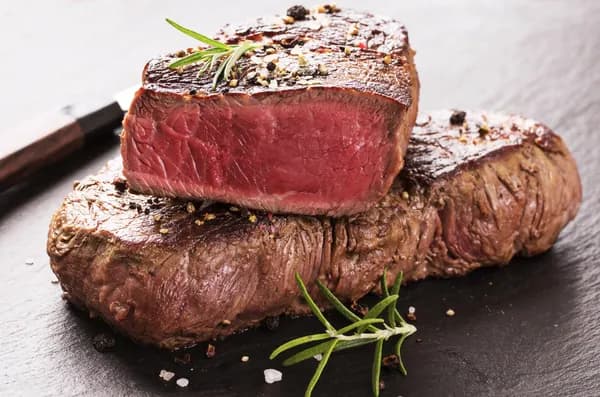
A thick steak is a wonderful thing, right up until you sear it, cut it open and find a thick grey band around a raw centre. Reverse searing fixes that. Instead of searing first and finishing in the oven, you do it the other way round.
Why It Works
Low, gentle heat cooks the steak evenly from edge to centre, so you get the same pink all the way through. It also dries the surface, and a dry surface browns far faster. By the time the steak hits the pan, all it needs is a minute or so a side to build a deep crust.
It is also very forgiving. The steak rises slowly in the oven, so it is hard to overshoot your target.
Which Steaks to Use
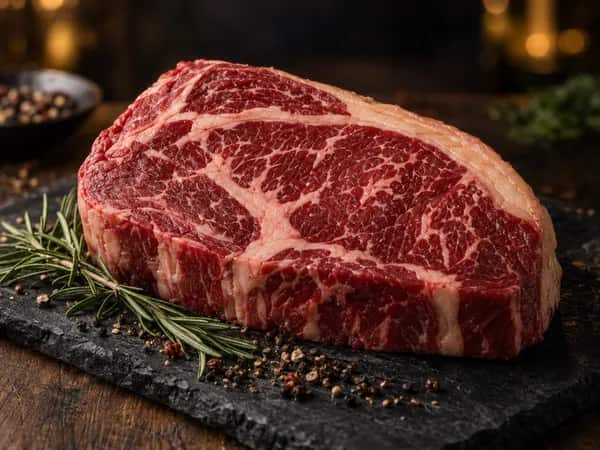
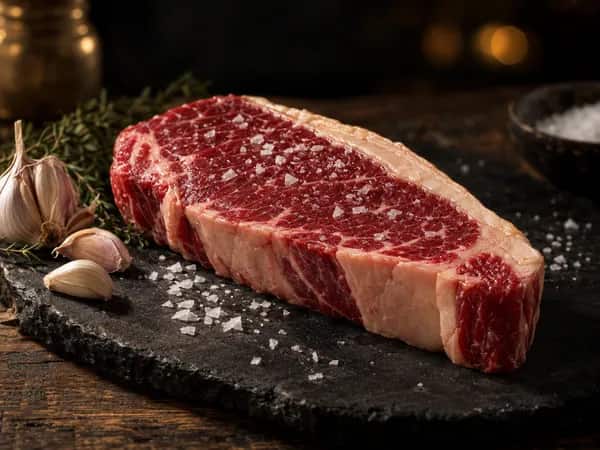
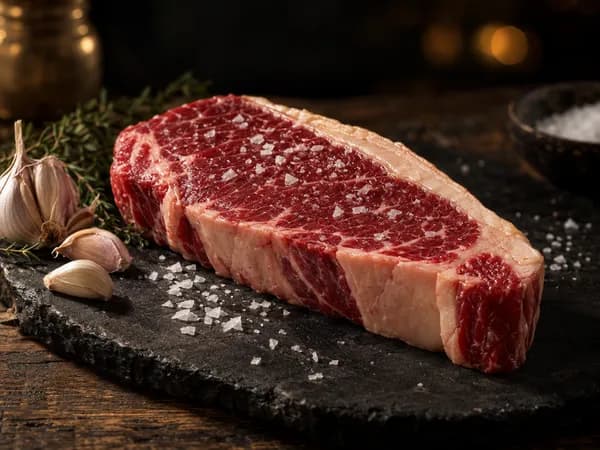
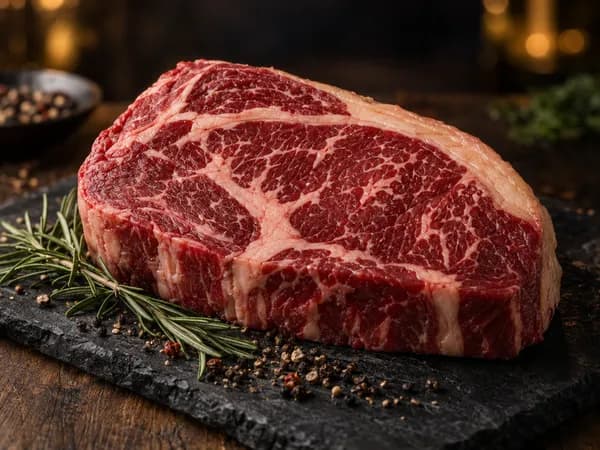
Reverse searing is for thick steaks, at least 4cm. Think a thick rib eye, a bone-in sirloin, a T-bone or a big piece of scotch fillet for two. For anything thinner, a hot pan alone is quicker and works perfectly well.
Step by Step
- If you can, salt the steak the day before and leave it uncovered on a rack in the fridge. If not, salt it at least 40 minutes before cooking.
- Heat the oven to 110 to 120°C. Sit the steak on a rack over a tray so the air circulates.
- Cook it until the centre is about 8 to 10°C below your final target. For medium-rare, that is about 45°C. Depending on thickness, this takes 30 minutes to an hour, so use a thermometer.
- Take it out and heat a heavy pan, ideally cast iron, until it is smoking hot. Add a little high smoke point oil.
- Sear the steak for 60 to 90 seconds a side. Hold it on its edges too, especially the fat strip.
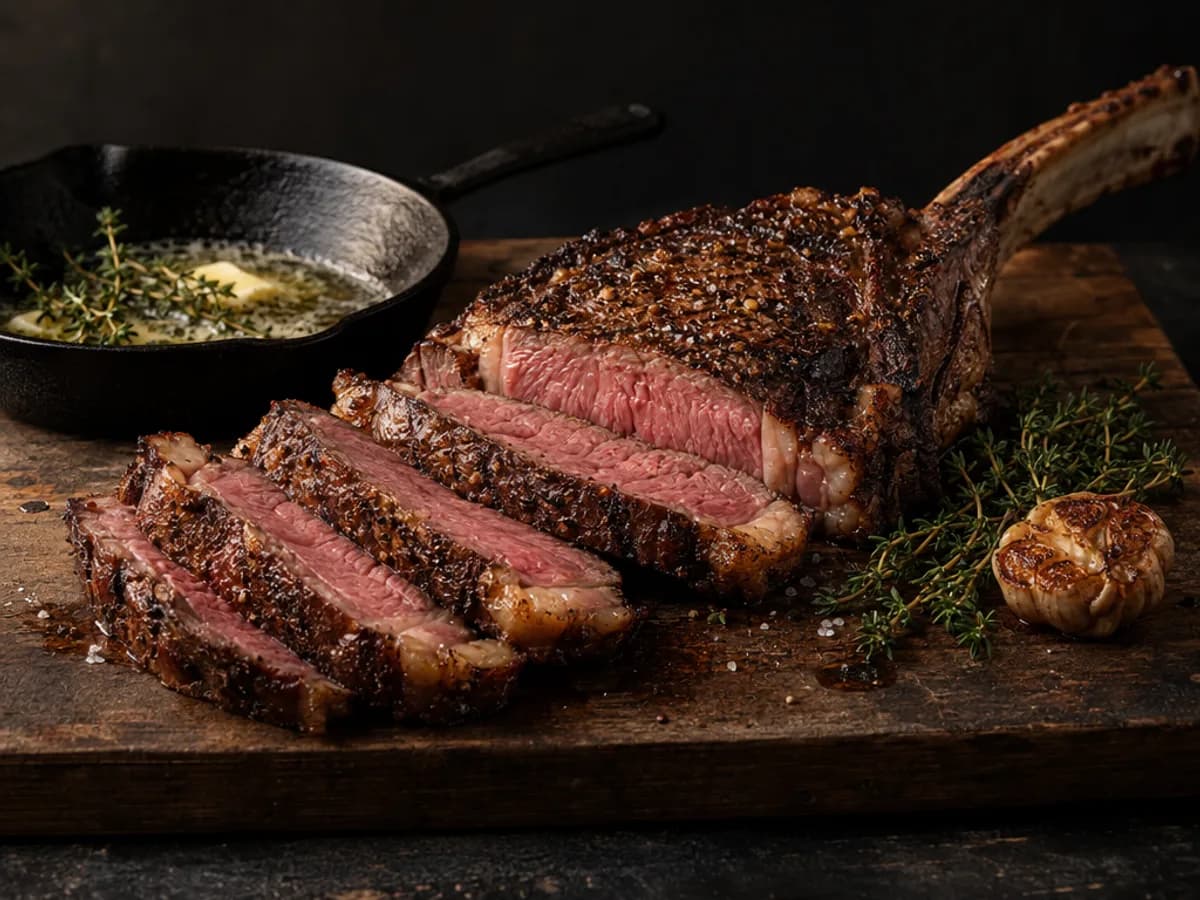
- In the last 30 seconds, add a knob of butter, a crushed garlic clove and some thyme, and spoon the foaming butter over the steak.
The finished steak should read 52 to 55°C in the centre for medium-rare.
Do You Still Need to Rest It?
Because the steak was cooked so gently, there is very little carryover heat and the juices are already settled. A short rest of 2 to 3 minutes while you make a sauce is plenty.
On the Barbecue
The same idea works on a covered barbecue. Cook the steak on the cool side with the lid down until it reaches about 45°C, then move it over the hottest part of the grill to sear.
Serving
Slice it across the grain and fan it out on a warm board. Finish with flaky salt and the butter from the pan. One thick steak cooked this way will happily feed two or three people.
For more on choosing a cut, see Scotch Fillet, Rib Eye, Rump or Porterhouse. Ask at the counter and we'll cut your steak as thick as you like.