Scotch Fillet, Rib Eye, Rump or Porterhouse: Which Steak to Buy
By The Dublin Butcher · · 3 min read
 Illustration
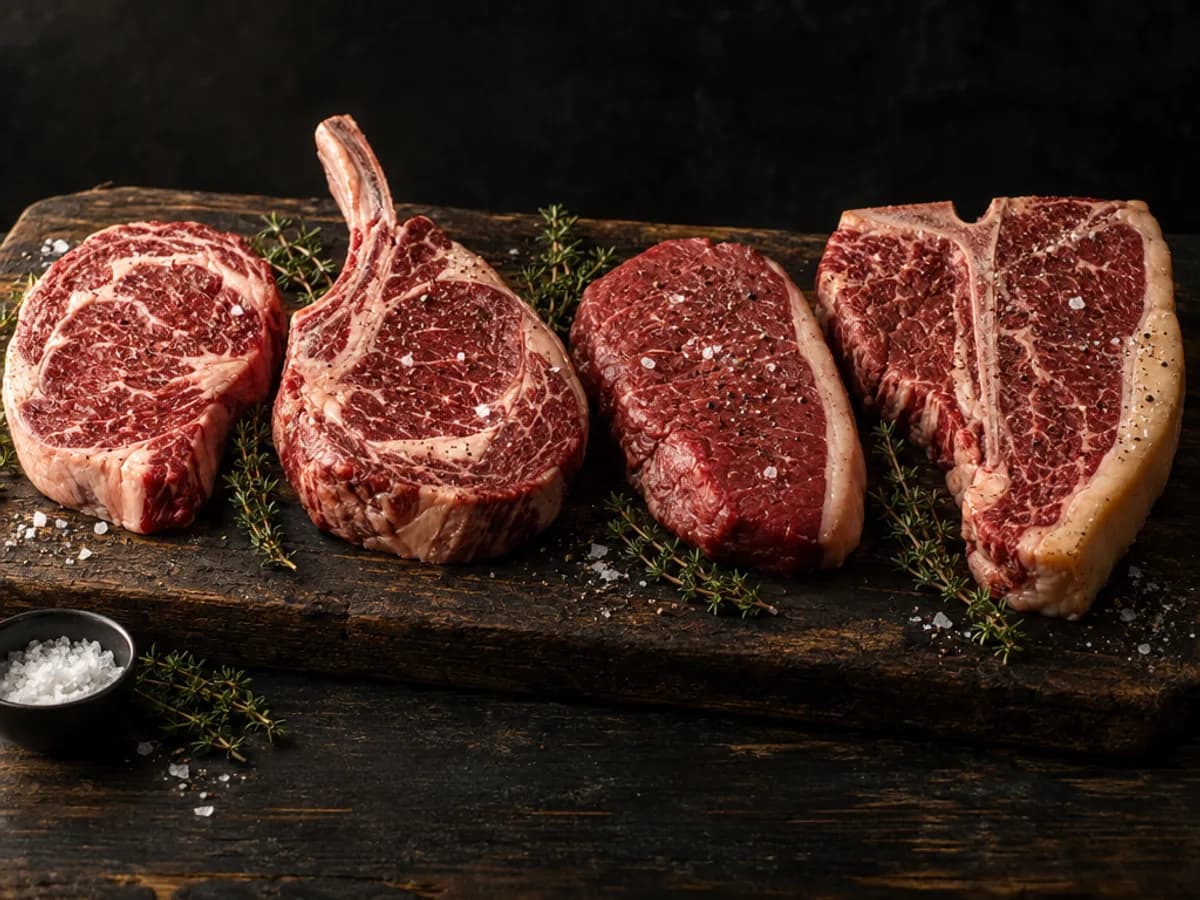
Stand in front of a full steak cabinet and the choice can feel endless. In practice, most of what people buy comes down to four cuts. Here is what separates them, and how to get the best from each one.
Scotch Fillet
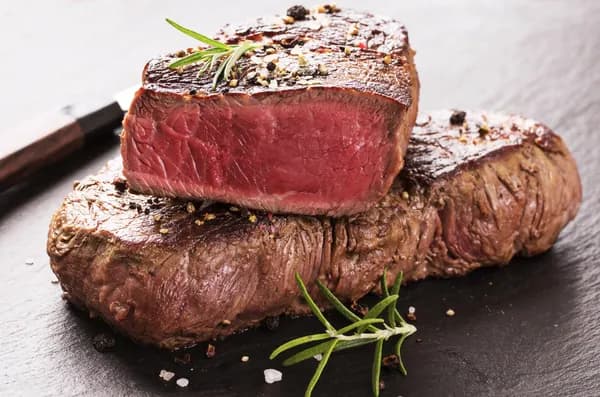
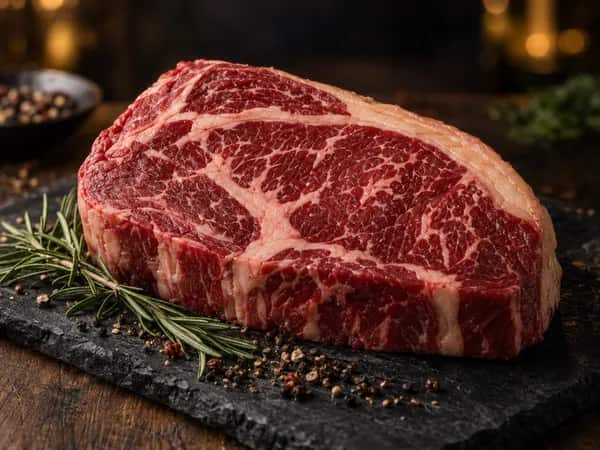
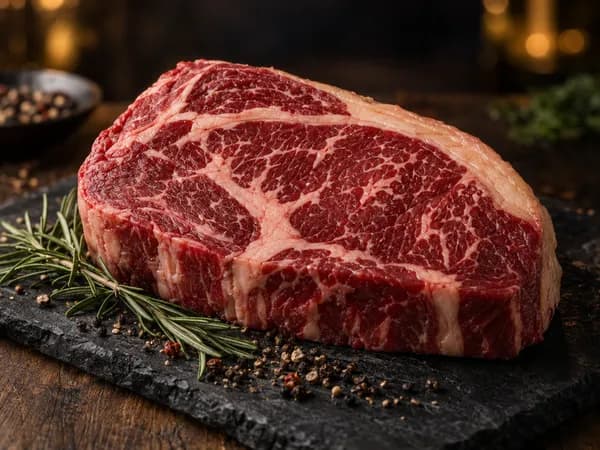
Scotch fillet is the boneless eye of the rib, the same muscle that runs along the top of the rib cage. It carries more marbling than any other everyday steak, plus a small seam of fat through the middle, and that is where the flavour comes from. It is tender, juicy and forgiving.
Cook it hot and fast in a heavy pan or over a hot barbecue. Aim for medium-rare to medium, which gives the fat a chance to soften and melt. A 2.5cm scotch fillet takes about two to three minutes a side for medium-rare.
Rib Eye
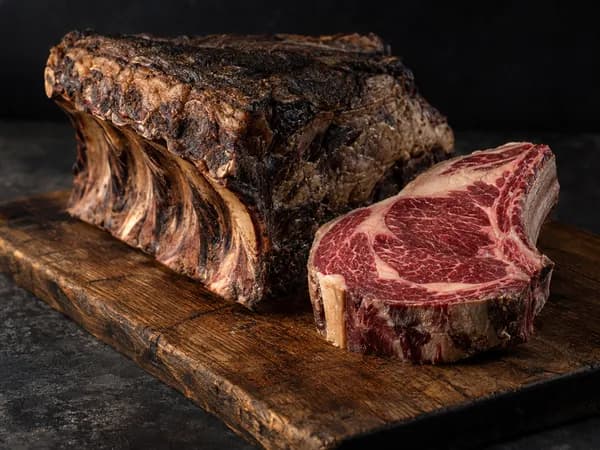
A rib eye is the scotch fillet with the rib bone left on. Same muscle, same marbling, but the bone protects the meat next to it and adds a little flavour while it cooks. Rib eyes are usually cut thicker, so they suit a sear in the pan followed by a few minutes in a hot oven, or the reverse sear method for really thick ones.
It is a steak for an occasion. One thick rib eye, sliced off the bone, will often feed two.
Rump
Rump comes from the hip, a hard-working area, so it has a firmer texture and a deeper, beefier flavour than the rib cuts. It is made up of several muscles, and a good butcher will cut along them so each steak eats evenly.
Rump is excellent value and loves a marinade or a dry rub. Do not cook it past medium, give it a proper rest, and always slice it across the grain. That last step makes more difference to rump than to any other steak.
Porterhouse
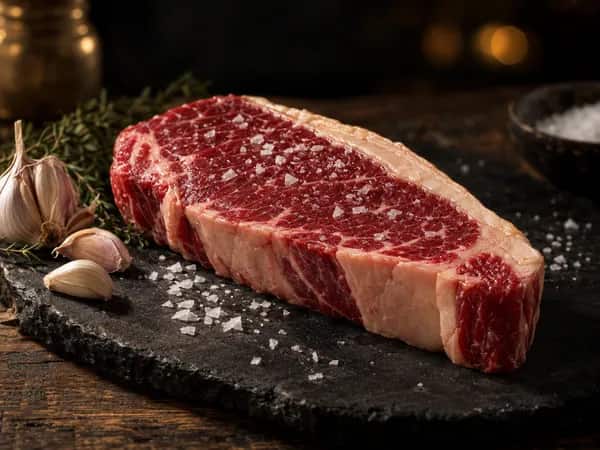
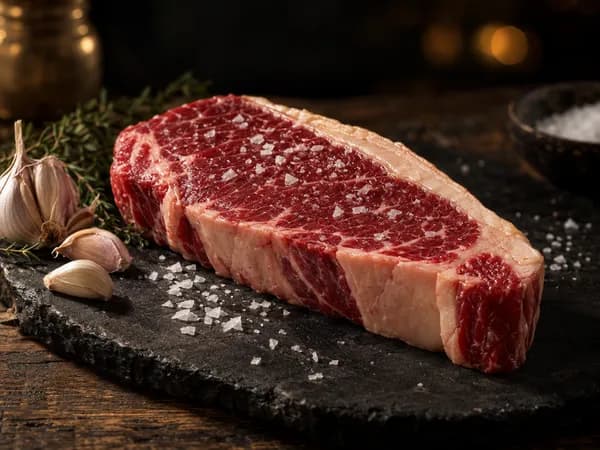
In Australia, porterhouse is the boneless strip loin, also called sirloin or New York cut. It sits further back along the spine than the scotch fillet, so it is leaner, with a tight grain, a satisfying chew and a strip of fat along one edge.
Before you lay it flat, stand the steak on its fat edge in the hot pan for a minute or two. The fat renders and crisps, and gives you a little beef dripping to cook the rest in. Then cook it like a scotch fillet.
Which One Should You Buy?
- For the most flavour and the easiest cook: scotch fillet.
- For an occasion, and something to share: rib eye.
- For big flavour at a lower cost per kilo: rump.
- For a leaner steak with good chew: porterhouse.
Whatever you choose, use a thermometer if you are unsure: 52 to 55°C in the centre for medium-rare, about 60°C for medium. Our guide to cooking the perfect steak covers the pan, the baste and the rest, and the free Steak Guide has the full temperature chart.
Ask at the counter and we'll cut any of these to the thickness you want.