 Illustration
Dry ageing is one of the oldest ways to make good beef even better. It is also one of the most misunderstood. Here is what actually happens, as a general topic, and what it means when you come to eat it.
What Ageing Does
All beef is aged to some degree. After processing, natural enzymes in the meat slowly start to break down the proteins in the muscle. Over days and weeks this makes the meat more tender. The question is how it is aged.
Wet Ageing
Most beef sold today is wet aged. The meat is sealed in vacuum bags and kept cold for anywhere from a week to several weeks. The enzymes do their work and the meat becomes more tender, but because it is sealed, it keeps its moisture and its flavour stays much the same: fresh, clean and beefy.
Dry Ageing
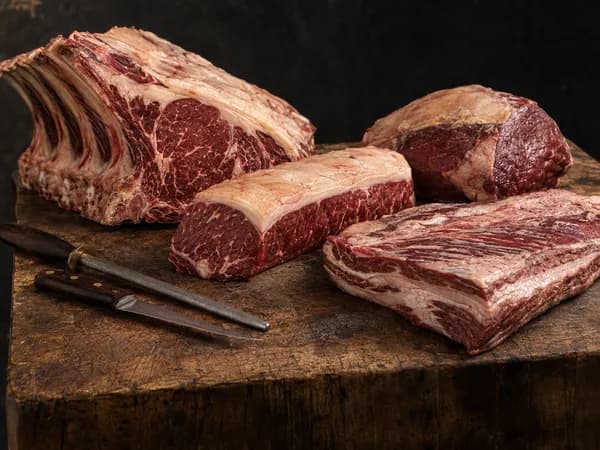
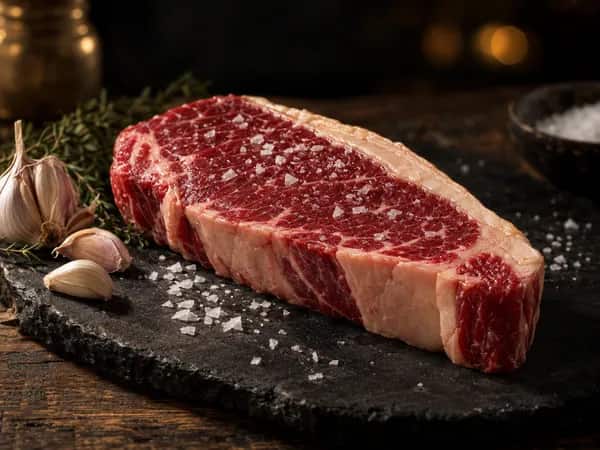
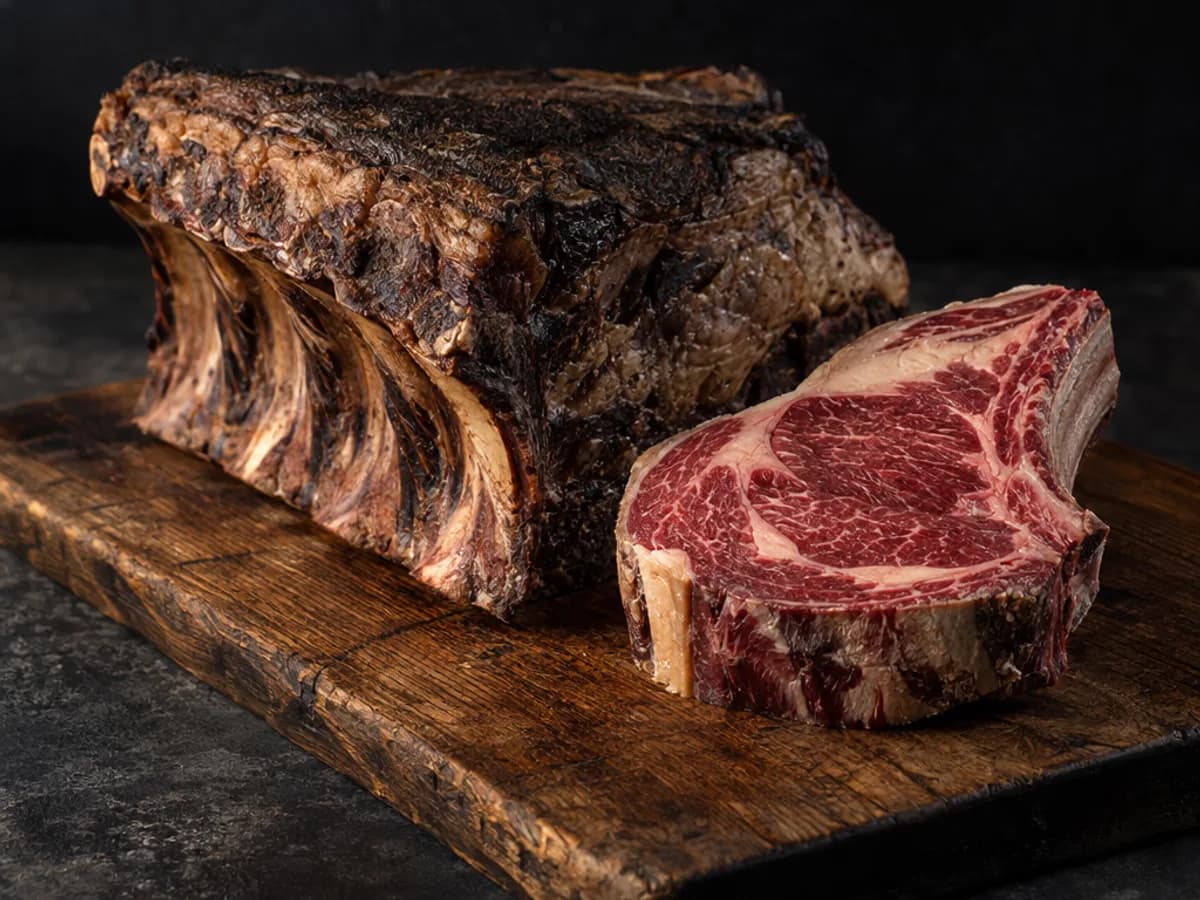
Dry ageing is done without a bag. Whole sections of beef, usually bone-in ribs or striploins, are hung or placed on racks in a dedicated cool room. The temperature is held just above freezing, usually around 1 to 3°C, with controlled humidity and constant airflow. The beef stays there for weeks: commonly three to six, and sometimes longer.
Two things happen at once:
- Tenderising: the same enzyme work as wet ageing, over a longer time.
- Concentrating: moisture slowly evaporates from the meat, so the flavour becomes deeper and more intense.
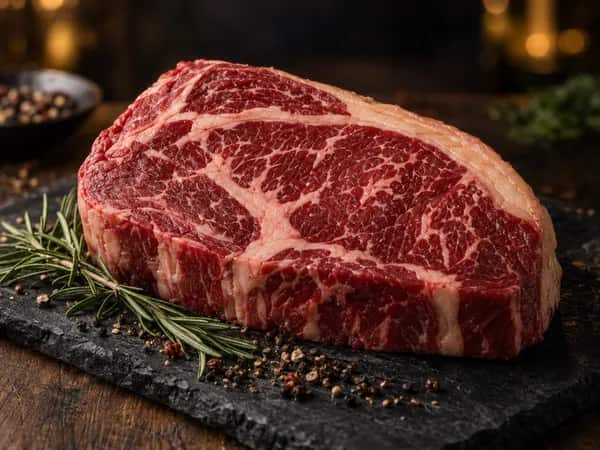
The outside of the beef forms a dark, hard crust. That crust is trimmed away before the meat is cut into steaks, and it is one reason dry ageing costs more. Between the water lost and the trimming, a fair amount of the original weight never makes it to the plate. Add the weeks of space in a cool room, and you can see where the price comes from.
What It Tastes Like
Beef that has been through dry ageing tastes richer and more concentrated than fresh beef. People often describe it as nutty or buttery, a little like roast beef dripping. The longer the ageing, the stronger those notes get. Very long-aged beef can develop flavours some compare to blue cheese, which people tend to either love or avoid.
The texture is tender, but with a pleasant density, not soft.
Can You Do It at Home?
Not safely in an ordinary fridge. Proper dry ageing needs steady, controlled temperature, humidity and airflow, along with whole bone-in sections rather than individual steaks. Leaving a steak uncovered in the fridge for a day or two is a good way to dry the surface for a better sear, but it is not dry ageing.
How to Cook It
Treat it like any premium steak, with a few small adjustments:
- It browns faster, because it holds less water. Watch the pan.
- It has a concentrated flavour, so keep the seasoning simple: salt, pepper, maybe a little butter.
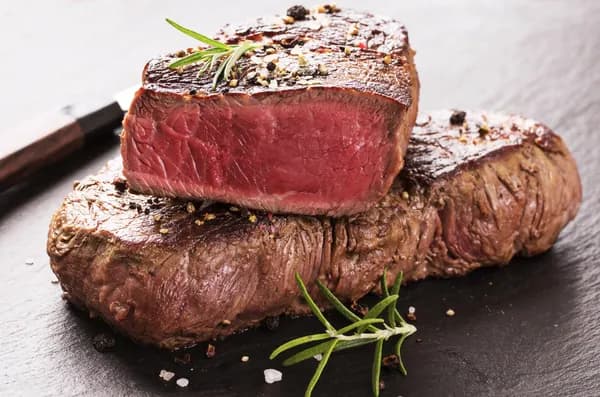
- Cook it to medium-rare, 52 to 55°C, to taste it at its best.
- Rest it as you would any steak.
For thick bone-in steaks, the reverse sear works beautifully. If you want to know how a particular steak in the cabinet has been aged, just ask at the counter.