How a Butcher Breaks Down a Carcass
By The Dublin Butcher · · 3 min read
 Illustration
Every steak, chop and roast in a butcher's cabinet started as part of a whole animal. Understanding how that animal is taken apart is the easiest way to understand why some cuts are tender, why others need slow cooking, and why they are priced so differently.
The One Rule That Explains Everything
Muscles that work hard, like the shoulders, legs, neck and chest, are full of flavour and connective tissue. They suit slow cooking: braising, stewing and slow roasting.
Muscles that do little work, mostly those along the back, are tender. They suit fast, hot cooking: grilling, pan-frying and roasting to pink.
Keep that in mind and you can work out how to cook almost any cut, even one you have never seen before.
Beef
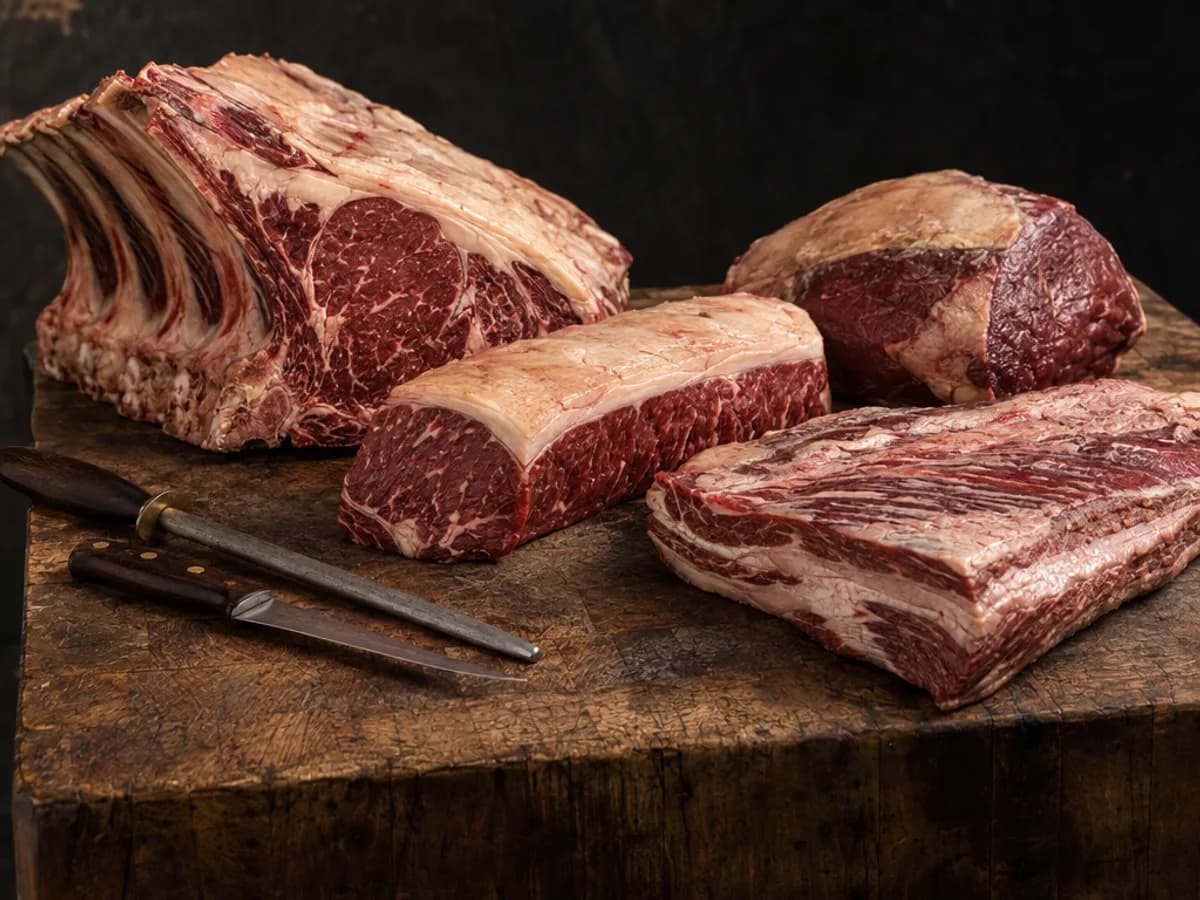
A beef carcass is first split down the spine into two sides. Each side is then divided between the ribs into a forequarter and a hindquarter. These are cut into large sections called primals, and the primals into the cuts you buy.
The forequarter does most of the work, carrying the weight of the head and chest:
- Chuck and blade: stewing steak, mince, and flat iron or oyster blade.
- Brisket: slow cooking, smoking and corned beef.
- Shin: osso buco and rich braises.
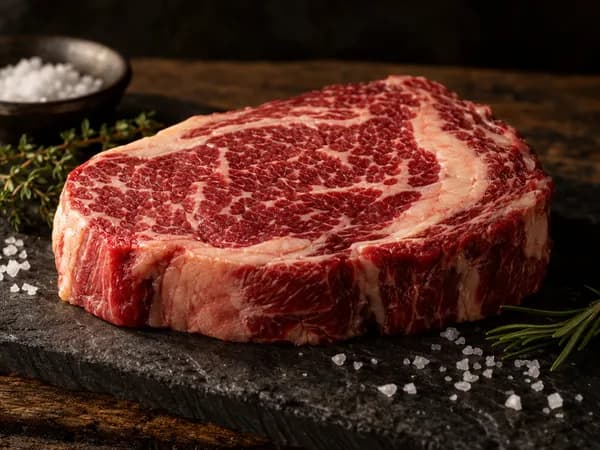
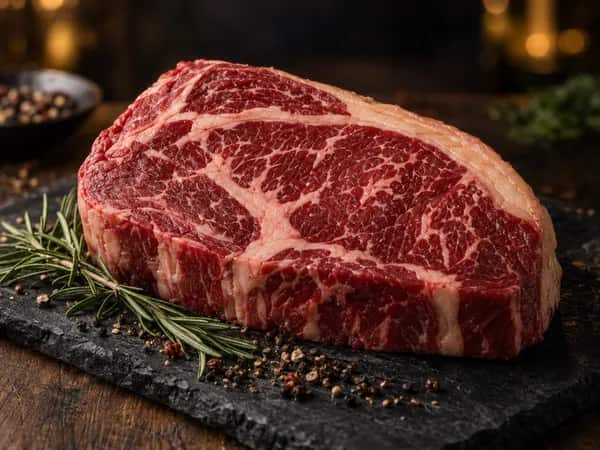
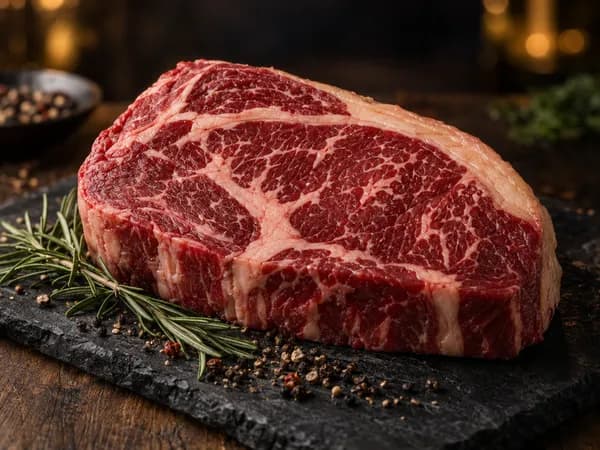
- The rib set: scotch fillet, rib eye and standing rib roast. The exception to the rule, as these back muscles are tender.
The hindquarter holds most of the steak:
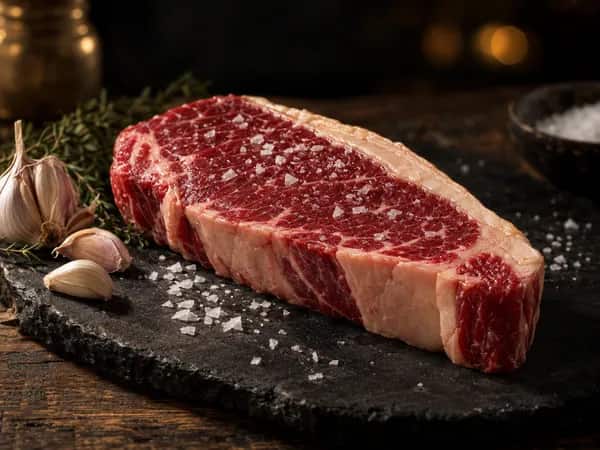
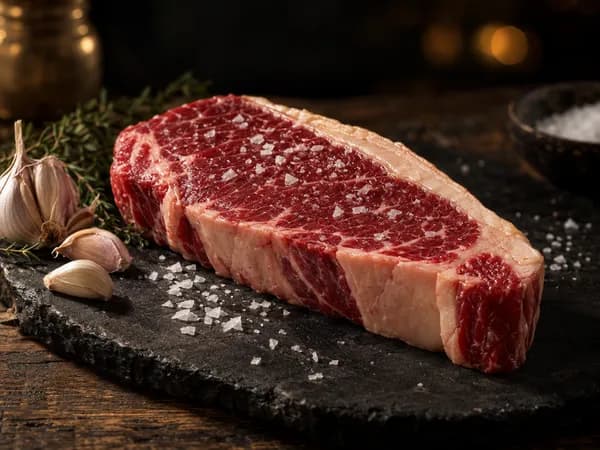
- Striploin: porterhouse, sirloin, New York steak and T-bone.
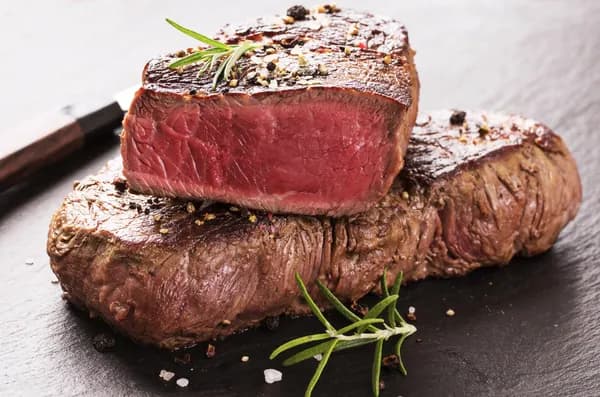
- Tenderloin: eye fillet, the most tender muscle of all.
- Rump: rump steak, rump cap and roasts.
- The leg, or round: topside, silverside and knuckle, for roasts, minute steaks and corned silverside.
- Flank and skirt: full-flavoured steaks for quick, hot cooking, sliced thinly.
Lamb
A lamb is small enough to be broken down into just a handful of primals:
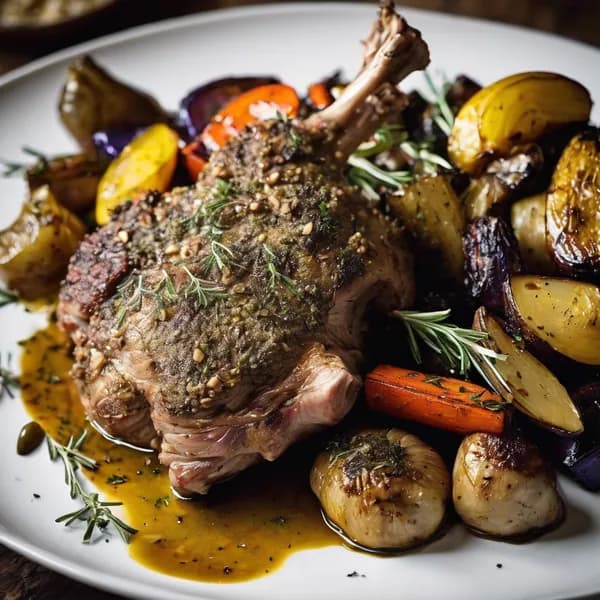
- Shoulder: slow roasts, diced lamb and shoulder chops.
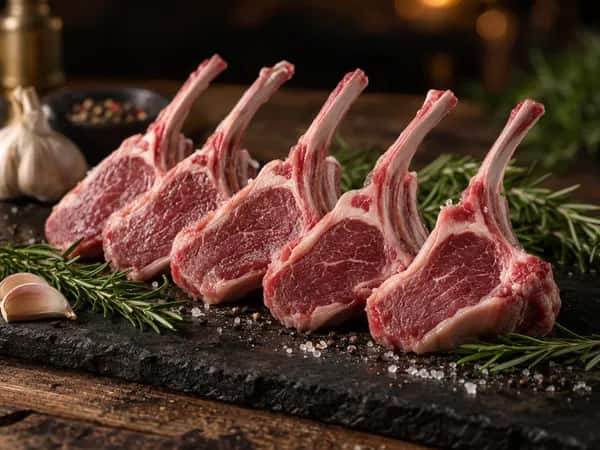
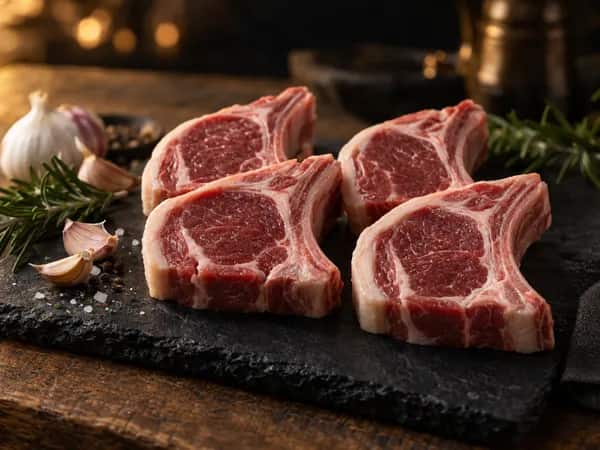
- Rack: cutlets and racks for roasting.
- Loin: loin chops, backstrap and noisettes.
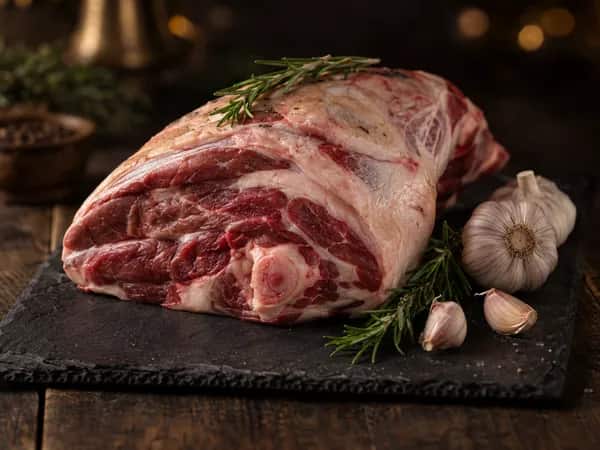
- Leg: roasts, butterflied leg, chump chops and steaks.
- Shanks, neck and breast: braising, slow cooking and stews.
Pork
- Shoulder and neck: pulled pork, pork scotch fillet steaks and roasts.
- Loin: chops, cutlets and the loin roast.
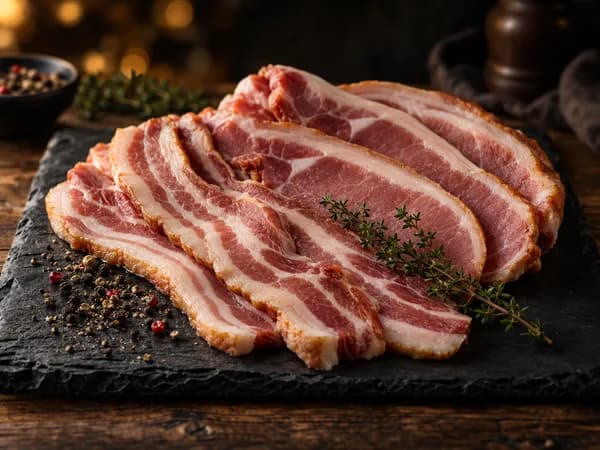
- Belly: roasting, crackling, ribs and streaky bacon.
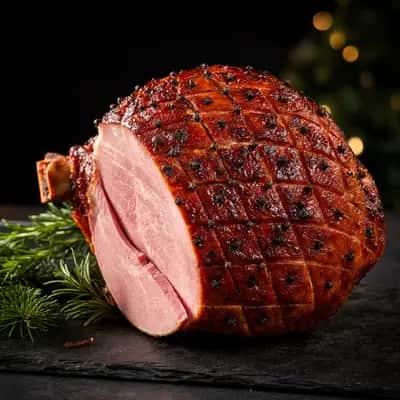
- Leg: big roasts, gammon and ham.
The Tools
A butcher works mostly with a boning knife for following bones and seams, a long steak knife for slicing, a steel to keep the edge, and a bandsaw for cutting through bone. A lot of modern butchery is seam work: separating whole muscles along their natural lines so each one can be cooked the way it suits best.
Why It Matters to You
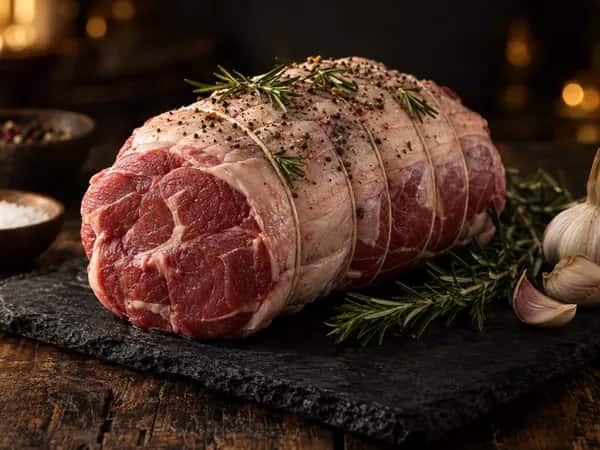
Knowing where a cut comes from lets you ask for exactly what you need. Want a rump cut along the seams, a brisket with the fat trimmed, or a shoulder boned and rolled? A butcher can do that.
The free Beef Guide, Lamb Guide and Pork Guide each show the full animal with every cut marked. Ask at the counter and we'll cut to order.