Grain-Fed or Grass-Fed Beef: How They Differ on the Plate
By The Dublin Butcher · · 3 min read
 Illustration
Two words on a beef label, grain-fed and grass-fed, tell you a lot about how a steak will look, taste and cook. Here is what each one means as a general topic, and why neither is simply better than the other.
Where Both Start
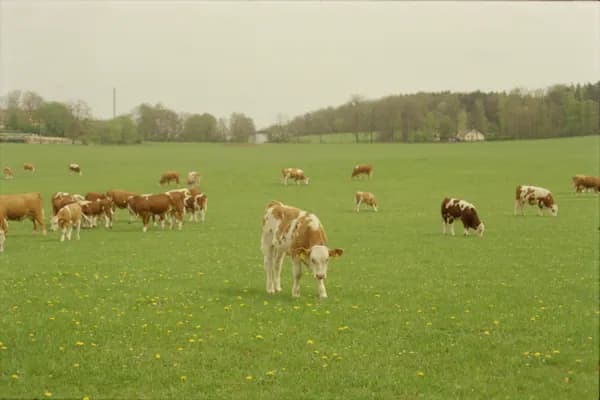
In Australia, almost all beef cattle spend most of their lives on pasture, eating grass. The difference comes at the end, in the months before processing.
Grain-Fed
Grain-fed cattle are moved from pasture onto a diet based on grain, such as barley, wheat or sorghum, for a set period before processing. That period is often around 100 days, and can be much longer for premium programs. Grain is energy-dense, so the animals put on weight and, in particular, more intramuscular fat.
On the plate, grain-fed beef tends to have:
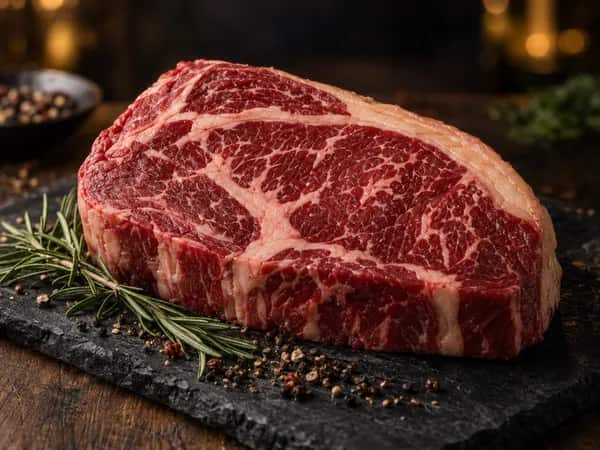
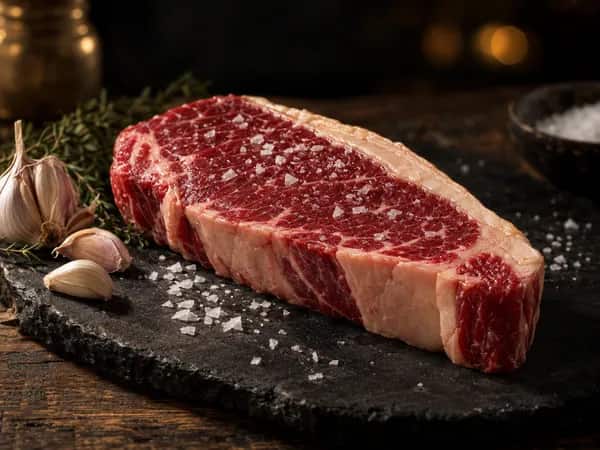
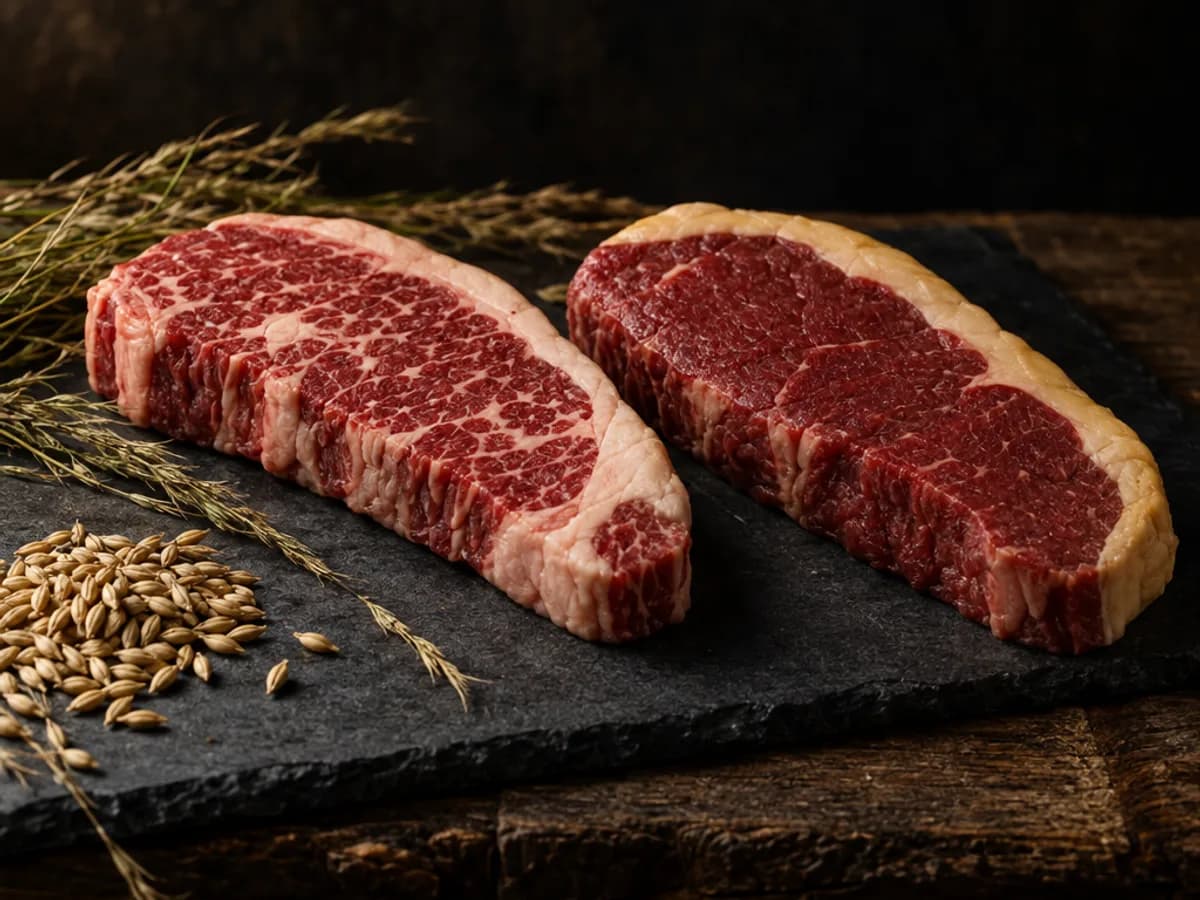
- More marbling, and finer marbling.
- Whiter fat.
- A rich, buttery, slightly sweet flavour.
- A softer texture.
Grass-Fed
Grass-fed beef comes from cattle that stay on pasture right through to processing. Their diet depends on the season and the country, so the beef can vary more from one time of year to the next.
Grass-fed beef tends to have:
- Less marbling, so it is leaner.
- Creamier or more yellow fat, from the beta-carotene in green grass.
- A more mineral, savoury, beefy flavour that some people describe as earthy.
- A slightly firmer texture.
Which Is Better?
Neither. It comes down to what you like and what you are cooking. Many people love grain-fed for a rich scotch fillet and grass-fed for a roast or a rump with real beef character. The best way to find out is to try the same cut of each side by side.
How to Cook Each One
Grain-fed beef is forgiving thanks to its marbling. Cook it to medium-rare or medium, 55 to 60°C in the centre, so the fat has a chance to melt.
Grass-fed beef is leaner, so it cooks a little faster and dries out sooner if it is overdone. Aim one step rarer than usual, use a thermometer, rest it well, and a butter baste in the last minute helps. For slow cooking, both work beautifully.
Reading the Label
"Grain-fed" claims in Australia are often tied to a minimum number of days on grain, and "grass-fed" claims to the animal staying on pasture. Certification schemes exist for both. If a label matters to you, ask the person selling the beef what it means for that particular product.
We cover the grass-fed side in more depth in Grass-Fed Beef: What It Is and How to Cook It, and marbling in What Marbling Means. Ask at the counter about any cut in the cabinet.