What Marbling Means, and Why It Matters
By The Dublin Butcher · · 3 min read
 Illustration
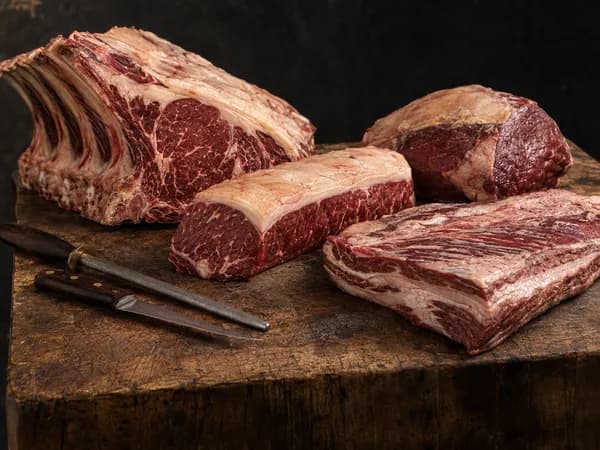
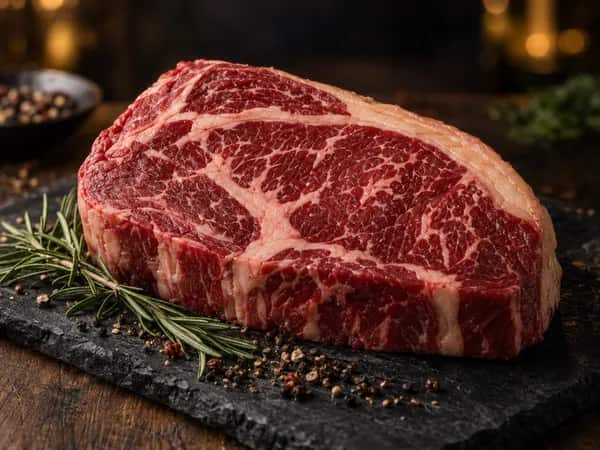
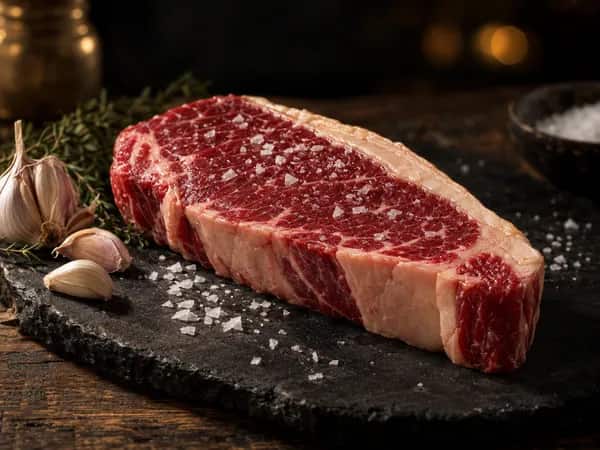
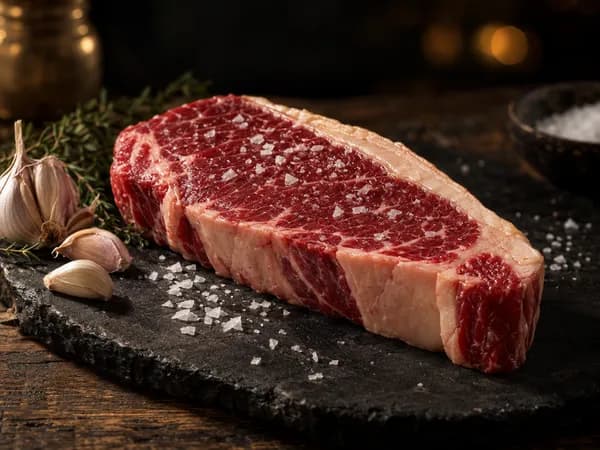
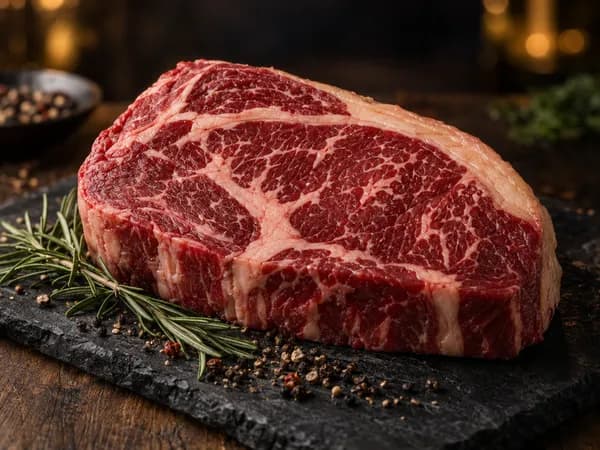
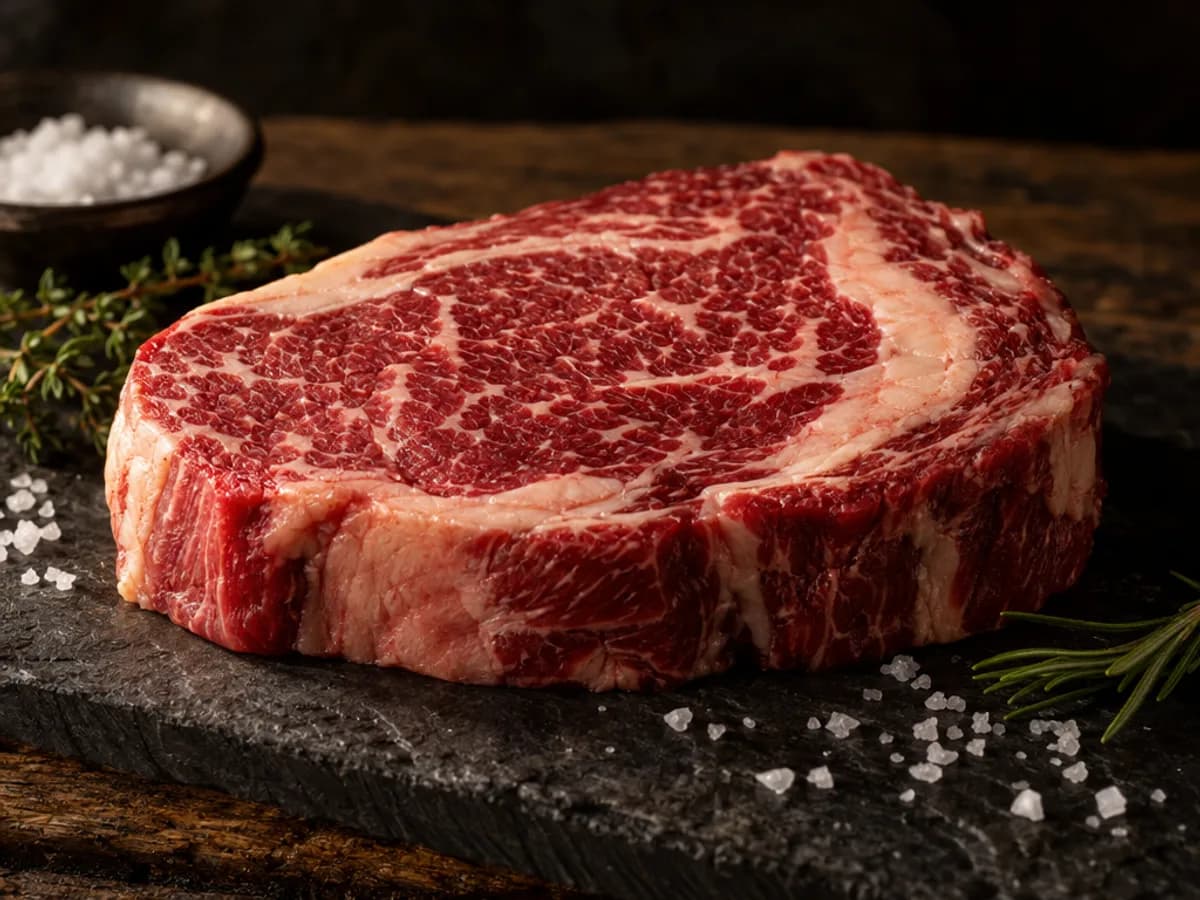
Look closely at a good steak and you will see fine white streaks running through the red meat, like the veins in a piece of marble. That is marbling, and it has more to do with how a steak eats than almost anything else.
What Marbling Is
Marbling is fat that sits inside the muscle itself, between the fibres. Butchers call it intramuscular fat. It is different from the thick layer of fat on the outside of a cut, and from the seams of fat that run between whole muscles. You can trim those. Marbling is part of the meat.
Why It Matters
Marbling melts at a fairly low temperature. As a steak cooks, those fine threads soften and baste the meat from the inside. That gives you three things:
- Juiciness: the melted fat keeps every bite moist.
- Flavour: much of what we think of as beefy flavour is carried in the fat.
- Tenderness: the fat separates the muscle fibres, so the meat feels softer to bite.
Which Cuts Have the Most
Marbling varies from muscle to muscle. The rib section, where scotch fillet and rib eye come from, is usually the most marbled of the everyday steaks. Porterhouse sits a little behind it. Eye fillet is very tender but naturally lean, which is why it tastes milder. Rump and the cuts from the leg tend to have less.
Marble Scores
In Australia, beef can be graded for marbling against a standard reference chart, which gives it a marble score. The more marbling, the higher the number, with heavily marbled wagyu at the top end. Breed, feed, age and genetics all affect how much marbling an animal develops. Grain finishing tends to increase marbling, which is one of the differences explained in our post on grain-fed and pasture-raised beef.
How to Cook Marbled Beef
- Do not trim it. The marbling is the point.
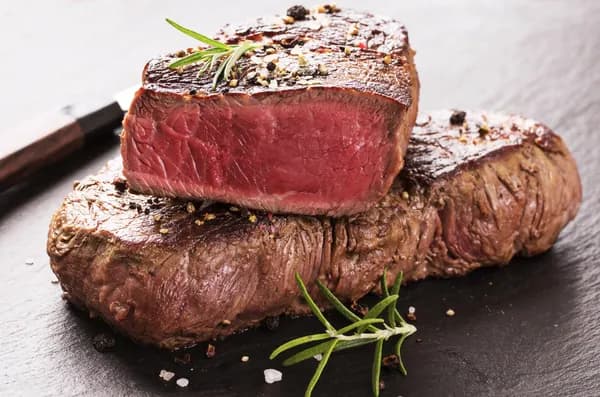
- Cook it to medium-rare or medium, 55 to 60°C in the centre. Too rare and the fat stays waxy rather than melting.
- Use a hot pan to build a crust, then let it rest so the softened fat settles back through the meat.
- Very highly marbled beef is rich. Slice it thinly and serve smaller portions.
Leaner cuts are the opposite: they are best kept a little rarer, as there is less fat to protect them from drying out.
How to Spot It
When you are choosing a steak, look for fine, evenly spread flecks of white through the whole face of the meat, rather than one or two thick streaks. Fine and even is what you want.
Come and have a look in the cabinet. We're always happy to show you the difference between two steaks side by side.