Free cooking guide
The Beef Guide
Every cut on the counter: where it comes from and what to do with it.
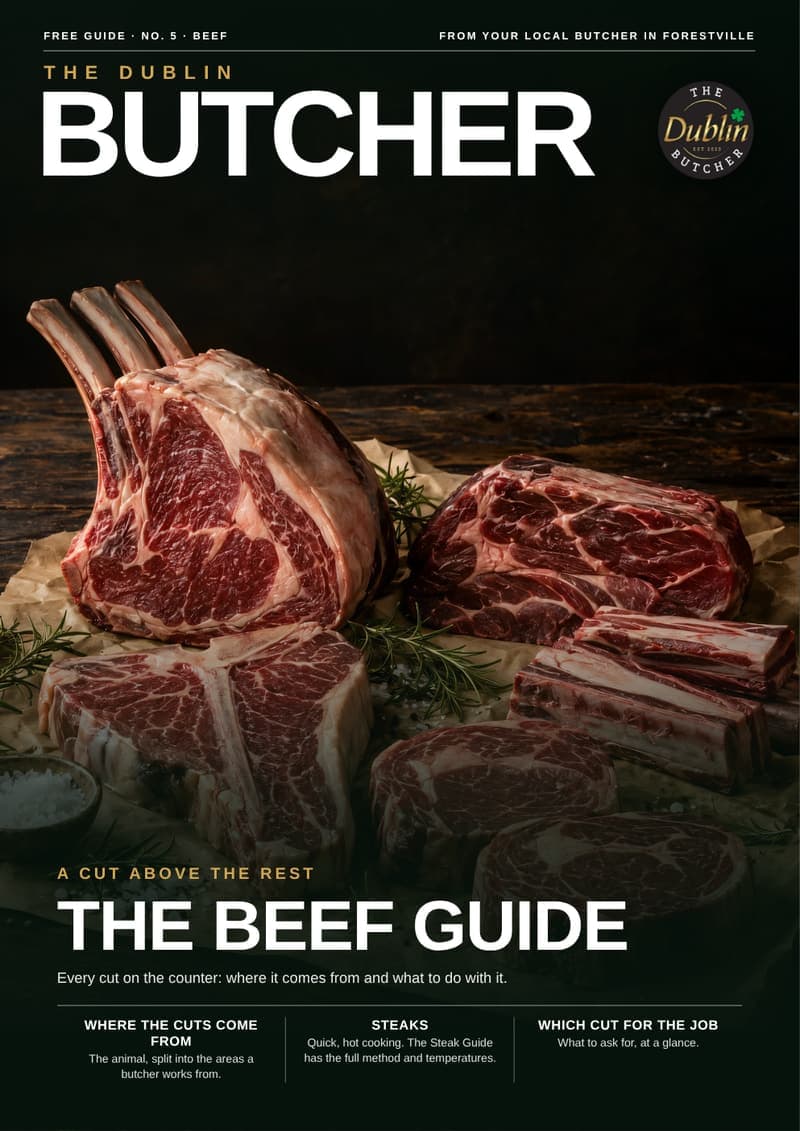
Every beef cut behaves differently because of where it comes from. The muscles along the back do little work, so they are tender and cook quickly. The shoulder, legs and shin work hard all day, so they are full of flavour and need slow, gentle cooking. Once you know where a cut sits, you know how to cook it.
Get the printable PDF
The whole guide, designed to print or keep on your phone. Pop in your email and we'll send you the link.
 Illustration
Part 1
Where the cuts come from
The animal, split into the areas a butcher works from.
- 1Neck and chuck (shoulder)Chuck steak
- 2RibScotch fillet, Standing rib roast
- 3Loin (sirloin and fillet)Eye fillet, New York, T-bone, Eye fillet roast
- 4RumpRump, Rump cap
- 5Leg (topside, silverside)Veal schnitzel
- 6Brisket
- 7Short ribs, plate and flankShort ribs
- 8Shin (osso buco)Osso buco
A simple rule: the further a cut is from the middle of the back, the harder that muscle worked, the more connective tissue it has, and the longer and gentler it needs to cook. Cooked slowly, that connective tissue melts and turns the meat soft and rich.
Part 2
Steaks
Quick, hot cooking. The Steak Guide has the full method and temperatures.
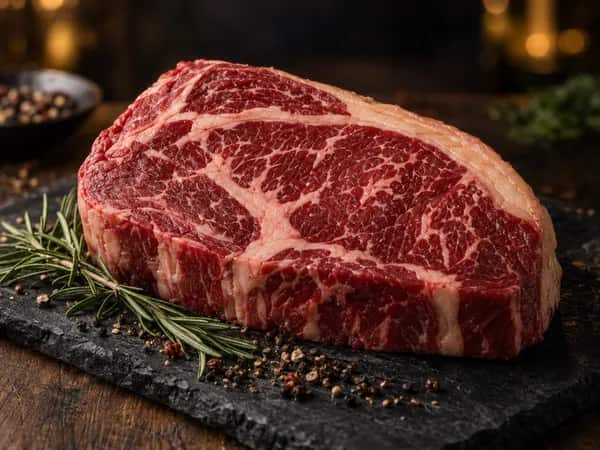
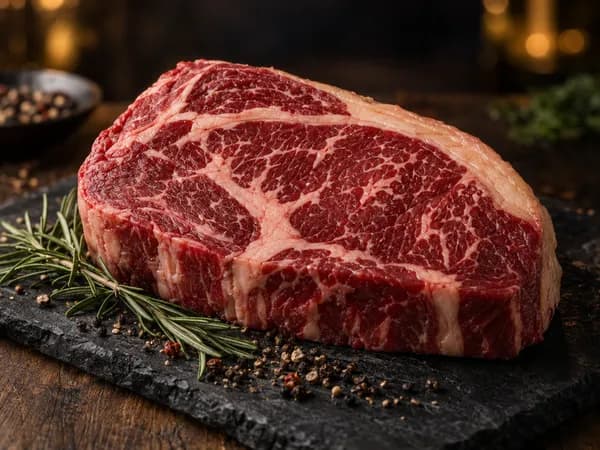
Scotch fillet
Also called ribeye (off the bone)
From The rib section, along the top of the back just behind the shoulder.
TendernessVery tender
FatRich, well marbled
- Best for
- Rich flavour and a forgiving cook. The all-rounder.
- How to cook it
- Hot pan or barbecue, to medium-rare or medium.
Rump
From The rump, at the top of the back leg, where the back meets the hip.
TendernessTender
FatSome fat
- Best for
- Big beefy flavour with a little more chew. Great value for a crowd.
- How to cook it
- Pan or barbecue, then slice thinly across the grain.
Eye fillet
Also called tenderloin
From The tenderloin, a long muscle tucked under the backbone in the loin. It does almost no work, so it is very tender.
TendernessThe most tender
FatLean
- Best for
- The most tender steak, lean and mild. A special occasion steak.
- How to cook it
- A short, very hot sear, to medium-rare or medium.
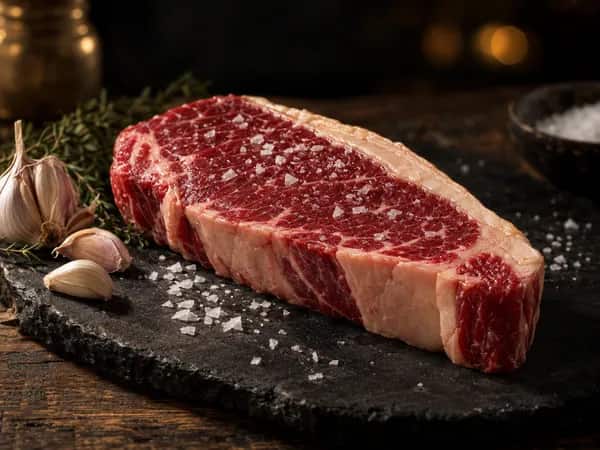
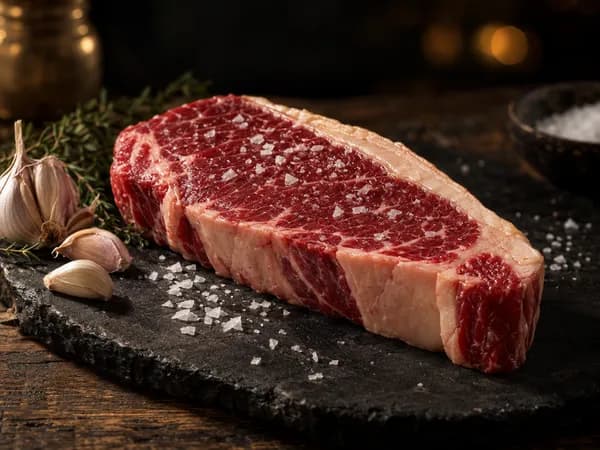
New York
Also called sirloin or porterhouse
From The sirloin (striploin), along the middle of the back in the loin.
TendernessVery tender
FatSome fat
- Best for
- A firm, fine texture with a strip of fat along one edge.
- How to cook it
- Crisp the fat edge first, then cook the faces.
T-bone
From The loin, cut across the backbone, so it has sirloin on one side and fillet on the other.
TendernessVery tender
FatSome fat
- Best for
- Two steaks in one: sirloin on one side of the bone, a little fillet on the other.
- How to cook it
- Keep the fillet side towards the cooler part of the grill.
Rump cap
Also called picanha
From The top of the rump, the muscle that sits under the thick layer of fat.
TendernessTender
FatRich, well marbled
- Best for
- Juicy, full of flavour, with a thick cap of fat. Made for the barbecue.
- How to cook it
- Fat side down first, then slice into steaks.
Part 3
Roasts
Big pieces for the oven, cooked to temperature and rested.
Standing rib roast
Also called rib roast on the bone
From The rib section: the scotch fillet with its rib bones left on.
TendernessVery tender
FatRich, well marbled
- Best for
- A showpiece roast for a crowd. Rich, juicy and easy to carve between the bones.
- How to cook it
- Brown it in a hot oven, then roast gently to temperature (the Roast & Christmas Guide has the figures). Allow about one rib for every two people.
Eye fillet roast
Also called whole tenderloin
From The tenderloin, the long muscle under the backbone in the loin.
TendernessThe most tender
FatLean
- Best for
- An elegant roast that slices beautifully. Lean, so it needs care.
- How to cook it
- Tie it so it cooks evenly, sear it all over, then roast hot and fast. Take it out at medium-rare and rest it.
Part 4
Slow cooking
Hard-working cuts that turn meltingly tender with time.
Chuck steak
From The chuck, the shoulder of the animal, with plenty of connective tissue.
TendernessNeeds slow cooking
FatSome fat
- Best for
- Stews, pies and braises. Full of flavour.
- How to cook it
- Brown it in batches, then cook it covered and slowly, about 2 to 2½ hours, until a fork slides in.
Short ribs
From The ribs, lower down the side of the animal.
TendernessNeeds slow cooking
FatRich, well marbled
- Best for
- Rich, sticky braises.
- How to cook it
- Brown them, then braise covered for 3 to 3½ hours, until the meat comes away from the bone.
Osso buco
From The shin, cut across the bone, so each piece has the marrow in the middle.
TendernessNeeds slow cooking
FatLean
- Best for
- Italian-style braises. The marrow enriches the sauce.
- How to cook it
- Brown it, then braise gently with wine and stock for 2 to 2½ hours.
Part 5
Mince, burgers, sausages and veal
The quick weeknight end of the counter.
Lean beef mince
From Trimmings from several cuts, minced.
FatLean
- Best for
- Bolognese, meatballs, tacos, cottage pie and burgers.
- How to cook it
- Brown it in a hot pan in batches, so it fries rather than stews. Always cook mince right through, to 75°C.
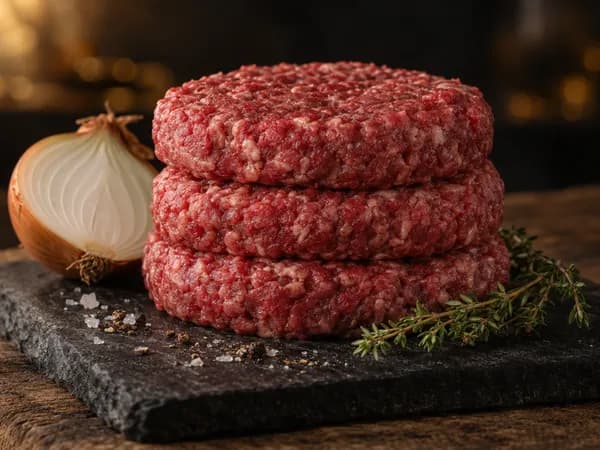
Beef burgers
From Beef mince, shaped into patties.
FatSome fat
- Best for
- The barbecue and quick dinners.
- How to cook it
- A medium-hot barbecue or pan, turned once or twice, cooked to 75°C in the centre.
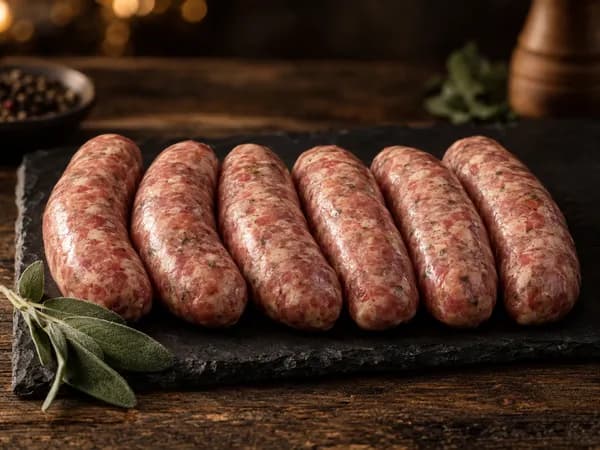
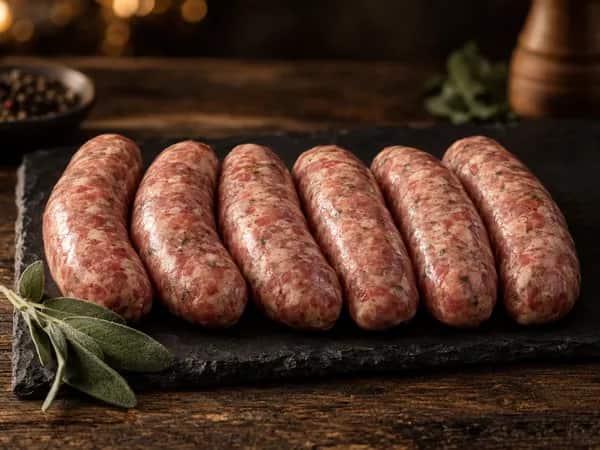
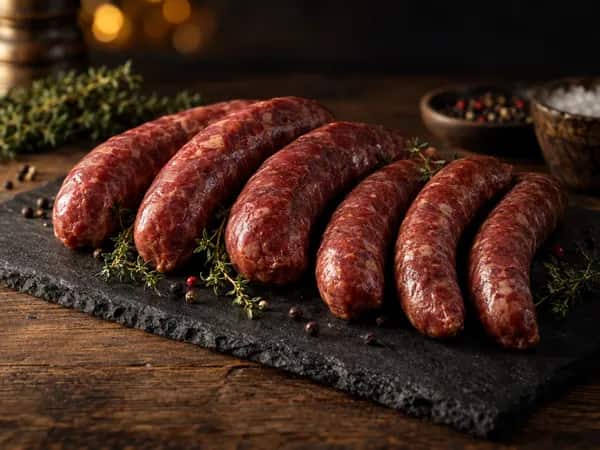
Beef sausages
Comes as: Thick or thin
From Seasoned beef mince in a casing.
FatSome fat
- Best for
- Thick for the barbecue; thin for the kids, hot dogs and breakfast.
- How to cook it
- Medium heat, turned often, never pricked. Done at 75°C in the centre.
Veal schnitzel
From Thin slices of veal (young beef), usually from the leg.
TendernessVery tender
FatLean
- Best for
- A quick dinner, crumbed and pan-fried, or with a simple sauce.
- How to cook it
- Thin, so it cooks in a few minutes a side in a hot pan with a little oil.
Part 6
Which cut for the job
What to ask for, at a glance.
| You are cooking | Ask us for |
|---|---|
| A special steak | Eye fillet or scotch fillet |
| Steak for a crowd | Rump or rump cap |
| A Sunday roast | Standing rib roast or eye fillet |
| Stews and pies | Chuck steak |
| A slow braise | Short ribs or osso buco |
| A quick weeknight dinner | Mince, burgers or sausages |
Keep it in the kitchen
The Beef Guide as a printable PDF, free. We'll email you a link to download it.
More free guides
 The Steak GuidePick the cut, cook it right, rest it, slice it.
 The Roast & Christmas GuideBeef, lamb, pork with crackling, the ham and the turkey.
 The BBQ GuideHow much to buy, and how to cook it for a crowd.
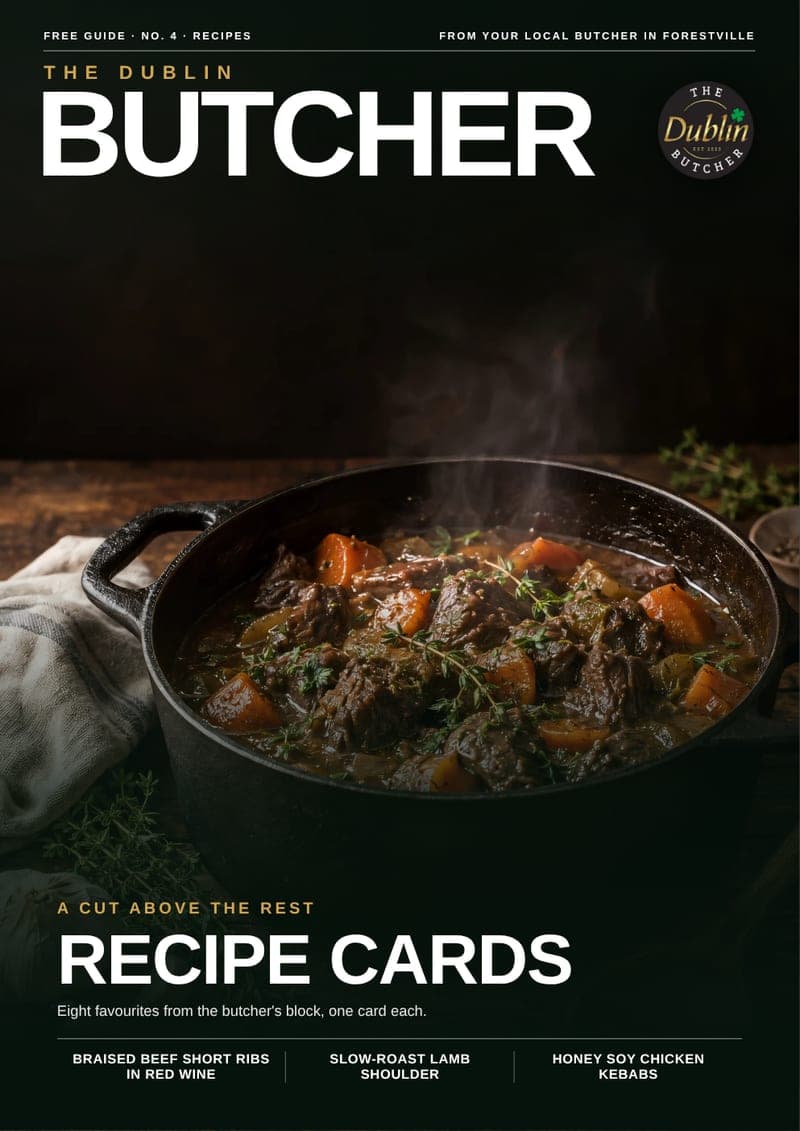 Recipe CardsEight favourites from the butcher's block, one card each.
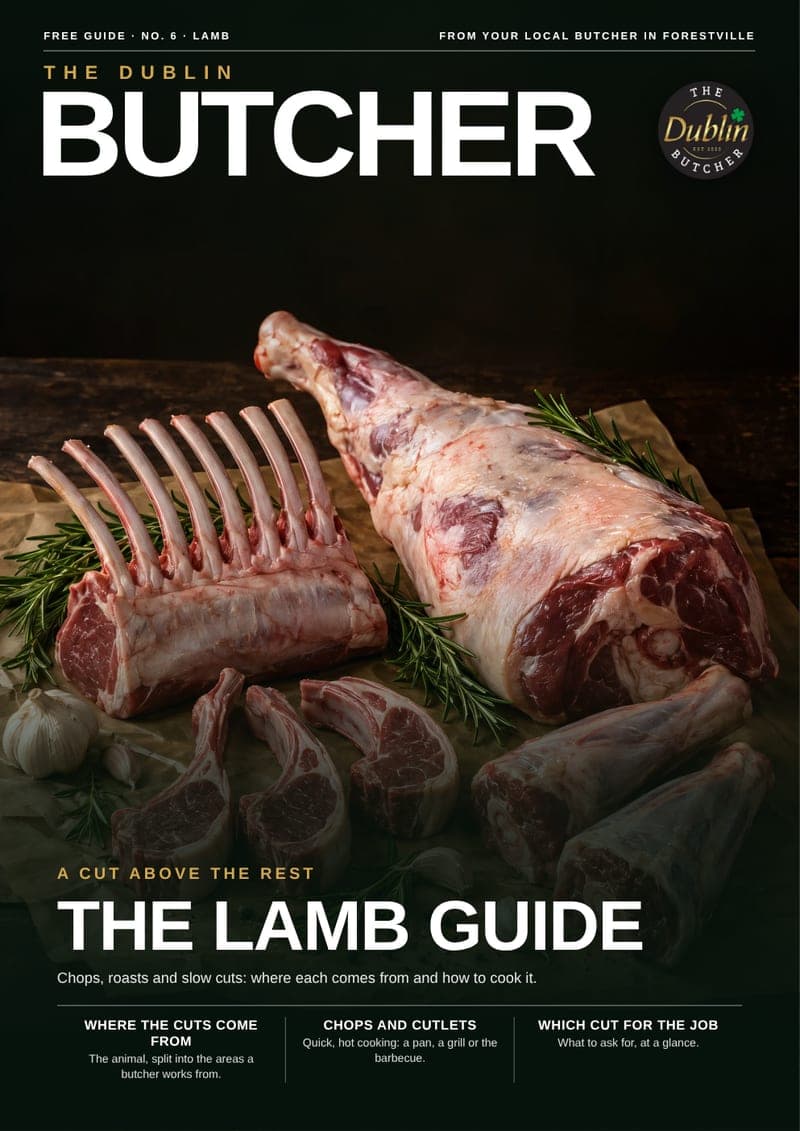 The Lamb GuideChops, roasts and slow cuts: where each comes from and how to cook it.
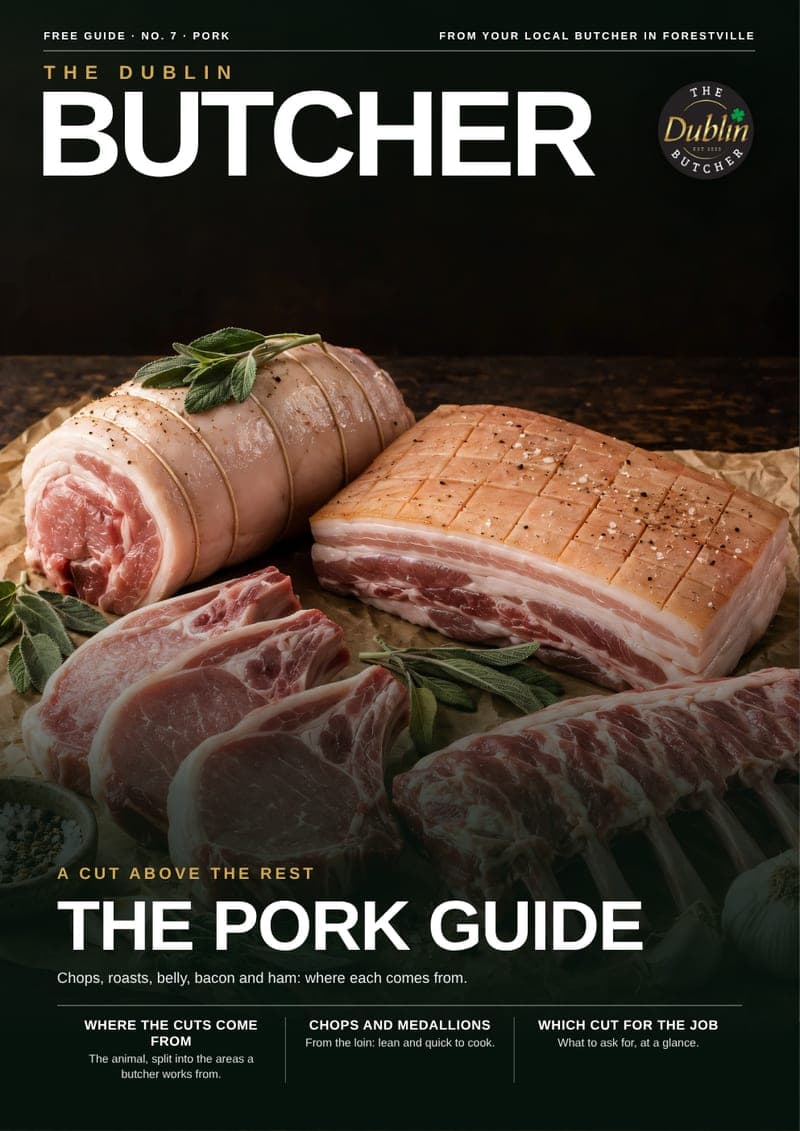 The Pork GuideChops, roasts, belly, bacon and ham: where each comes from.
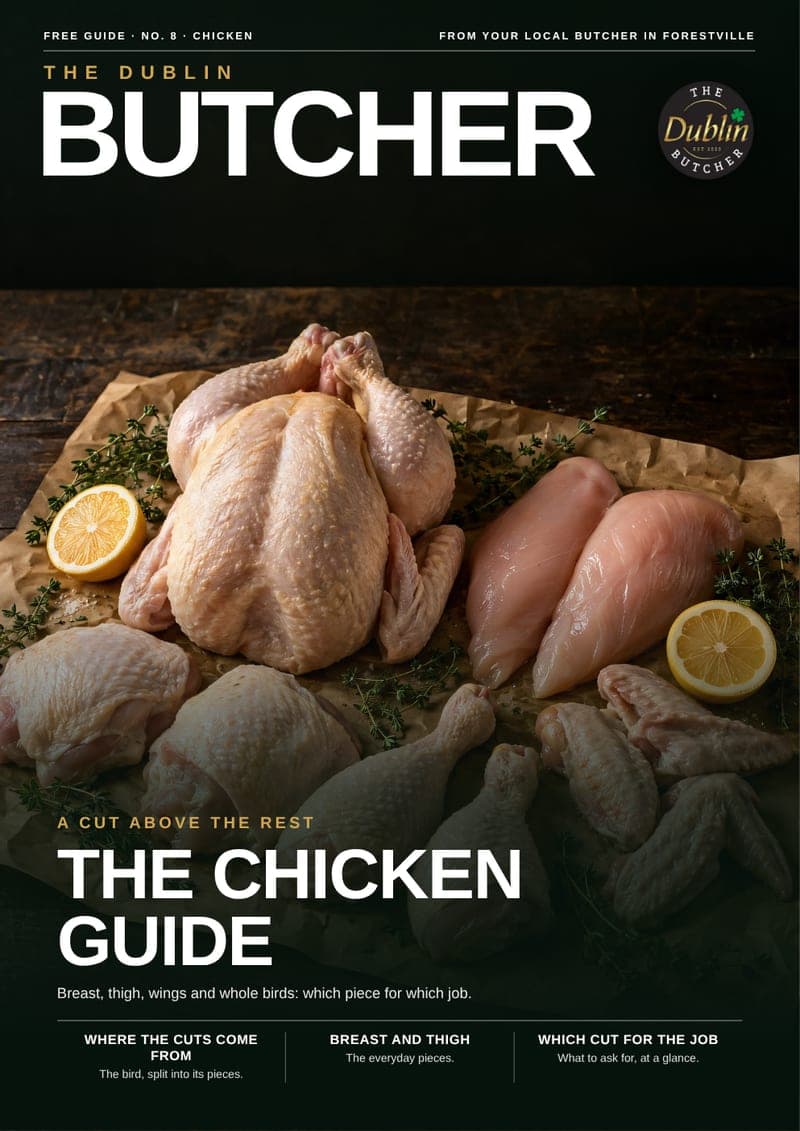 The Chicken GuideBreast, thigh, wings and whole birds: which piece for which job.